
Finding sun shades that fit the BYD Seal 6 EV properly requires selecting options designed specifically for its unique glass dimensions, windshield rake, and sensor housing. Because of Singapore’s intense tropical climate, a loose-fitting shade allows heat to build up rapidly, while a poorly designed one can slip or interfere with the vehicle’s advanced driver assistance systems (ADAS). Selecting the right shade involves evaluating custom-fit versus universal options, checking material properties, and verifying physical compatibility before making a purchase.
For electric vehicle owners, managing cabin temperature is not just about comfort; it also directly impacts driving range. When a car is parked under the sun in open-air carparks or HDB estates, the interior temperature can rise significantly. This thermal load forces the air conditioning system to run at maximum capacity upon startup, drawing substantial power from the high-voltage battery. A properly fitted sun shade acts as the first line of defense, reflecting solar radiation before it penetrates the cabin glass and reducing the energy required to cool the vehicle down.
Understanding the Fitment Challenges of the BYD Seal 6 EV
The BYD Seal 6 EV features a highly aerodynamic profile, which translates to a steeply raked windshield and an expansive glass surface area. While this design enhances efficiency and aesthetics, it presents distinct challenges for standard, off-the-shelf sun shades. A generic shade designed for a traditional sedan often fails to cover the lower corners near the dashboard or the upper edges near the A-pillars, leaving significant gaps that let light and heat pour into the cabin.
Products mentioned in this guide
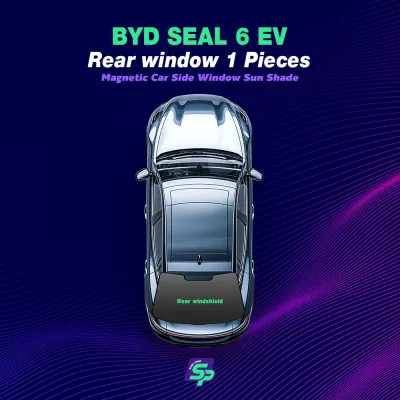
Prices are valid at publication and may change. Please refer to the product page for the latest price.
In Singapore’s climate, even small gaps allow concentrated solar radiation to enter, creating localized hot spots on the dashboard, steering wheel, and seats. This heat transfer bypasses the shade entirely, warming the cabin air and putting extra strain on the interior materials. Over time, prolonged exposure to these hot spots can accelerate the aging of synthetic leather and soft-touch plastics on the dashboard.
Furthermore, the steep angle of the windshield means that gravity constantly pulls downward on any shade that is not structurally supported. The curvature of the glass near the sides prevents flat, rigid shades from sitting flush, leading to frequent slippage. Without a secure mounting method or a frame that matches this curvature, the shade can easily slide down, exposing the upper half of the windshield to direct sunlight.
Another critical area is the large central housing behind the rearview mirror, which contains the cameras and sensors for the vehicle’s advanced driver assistance systems (ADAS). A sun shade without a precise cutout will either press hard against this housing—potentially misaligning the sensitive cameras—or fail to secure properly, leaving a large unshielded area right at the top of the windshield.
Custom-Fit vs. Universal Shades: Making the Right Choice
When shopping on local e-commerce platforms or at automotive accessory shops, drivers generally choose between custom-fit and universal sun shades. Custom-fit shades are laser-measured and manufactured to match the exact perimeter of the BYD Seal 6 EV’s windows. This precise tailoring ensures edge-to-edge coverage, leaving virtually no gaps for sunlight to penetrate, and relies on the vehicle’s existing sun visors or built-in tension to stay securely in place.

Universal or trim-to-fit alternatives are widely available and often carry a lower initial price tag, but they require manual adjustment and rarely align with the complex curves of modern EV glass. These shades typically rely on suction cups or generic wire frames that must be bent or overlapped to fit. Overlapping the material often creates bulky sections that sag, reducing coverage while increasing the likelihood of the shade falling down during the day.
The choice of mechanism also plays a major role in daily usability. Retractable or roller-style shades offer convenience but require permanent or semi-permanent mounting brackets on the A-pillars or door frames. In the BYD Seal 6 EV, the sleek dashboard layout and premium interior trim materials mean that adhesive or screw-mounted brackets can cause cosmetic damage or interfere with airbag deployment zones. Always prioritize non-invasive mounting options to preserve the vehicle’s interior integrity.
Folding accordion-style or twist-to-fold fabric shades are generally safer and more practical. They do not require permanent modification to the cabin and can be easily stowed when not in use. However, folding models must have sufficient structural rigidity to span the wide windshield without bowing downward in the middle, making high-quality spring-steel frames a preferred choice for long-term durability.
Key Features to Look for in Windshield and Side Shades
To effectively combat intense solar radiation, the material composition of the sun shade is paramount. Look for multi-layer construction that features a highly reflective outer layer, such as an aluminum foil or specialized silver reflective coating, to bounce UV rays away from the glass. Beneath this reflective surface, a thermal barrier layer—often made of bubble insulation or dense foam—helps slow down the conduction of heat into the cabin.
The frame design determines how well the shade maintains its shape over years of daily use. Rigid frames, often reinforced with spring steel or fiberglass rods, provide excellent tension that keeps the shade flat against the glass. Flexible frames are easier to fold into a compact size for storage, but they must still possess enough structural integrity to prevent the edges from curling over time under high cabin temperatures.
For the side windows, mounting mechanisms require careful evaluation. Suction cups are a traditional choice, but they tend to lose their grip and fall off when exposed to prolonged heat or when condensation forms on the glass. Additionally, they can leave circular marks that require regular cleaning to maintain clear visibility through the side glass.
Static cling shades offer a cleaner look as they adhere directly to the glass without adhesives or suction cups. However, they must be sized precisely to avoid peeling at the edges when the side windows are rolled down. Magnetic mounts, which cling to the metal frame surrounding the window, are highly convenient for quick installation and removal, but their compatibility depends entirely on the specific construction of the vehicle’s door frames.
How to Verify Fitment Before You Buy
Before purchasing any sun shade, verifying the exact compatibility with the BYD Seal 6 EV is essential to avoid the hassle of returns. Always check the manufacturer’s compatibility database or product listing details to ensure it explicitly mentions the “BYD Seal 6 EV” rather than just “BYD Seal” or generic “BYD sedan” models, as different models in the lineup have distinct glass dimensions and mirror housing shapes.
Analyzing user reviews on online marketplaces can provide valuable real-world insights. Look specifically for feedback from other owners who comment on the edge-to-edge coverage, ease of installation, and whether the shade sags after a few hours in the sun. Pay close attention to any photos uploaded by buyers, as these often reveal how well the shade fits around the central ADAS sensor housing.
If you are considering a semi-custom or high-quality universal option, take manual measurements of your vehicle’s glass. Measure the maximum width at the base of the windshield, the width at the top edge, and the vertical height from the dashboard to the headliner. Compare these dimensions with the product specifications, keeping in mind that a variance of even two to three centimeters can result in noticeable light gaps or prevent the shade from staying wedged in place.
Installation and Storage Tips for a Secure Fit
Proper deployment is key to maximizing the effectiveness of your sun shade and preventing damage to your vehicle’s interior. When installing a front windshield shade, gently slide the bottom edge as far forward as possible where the glass meets the dashboard, taking care not to scrape any light sensors or head-up display projectors. Secure the top of the shade by pulling down the vehicle’s built-in sun visors to press the shade firmly against the glass, and wrap any hook-and-loop fasteners around the rearview mirror stem.
Care must be taken to protect aftermarket window films, which are extremely common in Singapore to meet local solar tinting regulations. If using suction cups or static cling shades on tinted side windows, ensure the glass is clean and free of dust before application. Avoid using shades with strong adhesive backings or rigid metal clips that could scratch or peel the delicate tint film when the shade is removed or when the window is operated.
When it is time to drive, fold the shade carefully according to the manufacturer’s instructions. Forcing a spring-steel frame to fold incorrectly can bend the internal wire permanently, ruining its tension and causing it to sag during future uses. Store the folded shade in its designated sleeve and place it in the door pocket, behind the front seats, or in the boot to keep it protected from heavy items that could crush the reflective layers or damage the frame joints.
Frequently Asked Questions (FAQ)
Will a sun shade interfere with the BYD Seal 6 EV's ADAS sensors?
A properly designed sun shade will not interfere with the BYD Seal 6 EV’s advanced driver assistance systems (ADAS), provided it features a dedicated cutout for the central rearview mirror housing. The cameras and sensors are mounted flush against the windshield glass inside this housing, looking outward.
When installing the shade, ensure that the material does not force its way underneath the plastic housing or apply excessive pressure to the assembly, which could potentially misalign the cameras. Never cover the exterior-facing glass directly in front of the camera lenses with any reflective material, and verify that the shade’s securing straps do not block or scratch the sensor housing.
Are magnetic sun shades safe for the BYD Seal 6 EV's window seals?
Magnetic sun shades are highly convenient, but their safety and compatibility depend on the construction of the BYD Seal 6 EV’s door frames. Many modern electric vehicles utilize aluminum, high-strength plastics, or rubber-molded seals along the upper window frame, which are non-magnetic and will not allow magnetic clips to adhere.
Before purchasing magnetic shades, test the upper door frame with a small household magnet to confirm if there is exposed steel beneath the rubber seal. If the frame is non-magnetic, do not attempt to force magnets behind the rubber seals, as this can stretch or tear the weatherstripping, leading to wind noise or water leaks during heavy rain. Instead, opt for custom-fit shades that use clip-in tension frames or static cling designs that do not rely on magnetic contact.

Community discussion
Share your experience or ask a question. Comments are reviewed before publication.