
Selecting an effective car umbrella sun shade for Singapore’s intense tropical climate requires finding a model that combines a multi-layered, certified UPF-rated reflective canopy with a highly flexible, scratch-protected structural frame. Because vehicles parked in open-air lots across Singapore face relentless solar radiation and high ambient temperatures, a basic single-layer shade is rarely sufficient. To help protect your dashboard from cracking and keep your cabin temperature manageable, you need a shade specifically engineered to block ultraviolet (UV) rays, insulate against infrared (IR) heat, and withstand the region’s high relative humidity.
When shopping for an umbrella-style sun shade—which pops open like a traditional rain umbrella to press flat against the inside of your windshield—you must look beyond generic marketing claims. A suitable choice requires verifying the physical construction of the canopy, checking the safety features of the metal ribs, and ensuring the dimensions match your vehicle’s glass area exactly. This guide provides a systematic approach to evaluating these interior accessories, helping you make an informed purchase that helps protect your vehicle’s cabin and enhances your driving comfort.
Why Singapore's Climate Demands Specific Sun Shade Features
Singapore’s geographical position near the equator means the island experiences high levels of solar radiation throughout the year. When your car is parked outdoors, solar energy penetrates the glass windshield, which acts like a greenhouse, trapping heat inside the cabin. This continuous exposure raises interior temperatures to levels that can degrade dashboard plastics, dry out leather upholstery, and damage sensitive electronic components like infotainment screens and dashcams.
Products mentioned in this guide
![[SG SELLER] Car Sunshade Foldable Umbrella Sunshade Summer Car Cover Car Accessories](https://img.lazcdn.com/g/p/70758b37ae0a06ff94fc13b8818c828a.jpg_400x400q80.jpg_.webp)
Prices are valid at publication and may change. Please refer to the product page for the latest price.
A standard single-layer reflective shade only addresses a portion of this problem. While it may bounce some visible light back through the glass, it often lacks the thermal barrier required to stop infrared heat transfer. Without a dedicated insulating layer, the heat absorbed by the shade itself radiates directly into the cabin air, rendering the protection highly inefficient during prolonged parking sessions.
Furthermore, Singapore’s high relative humidity, which frequently exceeds 80 percent, introduces a unique challenge for interior car accessories. Moisture in the air can settle on the surface of a folded sun shade stored inside a dark glove compartment or door pocket. If the shade is constructed from cheap, non-resistant fabrics or features low-grade metallic coatings, this constant humidity accelerates material breakdown, leading to peeling, flaking, and unpleasant mildew odors.
To combat these localized environmental factors, a car umbrella must be selected based on its ability to resist both thermal energy and moisture-induced degradation. Investing in a shade designed for tropical conditions helps the materials remain intact over years of daily deployment, preserving your vehicle’s resale value and keeping the interior touchpoints cool enough to handle safely.
Key Material and Coating Specifications to Check
When evaluating different car umbrella models on online marketplaces or at local automotive accessory shops, the product specifications on the packaging are your most reliable guide. Look for shades that explicitly detail a multi-layer canopy construction. Many multi-layered models typically feature at least three distinct layers: an outer reflective layer, a middle thermal insulation layer, and an inner protective backing.

The outermost layer is usually coated with titanium silver (TiO2) or a similar highly reflective compound. This coating is engineered to reflect visible light and deflect ultraviolet radiation before it can penetrate deeper into the cabin. When reading product labels, verify whether the manufacturer specifies a certified Ultraviolet Protection Factor (UPF) rating, such as UPF 50+, which is designed to block the vast majority of harmful rays.
Beneath the reflective surface, a high-density polyester or pongee fabric serves as the structural foundation and thermal barrier. This middle layer absorbs and dissipates the heat that manages to pass through the outer coating. A higher fabric density, often measured in thread count or denier, indicates a tighter weave that prevents light leakage and enhances the overall durability of the canopy under intense thermal stress.
The innermost layer, which faces the cabin, should have a smooth, non-abrasive finish. This layer prevents the structural ribs of the umbrella from rubbing directly against the fabric, while also protecting your dashboard from friction scratches during installation and removal. Avoid products that do not disclose their material composition or those that rely solely on vague terms like “heat-resistant” without specifying the actual coating technology or fabric density.
Sizing, Fit, and Structural Safety for Your Vehicle
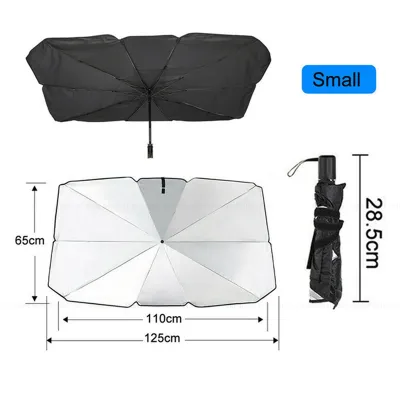
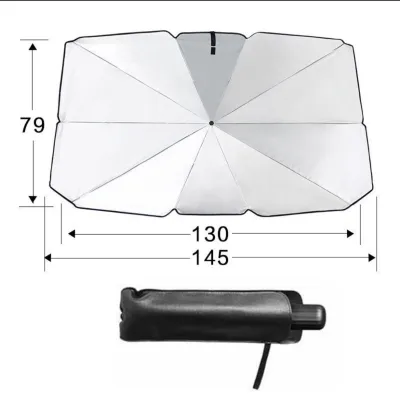
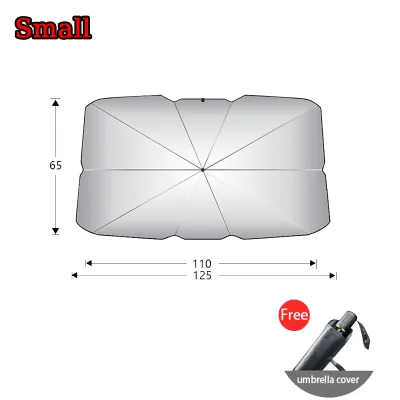
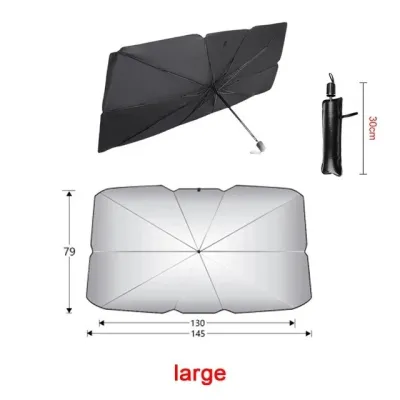
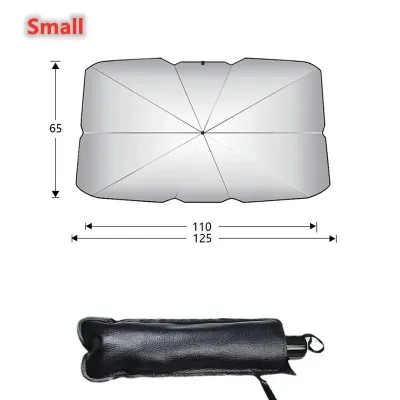
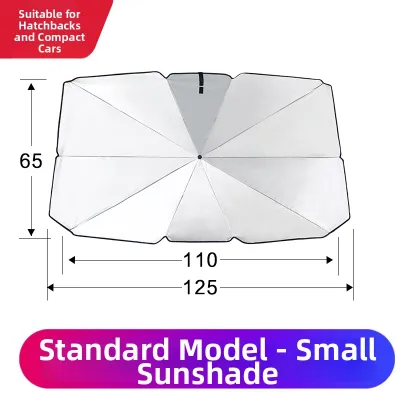
An improperly sized car umbrella can cause significant frustration and potential damage to your vehicle’s interior. If the canopy is too small, gaps around the edges will allow direct sunlight to heat up the dashboard and steering wheel, undermining the purpose of the shade. Conversely, an oversized umbrella will be difficult to deploy, forcing you to bend the frame or press the canopy tightly against the delicate headliner and A-pillars.
To find the correct size, use a physical measuring tape to measure the height and width of your windshield from the inside of the cabin. Note any obstructions, such as a bulky rearview mirror housing, rain sensors, or integrated dashcams. Many modern car umbrellas feature a cut-out design or a hook-and-loop strap at the top of the canopy, allowing the shade to fit snugly around the rearview mirror stem without putting pressure on the glass or the sensor housing.
The structural frame of the umbrella is another critical safety consideration. The ribs, which support the canopy, are typically made of metal or fiberglass. Look for models that feature flexible fiberglass ribs, as they can bend slightly without snapping or losing their shape under tension. Crucially, ensure that the tips of these ribs are capped with soft silicone, rubber, or protective fabric pockets to help prevent them from scratching your dashboard or puncturing the leather trim along the sides of the windshield.
The center pole and handle mechanism must also be evaluated for compatibility with your car’s layout. When fully deployed, the pole extends downward toward the center console. To prevent the handle from pressing against your infotainment screen, gear selector, or physical climate control buttons, look for umbrellas designed with a bendable or flexible shaft. This allows you to angle the handle away from sensitive surfaces, securing the shade firmly in place while reducing the risk of cosmetic or mechanical damage to your dashboard components.
Practical Usage, Storage, and Maintenance in High Humidity
To maximize the lifespan of your car umbrella sun shade in Singapore’s humid climate, proper handling and maintenance are essential. When deploying the shade, open it slowly and carefully inside the cabin. Avoid forcing the mechanism if you encounter resistance; instead, adjust the angle of the shaft to clear the steering wheel and center console before pushing the runner fully upward to lock the canopy in place.
When folding the umbrella, follow the natural creases of the fabric to avoid bending the internal ribs or putting unnecessary tension on the joints. Rough handling can cause the reflective titanium silver coating to rub against itself, leading to premature peeling or cracking. Once folded, secure the canopy with its integrated strap before placing it back into its protective sleeve.
Because Singapore’s humidity can trap moisture inside the vehicle, never store a damp sun shade in a sealed pouch. If you deploy the shade during a humid morning or if condensation forms on the windshield, allow the umbrella to dry completely in an airy space before packing it away. Storing a wet or damp shade in a dark glove box creates an ideal breeding ground for mold, mildew, and bacteria, which can ruin the fabric and create persistent, musty odors inside your car.
Perform routine visual inspections of your car umbrella every few months. Check the metal joints for any signs of rust or corrosion, which can weaken the structure and cause the frame to snap. Inspect the protective tips on the rib ends to ensure they remain securely attached and have not worn through to expose sharp metal. If you notice significant flaking of the reflective coating, bent ribs that prevent a flat fit, or torn fabric, it is time to replace the unit to maintain optimal thermal protection.
Frequently Asked Questions (FAQ)
Can I leave the car umbrella inside the vehicle when parked under direct sunlight?
Yes, the car umbrella is designed to remain deployed inside the vehicle while parked under direct sunlight. However, when storing the folded umbrella, you should avoid leaving it on the dashboard or seats where it is exposed to direct, concentrated solar radiation through the glass. The extreme temperatures generated on these surfaces can exceed the thermal tolerance of the plastic handle, synthetic storage pouch, or adhesive joints, potentially causing them to warp or degrade over time. Always store the folded shade in a shaded area of the cabin, such as under a seat, in a door pocket, or inside the glove compartment.
Do car umbrella sun shades protect against sudden tropical rain showers?
No, car umbrella sun shades are not designed to serve as rain umbrellas. While the canopy fabric may have some water-resistant properties, the overall construction, stitching, and specialized titanium silver coatings are optimized specifically for heat reflection and UV blocking. Using the sun shade outside in heavy rain can saturate the fabric, damage the delicate reflective coating, and cause the metal frame joints to rust prematurely. If the shade does get wet due to windshield condensation or a minor cabin leak, ensure it is fully dried before folding and storing it to help prevent mold growth.

Community discussion
Share your experience or ask a question. Comments are reviewed before publication.