
The best car hooks for a BYD center console depend entirely on your vehicle’s specific interior layout, surface materials, and the weight of the daily essentials you plan to hang. Because modern BYD vehicles feature unique cabin designs—characterized by floating center consoles, rotating touchscreens, and a mix of soft-touch synthetic leather and high-gloss panels—choosing a hook requires matching the accessory’s mounting mechanism to your vehicle’s physical dimensions. Selecting the wrong design can lead to surface damage, annoying cabin rattles, or even safety hazards during sudden braking.
To find a hook that integrates seamlessly into your cabin, you must evaluate how different designs interact with your vehicle’s interior geometry. By focusing on physical compatibility, material safety, and secure installation methods, you can keep your daily essentials organized without compromising the clean aesthetic of your vehicle’s cabin.
Core Selection Criteria for BYD Center Console Hooks
Evaluating accessories for a BYD interior requires a different approach than fitting items into a traditional combustion-engine vehicle. Many electric and hybrid models utilize a floating center console architecture, which leaves an open storage area beneath the main control deck. This design creates distinct panel gaps, exposed edges, and varying surface curvatures that dictate where and how a hook can be mounted.
Products mentioned in this guide
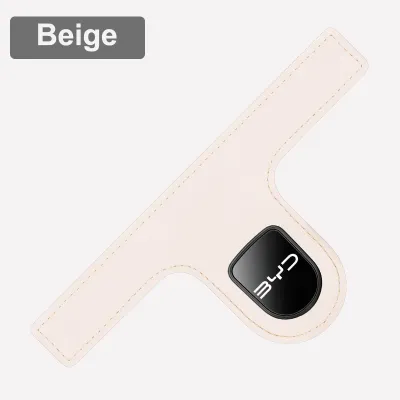
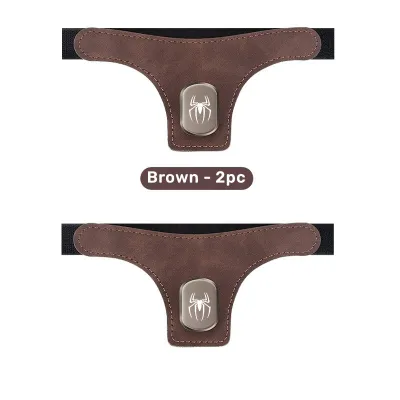
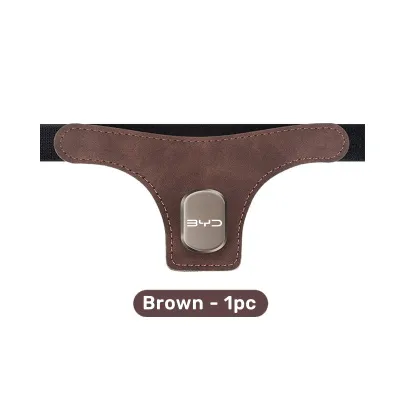
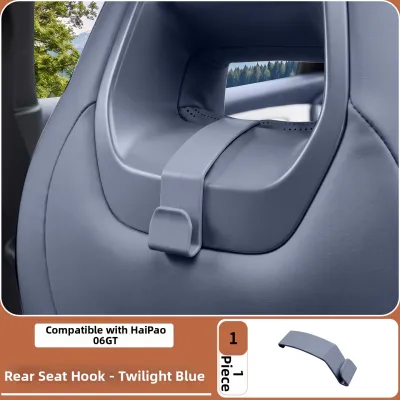
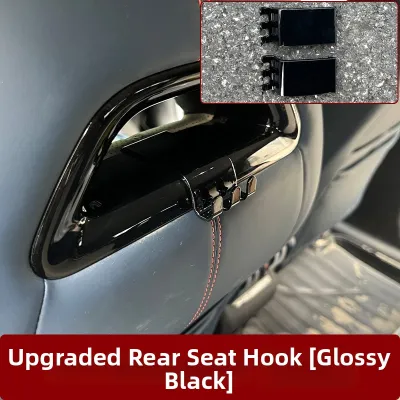
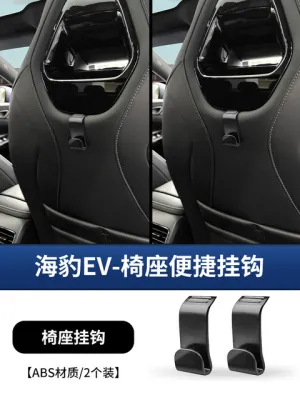
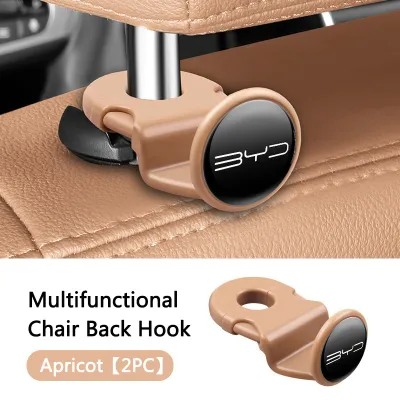
Prices are valid at publication and may change. Please refer to the product page for the latest price.
Interior Layout and Gap Dimensions The first step in selecting a hook is identifying the available mounting points on your console. Floating consoles often feature a distinct seam where the top control panel meets the side trim. If you plan to use a clip-on or gap-insert hook, the accessory must match the exact width of these seams. A hook with a clip that is too wide will wobble and rattle, while one that is too narrow can force the panels apart, potentially damaging the clips holding the console trim together.
Console Materials and Surface Protection BYD cabins frequently employ a combination of materials, including vegan leather wrapping, soft-touch polyurethane, and high-gloss piano black plastics. Each of these surfaces requires specific care. Hard plastic hooks with sharp edges can easily scratch glossy finishes or leave permanent indentations in soft-touch materials. Look for hooks that feature protective silicone padding, rubberized backings, or soft fabric linings on any part that makes direct contact with the vehicle’s interior panels.
Weight Capacity and Daily Essentials Consider what items you intend to hang on a daily basis. Common essentials in Singapore include small umbrellas for sudden tropical downpours, reusable shopping bags, handbags, or small takeaway food containers. The weight of these items determines the physical demands placed on the hook. While a simple adhesive hook might suffice for a lightweight charging cable or a pair of sunglasses, heavier items like a fully packed handbag require a robust mechanical mounting system, such as a hook that clips securely over a structural edge of the console.
Safety Checks and Installation Boundaries
Before purchasing or installing any interior accessory, you must establish strict safety boundaries. The cabin of a modern vehicle is highly engineered, with safety systems and electronic controls integrated into almost every surface. An improperly placed hook can interfere with these systems, posing a serious risk to the driver and passengers.

Airbag Deployment Zones Your vehicle is equipped with multiple airbags designed to deploy instantly in the event of a collision. This includes side curtain airbags, knee airbags, and front passenger airbags. You must consult your vehicle’s owner’s manual to identify the exact deployment zones before installing any accessory. Never mount a hook, or hang an item, in a position where it could obstruct an inflating airbag or be thrown toward an occupant at high speed during deployment.
Control and Visibility Obstructions The center console houses critical driving controls, including the gear selector, start button, parking brake, and climate control switches. Additionally, many BYD models feature a large central touchscreen that rotates between portrait and landscape modes. Any hook installed on the console must be positioned so that neither the hook itself nor the hanging items block your access to these controls. Ensure that hanging bags do not interfere with the rotation path of the touchscreen or block your view of the instrument cluster and side mirrors.
Projectile Hazards and Vehicle Dynamics During sudden braking, sharp turns, or a collision, any unsecured object in the cabin can become a dangerous projectile. A hook that easily slips off its mount or an item that slides off a shallow hook can fly into the footwell, potentially lodging behind the brake pedal. Ensure that any hook you choose has a deep, curved recess or a latching mechanism to keep bags securely in place. Avoid hanging heavy, hard, or sharp objects from the center console where they could swing violently and cause injury or distract the driver.
Electronics and Warranty Considerations Modern center consoles are packed with electronics, including wireless charging pads, USB ports, ambient lighting strips, and wiring harnesses running beneath the trim panels. When installing clip-on or gap-insert hooks, ensure they do not apply pressure to electronic components or pinch any underlying wires. Avoid using heavy-duty liquid adhesives or drilling into any interior panels, as modifying the physical structure of the console can void your vehicle’s interior warranty and damage sensitive electronic systems.
Comparing Hook Designs for Daily Essentials
Different hook designs offer distinct advantages and trade-offs in terms of stability, weight capacity, and ease of installation. Understanding these differences allows you to choose the design that best matches your daily routine and your vehicle’s interior characteristics.
Clip-On and Gap-Insert Hooks These hooks are designed to slip into the natural seams between console panels or hang over the edge of the floating console’s lower storage tray.
- Stability: Highly stable when properly matched to the panel gap, as they rely on the vehicle's physical structure for support.
- Surface Impact: Minimal risk of adhesive residue, but they can scratch glossy plastics if they lack protective rubber or silicone padding.
- Rattling: If the clip does not fit snugly, vehicle vibrations can cause the hook to rattle against the console, which can be highly distracting during quiet electric driving.
Adhesive Hooks Adhesive hooks use double-sided tape to bond directly to a flat surface on the center console.
- Versatility: Can be placed almost anywhere on a flat, hard surface, allowing for highly customized placement.
- Climate Resilience: Singapore's hot and humid tropical climate can cause cabin temperatures to rise significantly when parked outdoors. This heat can soften adhesive backings, leading to premature failure and sticky residue that is difficult to clean.
- Surface Risks: Removing adhesive hooks from soft-touch plastics or synthetic leather can cause the material to stretch, peel, or discolor.
Foldable and Hidden Hooks These hooks feature a hinged design that allows the hook to fold flat against the console when not in use.
- Aesthetics: Excellent for maintaining a clean, uncluttered cabin appearance when you do not have items to hang.
- Mechanical Wear: The moving parts and hinges are subject to wear over time, especially if repeatedly loaded with heavy items.
- Load Limits: Foldable designs often have lower weight capacities than solid, single-piece hooks because the hinge acts as a mechanical weak point under stress.
Verifying Fitment and Compatibility for Your Vehicle
To ensure a successful installation, you should perform a physical verification of your vehicle’s console before purchasing any hook. Relying solely on generic product descriptions can lead to compatibility issues.
Step 1: Measure Console Gaps and Lip Thickness If you are considering a clip-on or gap-insert hook, use a non-marring tool, such as a plastic card, to gently check the depth and width of the panel gaps where you plan to install the hook. Measure the thickness of the console edge or the lip of the lower storage tray. Compare these measurements directly with the specifications provided by the hook manufacturer.
Step 2: Assess Surface Curvature and Texture For adhesive hooks, identify a completely flat, non-porous surface. Curved panels prevent the adhesive tape from making full contact, which drastically reduces its holding power. Textured plastics and synthetic leathers also prevent a secure bond, as the adhesive cannot penetrate the microscopic grooves of the material.
Step 3: Simulate the Hanging Position Before finalizing your choice, place a temporary item (like a small bag) in the intended mounting location. Observe how it hangs. Does it rest against your leg while driving? Does it block the passenger’s footwell? Does it swing and hit the console panels when you simulate a turn? This physical simulation helps you identify potential ergonomic issues before making a purchase.
When to Stop and Consult a Professional If an accessory requires you to force panels apart with significant pressure, remove factory screws, or modify any part of the console’s wiring, stop immediately. Forcing trim panels can break the delicate plastic clips that hold the dashboard together, leading to permanent misalignment and persistent squeaks. In these cases, consult your vehicle manufacturer or a qualified professional installer to find a safer, non-invasive storage solution.
Frequently Asked Questions (FAQ)
Can I use adhesive hooks on a leather-wrapped center console?
Using adhesive hooks on leather or synthetic leather surfaces is not recommended. The adhesives used on automotive accessories are designed to bond tightly to hard, non-porous surfaces. When applied to leather, the adhesive can migrate into the pores of the material. Over time, especially under the intense heat of a parked car in Singapore, the adhesive can chemically react with the leather’s finishes or synthetic coatings.
When you attempt to remove the hook, the strong bond can pull away the top layer of the leather, causing permanent peeling, tearing, or discoloration. Additionally, the weight of hanging items can stretch the flexible leather backing, leaving a permanent sag or wrinkle in the console trim. For leather-wrapped areas, opt for clip-on hooks that attach to hard plastic edges or utilize the lower storage tray area instead.
How do I determine the safe weight limit for hanging bags?
To determine a safe weight limit, you must look at both the hook’s rated capacity and the strength of the vehicle surface it attaches to. While a manufacturer might state that a hook can support up to five kilograms, this rating only applies to the hook itself under static conditions. It does not account for the forces experienced while the vehicle is in motion.
When you drive over speed bumps, take sharp corners, or brake suddenly, the effective weight of a hanging bag increases significantly due to G-forces. A two-kilogram bag can exert much higher temporary forces on the mounting point during a sudden stop. As a safe practice, limit hanging items on the center console to lightweight essentials, such as empty shopping bags, small umbrellas, or light trash bags. For heavier items like laptops or full handbags, utilize the floor of the front passenger footwell or the lower storage compartment of the floating console to prevent damage to your vehicle’s trim panels.

Community discussion
Share your experience or ask a question. Comments are reviewed before publication.