
Maintaining the pristine look and supple feel of your vehicle’s leather seats requires a clear understanding of the distinct roles played by specialized care products. Chemical Guys Leather Cleaner and Chemical Guys Leather Conditioner are formulated to address entirely different stages of the leather preservation process. While the cleaner is designed to lift embedded dirt, body oils, and environmental grime from the surface, the conditioner focuses on replenishing essential moisture and establishing a protective barrier against future wear. Using these products interchangeably or skipping steps can lead to poor results, sticky residues, and premature deterioration of your upholstery.
In tropical climates like Singapore, where high humidity, intense sunlight, and constant cabin air conditioning create a harsh environment for automotive interiors, choosing the right product at the right time is crucial. Leather is a natural material—or a coated synthetic variant—that reacts dynamically to temperature and moisture changes. Understanding the chemical properties, particularly the pH balance of these formulations, allows you to make informed decisions that protect your investment and keep your cabin looking refined.
Understanding the Core Differences: Cleaner vs. Conditioner
To care for your vehicle’s interior effectively, you must first distinguish between the mechanical and chemical functions of cleaning versus conditioning. A leather cleaner is formulated with specialized surfactants designed to penetrate the microscopic pores and grain of the upholstery. These surfactants work by surrounding dirt particles, body oils, sweat, and environmental dust, lifting them away from the surface and suspending them in a liquid solution so they can be safely wiped away. Without this active lifting action, accumulated grime remains trapped on the surface, creating a dull, unhygienic layer that gradually degrades the material.
Products mentioned in this guide
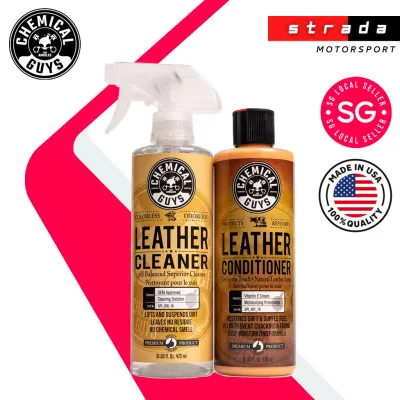
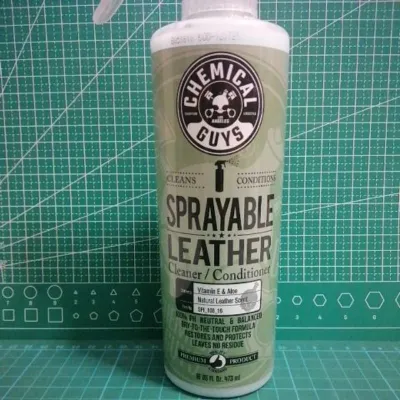
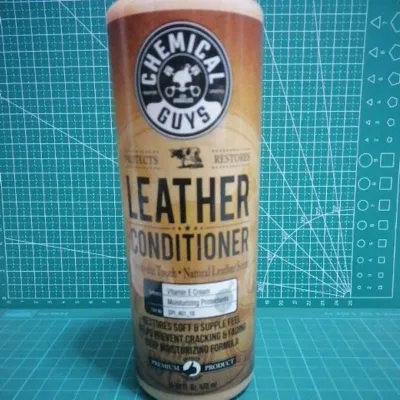
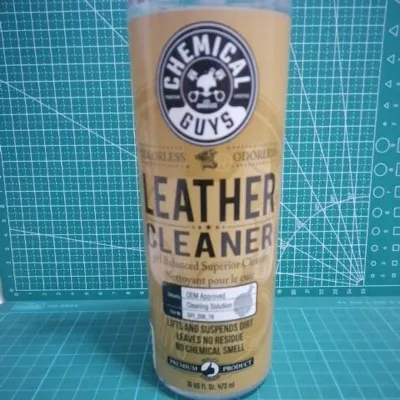
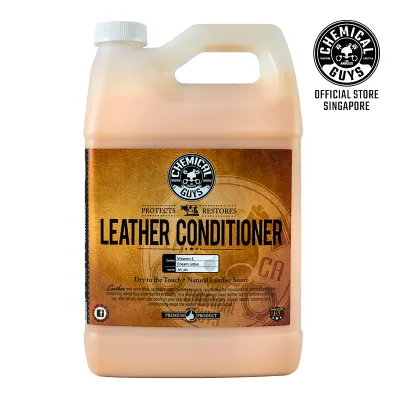
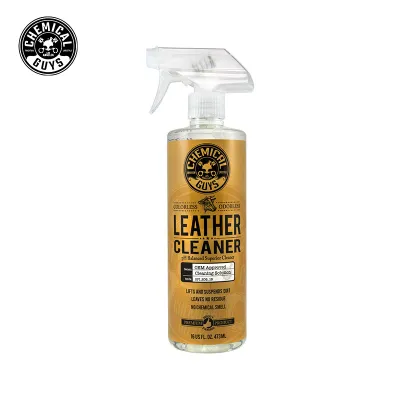
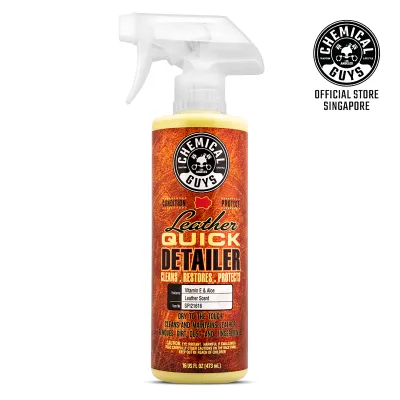
Prices are valid at publication and may change. Please refer to the product page for the latest price.
In contrast, a leather conditioner is not designed to clean. Its primary function is to deliver nourishing agents, such as natural oils and vitamin-infused emulsions, deep into the leather fibers or onto its protective topcoat. This process restores flexibility, prevents the material from drying out, and leaves behind a micro-thin protective barrier. This barrier helps repel liquids, reduces friction from daily entry and exit, and shields the surface from environmental contaminants.
Applying a conditioner directly over dirty leather is one of the most common detailing mistakes. When you spread a conditioning cream or spray over an uncleaned surface, the product mixes with the existing layer of body oils, sweat, and abrasive dust. Instead of absorbing, the conditioner traps these contaminants against the leather, creating a sticky, muddy residue that attracts even more dirt. Over time, the abrasive particles trapped beneath this sticky layer act like sandpaper under the weight of passengers, accelerating surface wear and causing premature cracking.
Therefore, cleaning and conditioning must always be treated as sequential, non-interchangeable steps. A cleaner prepares the canvas by removing everything that does not belong on the leather, while the conditioner seals and protects the clean surface. Attempting to combine these steps with improper products or skipping the cleaning phase entirely compromises both the appearance and the longevity of your vehicle’s interior.
The Role of pH in Leather Care Products
The term “pH-balanced” is frequently highlighted on automotive detailing labels, but understanding what this means is essential for safe application. The pH scale measures how acidic or alkaline a water-based solution is, ranging from 0 (highly acidic) to 14 (highly alkaline), with 7 being neutral. Modern automotive leather is rarely raw; instead, it is typically finished with a thin, protective polyurethane or acrylic clear coat applied at the factory. This topcoat is highly sensitive to chemical exposure, and using products with the wrong pH can permanently damage it.

If a cleaning product is excessively alkaline or acidic, it can chemically attack this protective clear coat. High alkalinity, in particular, can strip away the factory finish, dissolve the underlying dyes, and leave the leather looking patchy, faded, or dry. Conversely, highly acidic solutions can weaken the structural integrity of the leather fibers over time, leading to premature cracking and peeling.
To safely break down stubborn organic contaminants, body oils, and grease, many effective leather cleaners are formulated to be slightly alkaline or strictly pH-neutral. This mild alkalinity helps emulsify oils without being aggressive enough to strip the protective topcoat, provided the product is used according to the manufacturer’s instructions. Once the cleaning process is complete, the surface is ready for a conditioning step.
Conditioners are typically formulated to be neutral or slightly acidic, aligning closely with the natural pH of leather itself, which generally sits between 4.5 and 5.5. This slight acidity helps stabilize the leather fibers and maintain the integrity of the factory finish. Before applying any product to your seats, always check the specific Chemical Guys product label for pH declarations and cross-reference these details with your vehicle manufacturer’s care guidelines to ensure compatibility with your specific upholstery type.
When to Use Leather Cleaner
Recognizing when your leather requires an active chemical cleaning step is key to preventing long-term damage. You should look for clear visual and tactile signals on your seats and touchpoints. One of the most common signs is a shiny, greasy, or slippery appearance on high-contact areas such as the steering wheel, gear shifter, center console, and seat bolsters. Clean, healthy leather should always have a rich, matte finish; a glossy sheen is almost always a sign of accumulated body oils and dirt.
Other obvious indicators include visible stains, dark patches from clothing contact, and denim dye transfer, which is particularly noticeable on light grey, beige, or white leather seats. Routine maintenance like dry dusting or vacuuming with a soft brush attachment is excellent for removing loose debris, but it cannot extract these bonded organic oils. When these visual cues appear, a dedicated liquid leather cleaner is required to break the chemical bonds holding the grime to the surface.
Before applying a leather cleaner across an entire seat, you must perform a spot test in an inconspicuous area. Apply a small amount of the cleaner to a microfiber towel and gently wipe a hidden spot, such as the underside of the headrest or a lower side bolster. Check the towel for any dye transfer from the leather and observe the test area once dry to ensure there is no discoloration or alteration of the texture.
If you observe severe discoloration, peeling coatings, or if your vehicle features specialized aftermarket leather treatments, stop immediately. In these situations, continuing with DIY chemical cleaners can worsen the damage. Instead, consult a professional automotive detailer or your vehicle manufacturer to identify the safest course of action for your specific upholstery.
When to Use Leather Conditioner
Leather conditioner should be applied when the material shows signs of moisture loss or when you need to establish a protective barrier against environmental wear. Tactile cues are often the first indicator that your seats require hydration. If the leather feels stiff, rough, or dry to the touch, or if it produces a dry, squeaky sound when you slide into the seat, the material is losing its natural flexibility. Visually, dehydrated leather may begin to look dull, faded, or show fine, spiderweb-like surface lines that precede deep cracks.
Environmental factors play a massive role in how quickly leather loses its moisture. In Singapore’s tropical climate, vehicles are subjected to intense UV radiation and high ambient heat when parked outdoors. When driving, the constant use of air conditioning strips moisture from the cabin air, creating a dry microclimate that accelerates the evaporation of the leather’s internal moisture. This cycle of extreme heat followed by dry, air-conditioned air causes the leather to expand and contract, making it highly susceptible to drying and cracking if not regularly conditioned.
You must adhere to a strict rule: never apply conditioner to a surface that has not been thoroughly cleaned and allowed to dry completely. If the leather is damp from cleaning, the water trapped in the pores will block the conditioner’s moisturizing agents from penetrating or bonding with the surface, resulting in an uneven, patchy finish and a sticky residue.
When selecting a conditioner, evaluate the product label for specific protective additives, such as UV blockers or inhibitors. If your vehicle is frequently parked in open-air car parks exposed to direct sunlight, prioritizing a conditioner with robust UV protection is essential to shield the topcoat from solar degradation. For vehicles parked primarily in sheltered basement garages, a standard hydrating formula may be sufficient.
Do You Need Both? Building Your Maintenance Routine
Deciding whether to purchase a cleaner, a conditioner, or both depends entirely on the current state of your vehicle’s interior and your long-term maintenance goals. To help you build an effective care routine, consider this condition-based decision framework:
Choose Cleaner if:
- Your seats exhibit a greasy shine, visible dirt, or denim dye transfer.
- You are preparing your vehicle for resale and want to restore the original matte look of the cabin.
- You have recently purchased a used vehicle and need to perform a deep, hygienic decontamination of the interior touchpoints.
Choose Conditioner if:
- Your leather has been thoroughly cleaned recently and simply needs routine hydration to maintain its soft texture.
- You perform light, weekly maintenance washes and want to maintain a protective barrier against daily wear.
- The cabin is regularly exposed to dry, air-conditioned environments but remains free of visible dirt and oils.
Choose Both if:
- You are establishing a comprehensive, long-term maintenance kit for a new or well-maintained vehicle.
- Your seats have been neglected for several months, showing both visible grime and signs of stiffness or dullness.
- You are transitioning between seasonal detailing phases and want to perform a complete reset of the leather's surface.
Before starting any treatment, always verify the condition of your upholstery. If the leather is already heavily cracked, peeling, showing exposed backing material, or if you suspect it has an unusual custom finish, do not apply these retail products. Applying liquid cleaners or conditioners to compromised leather can cause the liquids to soak into the raw backing, leading to swelling, rot, or permanent staining. In these cases, halt the process immediately and consult the vehicle manufacturer or a qualified automotive upholstery specialist.
Frequently Asked Questions (FAQ)
Can I use leather conditioner on dirty seats?
No, you should never apply leather conditioner directly to dirty seats. Doing so traps body oils, sweat, dust, and abrasive dirt particles beneath the conditioning layer, sealing them against the surface. This creates a sticky, dark residue that ruins the appearance of the leather and attracts more grime. Furthermore, when passengers sit on the seats, these trapped abrasive particles are ground into the leather fibers, accelerating physical wear and leading to premature cracking and peeling of the protective topcoat. Always clean the surface thoroughly and let it dry before conditioning.
How often should I clean and condition my car leather?
The ideal frequency for cleaning and conditioning depends on several variables, including passenger usage, climate exposure, and the specific recommendations on your product labels. For a daily commuter vehicle in Singapore’s hot, air-conditioned environment, a light cleaning and conditioning every two to three months is generally recommended to prevent drying and cracking. If the vehicle carries children or pets regularly, or if you notice a greasy shine developing on the steering wheel and bolsters, you may need to clean those high-contact areas monthly while conditioning the entire cabin quarterly. Always monitor the visual and tactile condition of your seats to adjust your schedule.

Community discussion
Share your experience or ask a question. Comments are reviewed before publication.