
Selecting the right drying tool is one of the most critical decisions in your car care routine. While washing removes loose dirt, the drying phase is where most paint marring, swirl marks, and water spots occur. For decades, the traditional leather chamois was the undisputed standard for wiping down vehicles. However, the rise of advanced synthetic microfiber towels has challenged this legacy. Deciding between a chamois and a microfiber towel depends on your vehicle’s paint type, your washing environment, and how much time you want to spend maintaining your detailing gear.
Core Differences Between Chamois and Microfiber Towels
Natural chamois is made from the split hide of sheepskin, tanned with cod oil to give it its unique water-binding properties. This traditional tanning process creates a chemical bond that makes the leather highly hydrophilic, allowing it to pull water off a surface almost instantly. Synthetic chamois, often made from Polyvinyl Alcohol (PVA), mimics this flat, highly absorbent structure. Both types of chamois work by creating a tight seal against the vehicle’s surface, essentially acting like a squeegee to pull water off the panels.
In contrast, microfiber towels are engineered from a synthetic blend of polyester and polyamide, typically in an 80/20 or 70/30 ratio. The polyester component provides the structural strength and scrubbing power, while the polyamide component is highly absorbent and soft. The fibers are split during manufacturing to create millions of microscopic hooks and channels. Instead of a flat, continuous surface, microfiber features a deep, looped, or twisted pile that physically lifts and traps moisture within the fabric structure.
Products mentioned in this guide
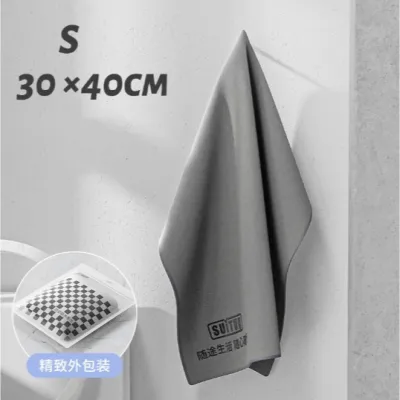
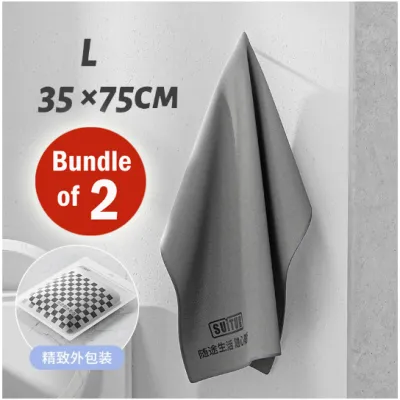
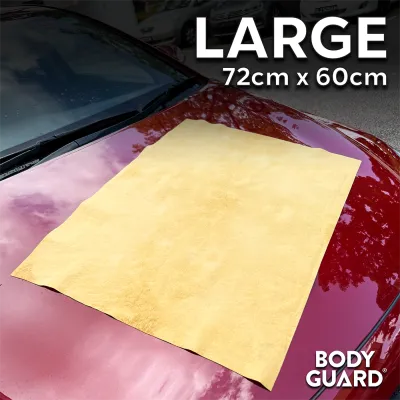
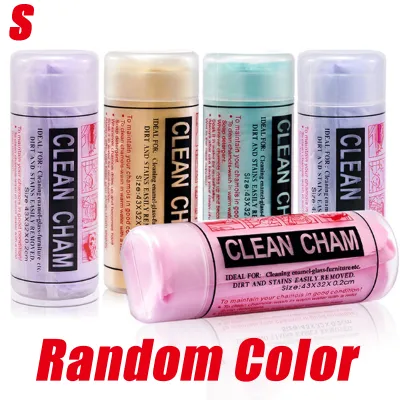
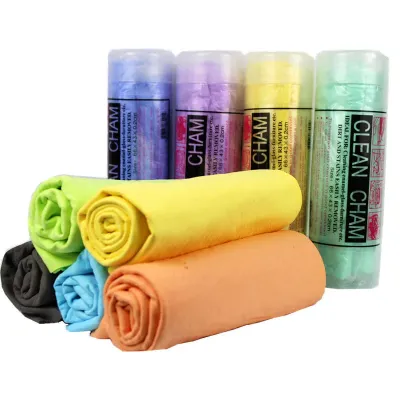
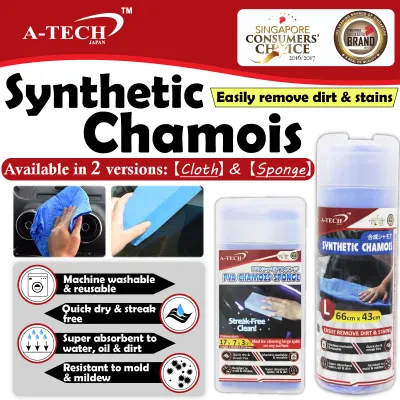
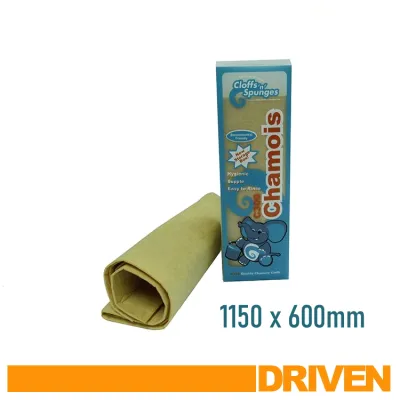
Prices are valid at publication and may change. Please refer to the product page for the latest price.
These structural differences dictate how each material behaves when wet and dry. A dry chamois is stiff, rigid, and completely unusable until it is thoroughly soaked and wrung out to a damp state. Microfiber remains soft, plush, and flexible whether it is bone dry or fully saturated, allowing for immediate use right out of the storage bin.
Drying Performance and Paint Safety
When it comes to water absorption, both materials are highly capable, but they handle moisture differently. A high-quality microfiber drying towel, especially one with a high grams per square meter (GSM) rating of 800 to 1200, can hold several times its weight in water. This high capacity often allows you to dry an entire medium-sized vehicle without wringing the towel out once. Microfiber towels designed specifically for drying often feature a waffle-weave or twisted-loop pattern, which maximizes surface area and channels water away from the paint. A chamois also holds a significant volume of water, but its flat structure means it reaches saturation quickly, requiring frequent wringing throughout the drying process.

Paint safety is where the two materials diverge most significantly. Modern vehicles feature a thin clear coat over the base paint, which is highly susceptible to micro-scratching and swirl marks. If a tiny speck of dirt or grit remains on the paint after washing, a flat chamois will trap that particle directly between the leather and the clear coat. As you drag the chamois across the panel, the flat surface creates a vacuum-like seal, pressing the trapped grit into the paint and scraping it along the surface, creating fine scratches.
Microfiber towels mitigate this risk through their deep pile. When a microfiber towel encounters a stray dirt particle, the split fibers lift the debris away from the paint surface and draw it deep into the fabric’s nap. This keeps the abrasive particles isolated from the clear coat, significantly reducing the risk of wash-induced swirl marks.
Streaking and water spotting are also influenced by your choice of cloth. In warm, humid climates, water evaporates rapidly on hot body panels, leaving behind mineral deposits. A damp chamois excels at leaving a completely dry, streak-free finish on flat glass and metal panels when used with a slow, pulling motion. However, if the chamois is too dry, it can grab and skip across the paint, leaving behind rubbery streaks. Microfiber towels are much more forgiving, absorbing residual moisture quickly and leaving a clean finish, though low-quality microfibers may shed tiny lint fibers on glass surfaces.
Maintenance, Durability, and Storage
Maintaining your drying tools is essential to preserve their performance and protect your vehicle’s finish. Microfiber towels are relatively easy to care for but require strict adherence to laundering rules. They should be machine washed using a dedicated microfiber restorer or a mild liquid detergent free of perfumes, dyes, and fabric softeners. Fabric softeners coat the synthetic fibers, clogging the microscopic channels and drastically reducing absorbency. You must also avoid washing microfiber towels with cotton items, as the microfiber will attract and trap cotton lint, rendering it abrasive. Always dry them on a low-heat cycle or air-dry them, as high heat can melt the polyester tips, turning the soft fibers into hard, scratchy plastic.
Natural chamois requires a much more delicate, hands-on maintenance routine. It must never be machine washed or exposed to harsh household detergents, which strip the natural cod oil from the leather, leaving it brittle and useless. After each use, you must rinse the chamois thoroughly in lukewarm water with a mild, pH-neutral soap, gently squeeze out the excess water without twisting or wringing too harshly, and hang it to air-dry in a shaded, well-ventilated area away from direct sunlight.
Storage conditions are equally critical. A natural chamois must dry completely to prevent mold and rot, but it will harden into a stiff sheet that must be rehydrated before the next use. If stored damp in a non-ventilated area, it will suffer from dry rot and tear easily. Synthetic PVA chamois, on the other hand, is designed to be stored damp inside its plastic container to keep it pliable. However, storing a damp cloth in a sealed tube in warm, humid environments can quickly lead to mildew and unpleasant odors if the cloth is not sanitized regularly. Microfiber towels must be stored in a clean, dust-free container, such as a sealed plastic bin, because their static charge naturally attracts airborne dust and lint, which can scratch your paint during the next dry.
Recognizing when to replace your drying tool is vital for paint safety. A microfiber towel has reached the end of its life when the fibers become matted, stiff, or begin to lint excessively, even after a proper wash. A natural chamois should be retired if it begins to shed yellow fibers, loses its soft texture when damp, tears easily, or develops a persistent sour odor that indicates bacterial growth.
Cost and Value Evaluation
The initial investment and long-term value of these tools vary. In the local market, a high-quality natural chamois typically ranges from S$20 to S$50, depending on the size and grade of the leather. Synthetic PVA chamois options are more budget-friendly, generally costing between S$10 and S$25. Professional-grade microfiber drying towels, particularly large-format twisted-loop towels, are priced from S$15 to S$40.
While a natural chamois represents a higher upfront cost and demands meticulous care, it can last for several years if maintained perfectly. However, because it is so easy to ruin a natural chamois with improper washing or storage, many casual car washers find that microfiber towels offer a much better return on investment. Microfiber towels are highly durable, often surviving hundreds of machine wash cycles without losing their soft, absorbent qualities.
For dedicated detailing enthusiasts who prioritize paint correction and maintaining a flawless clear coat, the safety profile of microfiber makes it the clear value winner. Casual washers who prefer a traditional, tactile drying method and have a dedicated, clean storage setup may still find value in the classic chamois, but they must accept the higher risk of micro-scratching.
Decision Framework: Which Drying Cloth Fits Your Routine?
To choose the right drying cloth for your routine, consider your vehicle’s paint condition, your washing environment, and your willingness to maintain the gear.
Choose a Chamois if: You are working on classic vehicles with single-stage paint, prefer a traditional “pulling” drying technique, have a clean, dust-free environment to dry the cloth, and do not mind hand-washing your detailing tools after every use.
Choose a Microfiber Towel if: You drive a modern vehicle with a delicate clear coat, want to minimize the risk of swirl marks, prefer the convenience of machine washing, and need to dry large vehicles quickly without stopping to wring out the cloth.
When Neither Fits: It is important to note that neither tool will protect your paint if your washing technique is flawed. If you do not perform a thorough pre-wash to remove heavy road grime, or if you do not use a two-bucket wash method with grit guards, abrasive particles will remain on the paint. Dragging any drying cloth over a dirty surface will cause scratches. Additionally, always verify if your vehicle has delicate aftermarket ceramic coatings, matte vinyl wraps, or paint protection films (PPF). These surfaces often have specific manufacturer care instructions that recommend using only ultra-soft, high-GSM microfiber towels paired with a dedicated drying aid to minimize friction.
Frequently Asked Questions (FAQ)
Can I use a standard household bath towel to dry my car?
Standard household bath towels are made of cotton, which features looped fibers designed to absorb water from skin, but they are far too abrasive for automotive clear coats. Cotton towels lack the split-fiber technology of microfiber, meaning they cannot trap stray dirt particles safely. Instead, they press dirt against the paint and drag it along, leading to severe swirl marks and lint shedding.
How do I properly prepare a new chamois before its first use?
A new natural chamois contains factory stiffeners and residual tanning oils that must be removed before it can absorb water effectively. To prepare it, submerge the chamois in a bucket of lukewarm water mixed with a small amount of mild, pH-neutral soap. Gently work the soap through the leather, rinse it thoroughly in clean water, and wring it out. Repeat this process until the rinse water runs completely clear.
Why is my microfiber towel leaving streaks on the paint?
If your microfiber towel is leaving streaks, it is likely saturated with water, clogged with residual wax or soap from previous washes, or being used on a surface with heavy mineral buildup. To resolve this, ensure you are washing your towels with a residue-free detergent and avoiding fabric softeners. Using a dedicated spray detailer or drying aid during the drying process can also provide lubrication and help eliminate streaks.

Community discussion
Share your experience or ask a question. Comments are reviewed before publication.