
When deciding between a traditional chamois towel and a microfiber drying towel, there is no single universal winner for paint safety. The risk of scratching or leaving water spots depends heavily on the material’s physical condition, weave structure, and how well it is maintained. Both options can safely dry a vehicle if used correctly, but they require different handling techniques. A clean, high-quality microfiber towel generally offers a higher margin of safety for modern clear coats because its split fibers trap residual dirt away from the paint, whereas a traditional chamois towel requires meticulous lubrication and a completely contaminant-free surface to prevent micro-marring.
In humid climates where vehicles are frequently exposed to fine road grime, dust, and sudden rain showers, selecting the right drying tool is critical to preventing swirl marks. Whether you wash your car at home or in a multi-storey carpark, understanding how these materials interact with your vehicle’s clear coat allows you to make an informed decision. By evaluating their physical structures, maintenance demands, and performance characteristics, you can protect your automotive investment and maintain a mirror-like finish.
Understanding the Core Differences in Material Structure
To choose the right drying tool, you must first understand what these materials are made of. Traditional natural chamois is a porous leather made from sheepskin or goatskin, tanned using fish oils to give it its characteristic softness and high water absorption. Synthetic chamois, often made from polyvinyl alcohol (PVA) or similar polymers, mimics this structure but offers greater resistance to chemicals and mold. Both types of chamois function like a squeegee, creating a tight seal against the paint surface to pull water away.
Products mentioned in this guide
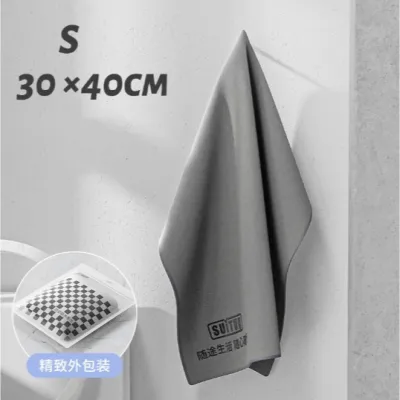
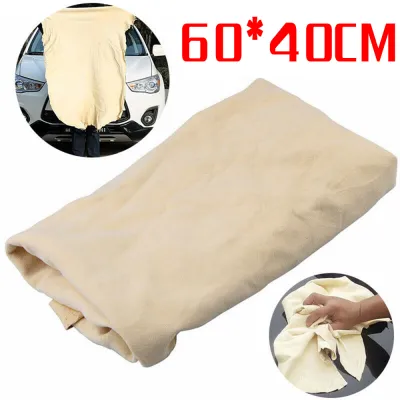
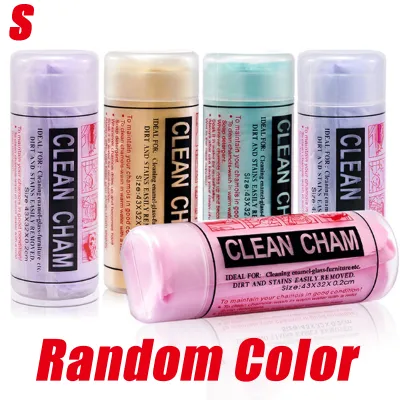
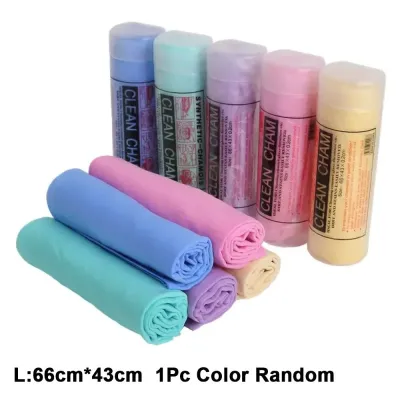
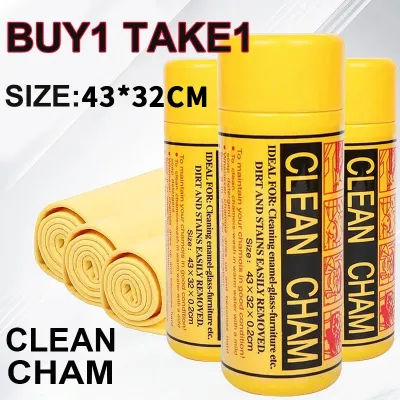
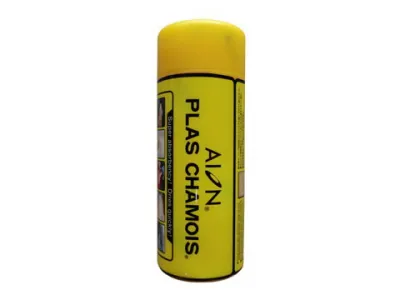
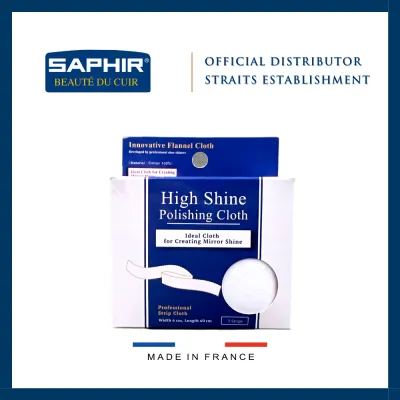
Prices are valid at publication and may change. Please refer to the product page for the latest price.
In contrast, microfiber drying towels are synthetic blends of polyester and polyamide, typically woven in a 70/30 or 80/20 ratio. The manufacturing process splits these fibers, creating millions of tiny hooks and channels that actively trap water and microscopic debris. When shopping, check the product label for the specific blend ratio, as a higher polyamide content generally indicates better water absorption and softness.
The edge construction of the towel is another critical structural detail to inspect. High-quality microfiber towels often feature silk-banded or edgeless designs to prevent the stitching from scratching the paint. Chamois towels, being single sheets of leather or polymer, do not have stitched edges but can develop hardened, sharp borders if they dry out completely or are cut unevenly.
These structural differences dictate how each material handles surface contaminants. Because a chamois has a flat, non-porous surface, any dirt particle left on the paint after washing will get trapped between the flat leather and the clear coat, dragging along the surface as you wipe. Microfiber’s deep, looped pile provides a physical space for these particles to sink into, keeping them away from direct contact with the paint.
Evaluating Paint Safety and Scratch Risks
Before touching any drying tool to your vehicle’s paint, you must perform a thorough visual and tactile inspection. Run your fingers along the edges and surface of the towel to check for hardened spots, matted fibers, or embedded debris. For a chamois, feel for any stiff, cardboard-like areas that indicate the leather has dried out or lost its natural oils. For microfiber, look for tiny twigs, leaves, or dried polish residue that may have become trapped in the loops during storage.

Friction is the primary cause of swirl marks and micro-marring during the drying process. A dry or semi-dry chamois creates high surface tension and friction when dragged across dry paint, which can easily scratch delicate clear coats. To use a chamois safely, it must be fully saturated with clean water and wrung out until damp before it ever touches the vehicle. This moisture acts as a crucial lubricant between the leather and the paint.
Microfiber towels, particularly those with a high pile or twist-loop design, can safely absorb water even when starting dry because the soft fibers glide over the surface with minimal friction. However, dragging a completely saturated, heavy microfiber towel across the paint can still apply unnecessary downward pressure. Always glide the towel gently across the surface rather than pressing down or scrubbing.
Following the manufacturer’s care instructions is non-negotiable for maintaining the paint-safe properties of either material. If a towel begins to feel abrasive, stiff, or leaves visible marring on a test section of your paint, stop using it immediately. Consult professional detailing guidelines or the manufacturer’s documentation to determine if the towel can be restored through proper washing or if it must be retired.
Comparing Absorbency and Drying Efficiency
When evaluating microfiber drying towels, look at the manufacturer’s specifications for GSM (grams per square meter) and pile height. A higher GSM, typically between 400 and 1200 for drying towels, indicates a denser, heavier fabric that can hold more water. Twist-loop microfiber weaves are particularly efficient, as the twisted fibers increase the surface area available for water absorption without adding excessive bulk.
The physical effort required during a drying session is a major differentiator between these two materials. A chamois towel has a limited water capacity and must be wrung out frequently. Wringing out a natural or synthetic chamois requires significant hand strength, but the material releases water easily, allowing you to continue drying indefinitely.
Microfiber towels can hold several times their weight in water, often allowing you to dry an entire mid-sized sedan without wringing the towel out once. However, once a thick microfiber towel becomes fully saturated, it becomes heavy and difficult to wring out by hand, often requiring a washing machine spin cycle or a second dry towel to finish the job.
Observe how the material behaves on the paint to gauge its efficiency. If you notice water streaking, or if the towel is simply pushing water around rather than absorbing it, the material has reached its saturation limit or is contaminated. Requiring multiple passes over the same area increases the risk of scratching, so you should switch to a fresh, dry towel as soon as efficiency drops.
Maintenance, Cleaning, and Longevity Requirements
Maintaining microfiber towels requires strict adherence to specific washing protocols to preserve their delicate synthetic fibers. Always wash microfiber separately from other household laundry, especially cotton towels, to prevent cotton lint from clogging the microfiber loops. Use a dedicated microfiber wash detergent or a mild liquid detergent without any added fabric softeners, bleaches, or scents, as these additives coat the fibers and ruin their absorbency.
Never dry microfiber towels on high heat, as the synthetic polyester and polyamide fibers can melt, turning the soft tips into hard, scratchy plastic. Air-dry them in a clean, dust-free environment or tumble dry on a no-heat or low-heat setting.
Chamois towels require completely different storage and maintenance conditions to prevent mold, mildew, or permanent stiffening. After use, rinse a natural chamois thoroughly in clean, lukewarm water to remove any dirt or soap residue. Gently squeeze out the excess water—never wring it harshly, as this can tear the wet leather—and hang it to air-dry flat, away from direct sunlight or intense heat sources.
Before storing any drying tool, perform a final inspection to ensure it is completely clean and free of embedded grit. Store your dry microfiber towels in clean, sealed plastic bins to protect them from airborne dust in your garage or home. A synthetic PVA chamois is often stored slightly damp inside its original plastic tube to keep it pliable, but you must ensure it is clean to prevent mold growth.
Decision Framework: Which Towel Fits Your Detailing Routine?
Choosing the right drying tool depends on your washing environment, maintenance habits, and personal preferences. You should choose a microfiber drying towel if you prefer high-capacity water absorption, want the convenience of machine washing, and want a plush texture that lifts water with minimal physical pressure. Microfiber is generally more forgiving for beginners and offers a safer buffer against accidental scratches.
You should choose a chamois towel if you prefer a traditional, squeegee-like wiping action, have a clean, dust-free area to flat air-dry the leather, and are diligent about keeping the material consistently damp during use. A chamois can last for years if you are committed to the hands-on maintenance it demands.
Always verify the condition of your existing towels before they touch your vehicle’s paint. Inspect the edges, feel the texture, and check for any trapped debris. If you are unsure about the cleanliness or softness of a towel, test it on an inconspicuous area first.
Neither tool will protect your paint if it is heavily soiled, improperly washed, or shows signs of structural degradation. Using a dirty or damaged towel of either material will inevitably lead to swirl marks and clear coat damage, making regular inspection and replacement essential.
Frequently Asked Questions (FAQ)
Can I use a regular household microfiber cloth to dry my car?
You should avoid using standard household microfiber cloths to dry your car’s paint. Household cloths typically have a lower GSM, shorter pile height, and rough polyester stitched edges that can easily scratch delicate automotive clear coats. They are also more likely to have trapped residues from household cleaning chemicals or fabric softeners, which can strip your car’s wax or leave unsightly streaks on the paint. Always look for automotive-specific microfiber towels with silk-banded or edgeless designs.
How do I know when it is time to replace my drying towel?
It is time to replace your drying towel when you observe physical signs of degradation or a noticeable drop in performance. For microfiber, look for flattened piles, frayed edges, or a rough texture that does not soften after washing. For a chamois, replace it if it remains stiff and cardboard-like even after proper wetting, or if it begins to shed fibers and tear. If a towel starts pushing water around instead of absorbing it, or if it fails your tactile inspection, retire it to less sensitive tasks like cleaning wheels, engine bays, or interior plastics.

Community discussion
Share your experience or ask a question. Comments are reviewed before publication.