
Parking your vehicle under the relentless Singapore sun can quickly turn the cabin into an oven, with interior temperatures soaring far above the ambient outdoor air. To combat this intense heat, choosing the right car window sun shade is one of the most effective, low-cost steps you can take. The ideal shade does more than just block light; it actively rejects thermal radiation, protects your interior materials from UV degradation, and keeps touchpoints like the steering wheel and leather seats at a manageable temperature. By understanding the differences in materials, fitment, and design, you can select a shade that fits your daily routine and provides lasting relief from the tropical heat.
Understanding How Car Sun Shades Block Heat and UV Rays
To choose an effective sun shade, it helps to understand how solar radiation interacts with your vehicle’s glass. Sunlight consists of visible light, infrared (IR) radiation, and ultraviolet (UV) rays. Infrared radiation is the primary source of heat buildup inside a parked car. When these rays pass through your windows, they are absorbed by the dark surfaces of your dashboard, steering wheel, and seats, which then radiate that heat back into the cabin air, creating a greenhouse effect.
Reflective materials and absorptive materials handle this solar energy in fundamentally different ways. Reflective shades, typically constructed with aluminum foil or silver-coated polyester, are designed to bounce solar radiation back out through the glass before it can be converted into heat. This is the most efficient method for front windshields. In contrast, absorptive materials, such as dark mesh or fabric shades, absorb the solar energy. While they successfully block glare and visible light, the heat remains trapped within the material itself and eventually radiates into the cabin, making them less effective for primary heat rejection.
Products mentioned in this guide
Prices are valid at publication and may change. Please refer to the product page for the latest price.
Beyond heat control, UV protection is a critical factor for preserving your vehicle’s interior. UV-A and UV-B rays penetrate standard automotive glass easily, gradually breaking down the chemical bonds in plastics, vinyl, and leather. This degradation leads to unsightly fading, cracking, and dashboard warping over time. High-quality sun shades feature specialized UV-blocking layers that protect these sensitive surfaces and help prevent the release of volatile organic compounds (VOCs), which often cause that distinct, unpleasant “hot car smell” after hours in the sun.
However, even the most advanced material will fail to perform if it does not fit your window properly. A tight, edge-to-edge fit is essential for maximizing heat rejection. Any gaps around the perimeter of the shade allow direct sunlight to hit the dashboard, creating localized hot spots. Furthermore, a loose fit allows a pocket of air to form between the shade and the glass. This air heats up rapidly and circulates into the rest of the cabin via convection, undermining the shade’s reflective properties.
Comparing Common Types of Car Window Sun Shades
Selecting the right sun shade format depends heavily on your vehicle type, window shape, and daily usage habits. The front windshield requires the most robust protection, while side and rear windows benefit from more flexible, semi-permanent solutions.

Accordion-fold windshield shades are a classic and highly durable option. Typically constructed from heavy-duty bubble-wrap material sandwiched between double-sided reflective foil, these shades offer excellent structural rigidity. They do not sag or droop, even when exposed to intense midday heat. However, their rigidity makes them bulky to store. Folding them into a long, stiff panel can be awkward in a compact cabin, often requiring you to store them in the boot or along the passenger footwell. They also rely on your vehicle’s sun visors to hold them securely against the glass.
Umbrella-style windshield shades have gained popularity as a highly convenient alternative. These shades deploy exactly like a standard rain umbrella, using a central shaft and flexible metal ribs to push a reflective fabric canopy tight against the windshield. They fold down into a compact pouch that fits easily into a door pocket or glove compartment. However, before purchasing, you must verify the clearance of the handle and shaft. In some vehicle models, the rigid handle can press firmly against the infotainment screen or dashboard buttons, risking physical damage or scratches. Look for designs featuring bendable or adjustable shafts to mitigate this risk.
Side window sunshades come in several distinct formats, each offering different trade-offs:
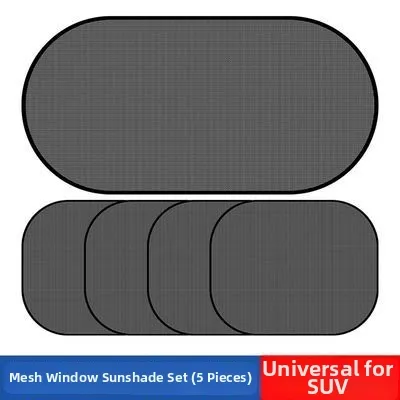
Mesh sleeves are made of elastic fabric that slips over the entire door frame like a sock. This unique design allows you to roll down the window to let fresh air in while still blocking bugs and direct sunlight. However, they are not suitable for high-speed driving due to increased wind noise and aerodynamic drag. Additionally, they can absorb moisture during sudden tropical downpours, requiring you to remove and dry them to prevent mold growth.
Static cling films are thin, dark sheets that adhere directly to the glass using static electricity. They provide a clean, integrated look without the need for suction cups or bulky frames. However, they can peel, bubble, or crease if the window is rolled down frequently, and they may not cover the entire glass area of uniquely shaped windows.
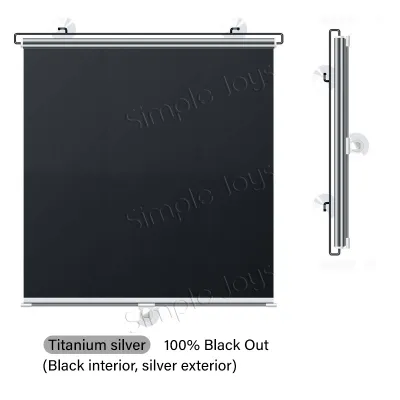
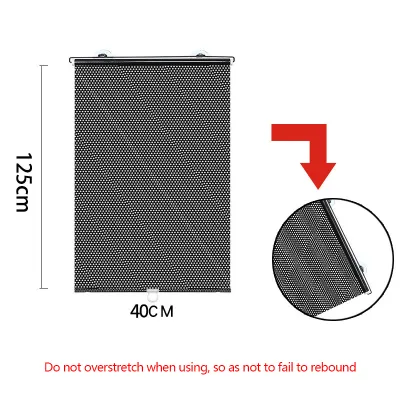
Roller blinds mount to the window glass or door trim using suction cups or clips, allowing you to pull the shade down and retract it with the press of a button. While highly convenient for passengers, they rarely match the exact contour of your window, leaving significant gaps where heat and glare can penetrate.
For a more seamless look, custom-fit magnetic or tension shades are an excellent investment. These are laser-measured to fit the exact frame of specific vehicle models. Magnetic shades snap securely onto the metal door frame, while tension shades wedge tightly into the window trim. They offer maximum coverage, clean aesthetics, and do not interfere with window operation. However, they are vehicle-specific, meaning you cannot transfer them to a different car model, and they represent a higher initial investment than universal options.
Essential Sizing and Material Checks Before Purchase
To ensure your sun shade performs effectively without causing damage to your vehicle’s interior, you should perform several practical checks before making a purchase.
First, measure your windshield and side windows accurately rather than relying on generic sizing charts. For the front windshield, measure the maximum height from the base of the dashboard where the glass meets the cowl, up to the top edge of the glass near the headliner. Next, measure the width from the left pillar to the right pillar. Pay close attention to the area around the rearview mirror. Many modern vehicles feature large sensor pods or dashcams mounted behind the mirror. A compatible sun shade must have a deep cutout or a flexible hook-and-loop strap to secure around the mirror stem without putting pressure on these sensitive electronics.
Next, evaluate the material construction of the shade. A high-quality reflective shade should feature a multi-layer design. Look for an outer layer of high-density reflective material, an insulating middle layer (such as closed-cell foam or polyethylene bubble wrap) to block thermal conduction, and a soft, non-abrasive inner backing. Examine the edge binding carefully; double-stitched fabric borders are highly desirable, as they prevent the reflective layers from delaminating or fraying under constant exposure to high heat and humidity.
Scratch prevention is another critical consideration. The internal wire frames of twist-to-fold shades and the metal ribs of umbrella shades must be completely covered or capped. Exposed metal or hard plastic edges can easily scratch leather steering wheels, soft-touch dashboard plastics, or aftermarket window films. When evaluating a shade, feel the edges and joints to ensure they are well-padded and smooth.
Finally, assess the storage footprint of the shade. Consider how much space you are willing to dedicate to storage when driving with passengers. If you have a compact car, a large accordion shade may clutter the cabin. A spring-wire twist-to-fold shade or an umbrella-style shade that compresses into a small storage pouch is often a more practical choice for daily use, as it can be tucked away under a seat or inside a door pocket.
Safety Boundaries and Installation Guidelines
Using car sun shades correctly is not just about heat protection; it is also a matter of safety and compliance with local vehicle regulations.
Never install or use front windshield or front-side window sun shades while the vehicle is in motion. In Singapore, driver visibility is strictly regulated, and obstructing your line of sight poses an immediate safety hazard. When parking, ensure the shade does not cover or interfere with critical dashboard sensors, such as automatic rain sensors, light sensors, or the lenses of your front dashcam. Excessive heat buildup behind a tightly fitted shade can sometimes soften the adhesive on dashcam mounts, causing them to fall off the windshield.
For side window shades, ensure they do not obstruct the deployment zones of side-curtain airbags, which are typically housed along the roofline and side pillars. If you use clip-on or magnetic shades, verify that they are mounted securely and do not interfere with the mechanical operation of the window glass or damage the rubber weatherstripping.
If your vehicle is equipped with aftermarket window tinting—a common modification in Singapore to reduce solar heat gain—you must exercise extra caution. Suction cups create localized vacuum pressure that, combined with high cabin temperatures, can pull the solar film away from the glass, leading to permanent bubbling, peeling, or tearing. Static cling shades can also occasionally bond too aggressively to aftermarket films. For tinted windows, tension-fit or magnetic shades that mount to the rubber trim or metal door frame are a much safer alternative, as they avoid direct contact with the film.
If you are considering complex, semi-permanent retractable systems or motorized shades that integrate directly into your door panels, stop and consult your vehicle’s manual. Improper installation can damage internal wiring, interfere with window regulators, or void your vehicle’s warranty. In these cases, seeking the assistance of a qualified automotive professional is highly recommended to ensure a safe and clean installation.
Frequently Asked Questions (FAQ)
Do I need sun shades for both the front windshield and side windows?
The front windshield is the largest glass surface on your vehicle and is angled in a way that invites the most direct solar radiation, making it the primary source of cabin heat. Protecting the windshield should always be your first priority. However, if you frequently park in open-air lots where the car’s orientation relative to the sun changes throughout the day, side and rear window shades become highly beneficial. They prevent the sun from beating directly onto child seats, leather upholstery, and rear passengers, ensuring a much faster cool-down time when you turn on the air conditioning.
Can leaving a sun shade inside the car damage the dashboard or window tint?
If a reflective sun shade is not installed correctly—for instance, if the reflective side is facing inward or if it is loosely draped over the dashboard—it can trap and concentrate heat in localized areas. This concentrated heat can potentially damage sensitive electronics, warp plastic trim, or degrade the adhesive on dashcam mounts. Always ensure the reflective (silver) side faces outward toward the sun, and that the shade is pulled taut against the glass. Additionally, avoid using suction cups on windows with aftermarket solar films, as the constant pulling force and heat can cause the film to bubble or delaminate.
How should I clean and store my car window sun shades to maintain their reflectivity?
Over time, dust, condensation, and fingerprint oils can accumulate on the reflective surface of your sun shade, reducing its effectiveness. To clean it, wipe the surface gently with a damp microfiber cloth and a mild, diluted dish soap. Avoid using harsh chemical cleaners, ammonia-based glass cleaners, or abrasive pads, as these can strip away the reflective metallic coating. Allow the shade to air dry completely in a shaded, well-ventilated area before folding it. When storing, follow the manufacturer’s folding instructions to avoid creating sharp creases, which can crack the reflective material and weaken the internal frame over time.

Community discussion
Share your experience or ask a question. Comments are reviewed before publication.