
Choosing the right car seat cover material is a balance of climate comfort, daily durability, maintenance habits, and budget. In a warm, humid environment like Singapore, where cabin temperatures can rise rapidly under the sun, your choice of material directly impacts your daily driving comfort. Leather offers a premium look and simple wipe-down cleaning but can retain heat. Fabric provides a soft, slip-resistant surface that remains neutral in temperature but absorbs spills easily. Breathable mesh prioritizes maximum airflow to keep you cool on long drives but relies entirely on your existing seat structure for support. Identifying your primary daily challenges—whether it is managing sweat, resisting pet claws, or minimizing cleaning time—will point you toward the most suitable material for your vehicle.
Comparing Comfort and Temperature Regulation
The initial tactile sensation of entering your vehicle sets the tone for every journey. Genuine leather and high-quality synthetic alternatives offer a smooth, firm surface that gradually conforms to your body over a break-in period. This initial stiffness is normal, as the material requires time and regular use to soften and develop its final pliability. In contrast, woven fabric and breathable mesh covers offer immediate flexibility and softness right out of the box, requiring no break-in period to feel comfortable against your skin.
Temperature regulation is where these materials diverge most dramatically, especially during midday drives. Solid leather surfaces act as thermal conductors, absorbing ambient cabin heat and retaining it, which can lead to a hot, sticky seating surface if your car has been parked in the sun. To mitigate this, many manufacturers offer perforated leather options or specialized cooling treatments. You should check the product specifications to confirm if a leather cover features these active ventilation designs. Fabric covers, by comparison, are less prone to extreme temperature swings, remaining relatively neutral even after hours of sun exposure.
Products mentioned in this guide
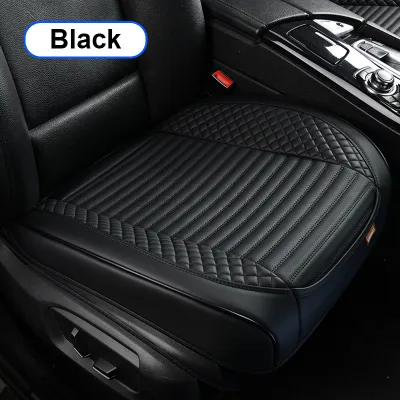
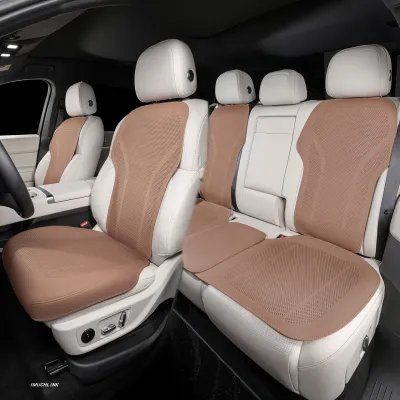
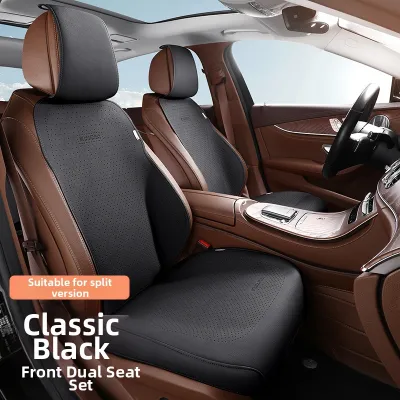
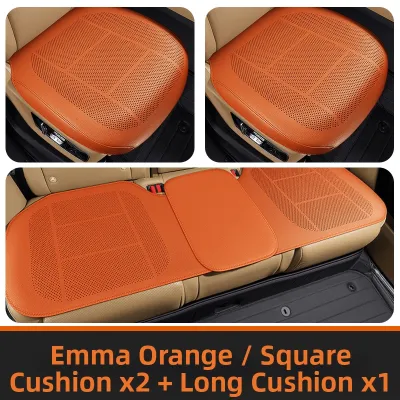
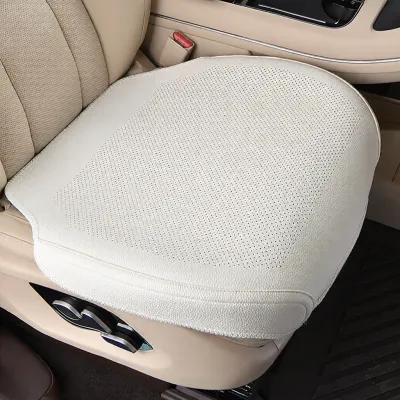
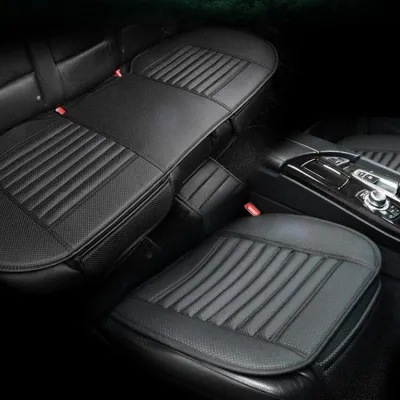
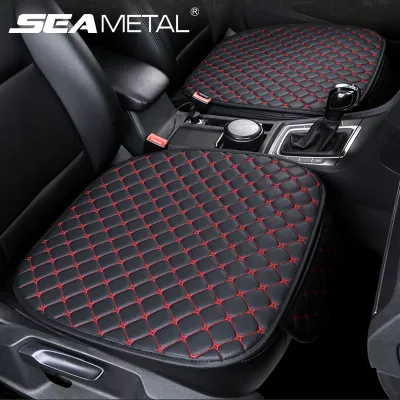
![[SG stock] Car Seat Cover PU Leather Interior Protector Mats Cushion 5 Seaters Chair Seatcover Pad for SUV Sedan Truck](https://img.lazcdn.com/g/p/548acff8a545394730a99559de273591.jpg_400x400q80.jpg_.webp)
Prices are valid at publication and may change. Please refer to the product page for the latest price.
Breathable mesh represents a highly effective option for passive temperature regulation. Constructed with an open, porous weave, mesh allows continuous airflow between your body and the seat backrest. This structure prevents the accumulation of moisture and heat, making it an excellent choice for drivers who experience discomfort from perspiration during long commutes. Because comfort is highly subjective, it is highly recommended to test different materials in person if possible, or carefully review the retailer’s return policy to ensure you can exchange the covers if the thermal performance does not meet your expectations.
Evaluating Durability and Daily Wear Resistance
A seat cover’s longevity depends heavily on its structural construction rather than a generic material category. When evaluating durability, look closely at the weave density of fabrics and the overall thickness of leather or synthetic options. Heavy-duty woven fabrics, such as those utilizing high-denier polyester or nylon, can offer exceptional resistance to surface abrasion and tearing. Similarly, thick synthetic leathers often match or exceed the wear resistance of entry-grade genuine leather, provided they are engineered specifically for automotive environments.

Daily stress factors like pet claws, child safety seats, and heavy cargo demand specific material reinforcements. Pet claws can easily snag loose fabric weaves or puncture thin, low-grade vinyl, while the rigid plastic bases of child seats can leave permanent indentations or wear spots on soft leather. If your vehicle frequently carries these high-stress loads, prioritize seat covers that feature reinforced double-stitching along the seams and multi-layered backing materials. Always verify the manufacturer’s warranty terms, as some brands offer specific coverage against seam splitting or premature wear under heavy-use conditions.
To make an objective comparison, look for standardized durability metrics on product labels. Many premium synthetic leathers and heavy-duty automotive fabrics undergo rigorous abrasion testing, such as the Martindale or Wyzenbeek methods, which measure how many friction cycles a material can withstand before breaking down. Checking these ratings on the manufacturer’s specification sheet provides a reliable, evidence-based way to compare durability across different brands and materials, helping you avoid low-quality options that may degrade within a few months of installation.
Maintenance, Cleaning, and Upkeep
Routine maintenance is a major factor in long-term satisfaction with your seat covers. Non-porous surfaces like synthetic leather and certain treated mesh covers are exceptionally easy to clean on a daily basis. A simple wipe-down with a damp microfiber cloth is usually sufficient to remove surface dust, sweat, and light dirt. This makes non-porous materials highly convenient for families with young children or drivers who frequently transport pets, as liquid spills remain on the surface rather than soaking into the cushion below.
Woven fabric covers require a different cleaning protocol. Because of their porous nature, fabrics easily absorb liquids, dust, and odors deep into their fibers. Regular maintenance involves thorough vacuuming with an upholstery brush attachment to prevent dirt from grinding into the weave. For spills and stains, you will need to use specialized fabric cleaners or upholstery extractors. When cleaning any seat cover, always avoid harsh household chemicals, bleach, or abrasive scrubbers, which can strip away protective UV coatings or cause dyes to bleed. Always refer to the manufacturer’s care label for approved cleaning agents.
Genuine leather demands a dedicated upkeep routine that synthetic alternatives do not require. Over time, exposure to sunlight and cabin heat can dry out natural leather, leading to cracking and fading. To preserve its suppleness and appearance, you must apply a dedicated leather conditioner every few months, following the product’s specific application instructions. Synthetic leather and breathable mesh, on the other hand, are highly resistant to drying out and require no conditioning, offering a low-maintenance alternative that retains its appearance with minimal effort.
Price Ranges and Value Considerations
Understanding the cost drivers behind automotive seat covers helps you set a realistic budget. The price hierarchy generally places genuine leather at the top of the spectrum, commanding a significant premium due to the cost of sourcing and processing natural hides. High-grade synthetic leathers (often labeled as “leatherette” or “vegan leather”) occupy the mid-to-high tier, offering a similar aesthetic at a more accessible price point. Breathable mesh and standard woven fabrics typically represent the most budget-friendly options, though premium custom-fit variants of these materials can also reach higher price brackets.
Several key variables influence the final cost of a seat cover set. Universal-fit covers, which drape over a wide variety of seat shapes, are inexpensive but may bunch up or slide during use. Custom-fit covers are patterned specifically for your vehicle’s exact make, model, and trim level, ensuring a tight, factory-like appearance, though they cost substantially more. Additionally, specialized features such as integrated side-impact airbag compatibility, water-resistant backings, and UV-resistant coatings will add to the overall price.
When budgeting for your upgrade, consider the total package cost rather than just the retail price of the covers. Some complex custom-fit designs, particularly those made of heavy leather or intricate multi-piece fabric, may require professional installation to achieve a proper, secure fit without damaging the underlying seats. If the manufacturer recommends professional fitting, be sure to factor these local labor fees into your overall budget. In Singapore, professional installation services can vary, so obtaining a quote beforehand ensures there are no unexpected expenses.
Decision Framework: Choosing the Right Seat Cover Material
To make your final decision, align the unique characteristics of each material with your daily driving habits, climate, and lifestyle requirements.
Choose Leather if you want to elevate your vehicle’s interior with a premium, sophisticated aesthetic and prefer a surface that can be wiped clean in seconds. This option is ideal for drivers who do not mind the initial break-in period, are willing to perform occasional conditioning, and are prepared to invest a higher upfront cost, starting from around S$300 to well over S$1,000 for full custom-fit genuine leather packages.
Choose Fabric if you prioritize a soft, slip-resistant seating surface that remains comfortable in both hot and cool weather without a break-in period. Fabric is highly suitable for budget-conscious drivers who want a cost-effective solution and do not mind performing regular vacuuming and occasional spot cleaning to manage dust and spills.
Choose Breathable Mesh if your absolute priority is maximum airflow and temperature regulation to combat perspiration during long, warm commutes. Mesh is an excellent choice for active individuals or commercial drivers who spend hours behind the wheel and require a low-maintenance, highly ventilated surface that keeps them cool.
Verify First before making any purchase that the seat covers are fully compatible with your vehicle’s safety systems. If your car is equipped with seat-mounted side-impact airbags, you must ensure that the chosen covers are explicitly certified by the manufacturer with breakaway seams or dedicated openings. Installing an incompatible cover can prevent the airbag from deploying correctly in an emergency, compromising your safety. Always cross-reference the product specifications with your vehicle’s owner’s manual before finalizing your order.
Frequently Asked Questions (FAQ)
Can I install leather or fabric seat covers over factory heated seats?
Yes, but compatibility depends entirely on the thickness and backing material of the aftermarket cover. Thick materials, such as multi-layered genuine leather or heavy foam-backed fabrics, act as thermal insulators, which can significantly slow down the transfer of heat from the factory heating elements to your body. In some cases, using an incompatible or excessively thick cover can cause heat to build up underneath, potentially damaging the seat’s internal heating elements or posing a safety risk. Before purchasing, always consult your vehicle owner’s manual and verify with the seat cover manufacturer that the product is rated safe for use with heated seats.
Do breathable mesh seat covers provide adequate support for long drives?
Breathable mesh seat covers primarily provide surface-level airflow and ventilation rather than structural ergonomic support. The overall firmness, lumbar contouring, and cushioning of your ride still depend almost entirely on the underlying factory seat foam. However, because mesh prevents heat buildup and sweating, it can reduce the physical fatigue and restlessness associated with sitting on a hot surface during long drives. If you require additional physical support for your back or posture, look for mesh seat covers that feature integrated high-density foam backings or adjustable lumbar support inserts designed to complement your vehicle’s existing seat structure.

Community discussion
Share your experience or ask a question. Comments are reviewed before publication.