
The “best” car privacy shade depends entirely on the specific window’s location and your daily driving habits. The front windshield requires rapid deployment, compact storage, and strict adherence to visibility laws, while side windows prioritize passenger privacy, seamless integration with window operation, and secure mounting. This guide breaks down the distinct design and mounting requirements for each area, helping you build a tailored shortlist for your vehicle.
Selecting the right combination of shades is not just about blocking out the sun; it is about maintaining the usability of your vehicle. A shade that works perfectly for a parked car might be completely impractical or even illegal if it blocks your view while driving. By understanding how different designs perform on different glass surfaces, you can protect your car’s interior from intense heat and UV damage while ensuring a safe, comfortable ride for everyone on board.
Front Windshield vs. Side Windows: Understanding the Core Differences
The front windshield and side windows serve entirely different purposes while driving, which directly influences the type of car privacy shade you should choose for each. The front windshield is your primary portal for road visibility, meaning any shade used here must be temporary and easily removable. In contrast, side windows can often accommodate semi-permanent shading solutions, especially in the rear passenger area, to block glare and provide privacy for passengers or children.
Products mentioned in this guide
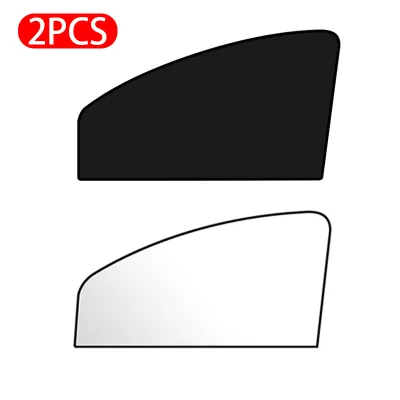
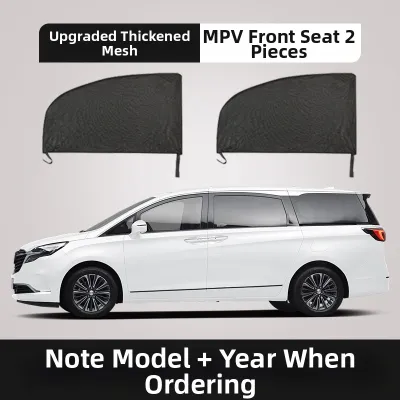
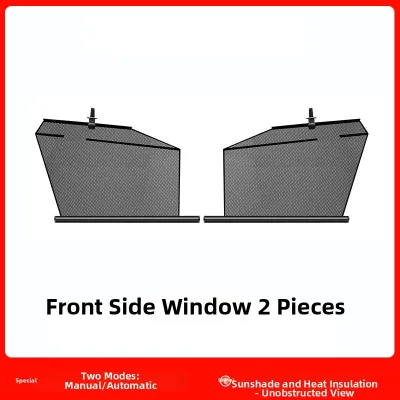
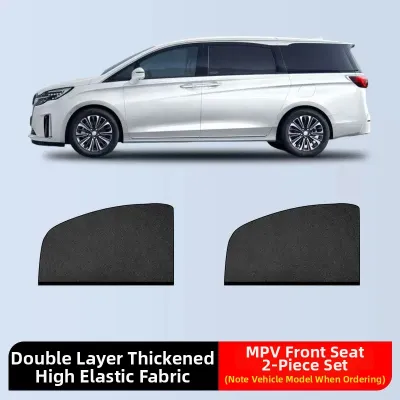
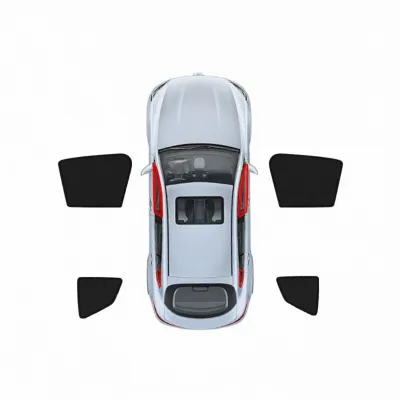
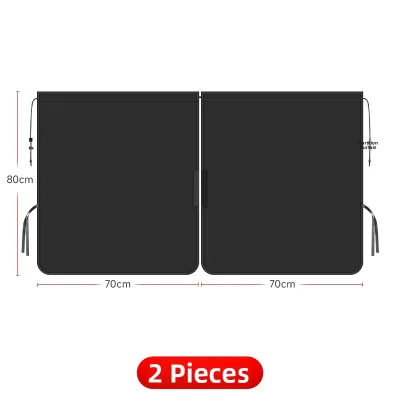
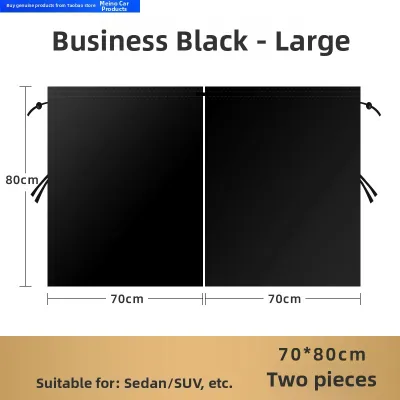
Prices are valid at publication and may change. Please refer to the product page for the latest price.
Legal regulations play a massive role in what you can install on your vehicle’s glass. In Singapore, the Land Transport Authority (LTA) enforces strict guidelines regarding light transmittance to ensure drivers have a clear view of their surroundings. While parked, you can use highly reflective, opaque shades on any window to keep the cabin cool. However, before you set off, the front windshield and front side windows must be completely clear of physical obstructions, and any aftermarket tinting must meet the minimum light transmittance standards.
Operational frequency is another critical differentiator between these two areas. A front windshield shade is typically deployed and packed away every single time you park and drive, especially when using open-air carparks exposed to intense tropical heat. This constant cycle of setup and teardown demands a design that is highly durable, quick to fold, and easy to store within arm’s reach of the driver’s seat. Side window shades, however, are often left in place for weeks or months at a time, requiring a mounting system that remains secure through daily door slams and window operations.
The physical structure of the glass also dictates the shade design. The front windshield is a massive, highly curved piece of glass bordered by the dashboard, the rearview mirror, and a complex array of sensors or dash cameras. Side windows are flatter, smaller, and housed within moving door frames. A shade designed for the front must clear these central obstructions and rest securely against the dashboard, whereas a side window shade must fit the specific contour of the door frame without slipping or jamming the window glass.
Selecting Effective Design Features for Front Windshield Privacy Shades
When shopping for a front windshield privacy shade, your primary goals are maximum heat rejection, rapid deployment, and compact storage. Accordion-fold shades are a traditional and highly effective option. Made from stiff, multi-layered materials like reflective bubble foil, they fold flat along pre-creased lines. They are incredibly durable and provide excellent structural rigidity, allowing them to stand upright against the windshield when supported by the sun visors. However, they can be bulky to store, often requiring space in the back seat or trunk.

For drivers seeking a more compact solution, umbrella-style shades have become increasingly popular. These shades feature a collapsible metal frame and a reflective fabric canopy that opens exactly like a standard rain umbrella. You simply push the runner up to open the canopy against the windshield and rest the handle on the dashboard for support. When collapsed, they shrink down to the size of a small water bottle, fitting easily into door pockets or the glove compartment. The trade-off is that the metal ribs must be handled gently to prevent scratching the dashboard or stretching the fabric over time.
Retractable roller shades offer a semi-permanent alternative for the front windshield. These units mount to one side of the windshield frame using suction cups or brackets, allowing you to pull the shade across the glass and hook it into place on the opposite side. While they offer unmatched convenience, they do have notable drawbacks. The housing can create small but persistent blind spots near the A-pillars while driving, and the constant tension on the roller mechanism can lead to premature wear, especially when exposed to high cabin temperatures.
Before purchasing any front windshield shade, you must perform critical physical checks on your vehicle’s interior layout. Look closely at the area behind your rearview mirror; many modern vehicles house rain sensors, automatic headlight sensors, and advanced driver assistance system (ADAS) cameras in this space. A good windshield shade must feature a deep cutout or a hook-and-loop strap at the top to wrap around the mirror bracket without putting pressure on these sensitive electronic components. Additionally, ensure the shade’s physical dimensions do not interfere with your steering wheel or dashboard-mounted accessories during installation.
Selecting Privacy Shade Designs for Side Window Applications
Side windows require a completely different approach to privacy and sun protection, focusing on passenger comfort and seamless integration with the vehicle’s doors. One of the most versatile designs is the mesh sleeve cover, often referred to as a window sock. This shade is made of an elastic mesh fabric that slides over the entire upper frame of the car door, covering both the interior and exterior of the glass. Because it sits on the frame rather than the glass, you can roll the window down completely to enjoy fresh air and ventilation while maintaining full shade and insect protection. The main drawback is that the exterior fabric is exposed to the elements, meaning it can flap at high speeds and absorb water during heavy rainstorms.
For a cleaner look, magnetic panels offer an excellent balance of privacy and convenience. These shades feature small, powerful magnets sewn into the fabric border, allowing them to snap instantly onto the exposed metal frame surrounding your side windows. They are custom-shaped to match specific vehicle models, providing edge-to-edge coverage with no gaps. Because they do not attach to the glass, you can still operate your windows freely. However, they are only compatible with vehicles that have steel door frames; if your car features aluminum frames or extensive plastic trim along the window line, the magnets will not stick.
Static cling films are another popular option, utilizing electrostatic force to adhere directly to the inside of the glass. They require no adhesives, leave zero residue, and can be peeled off and repositioned as often as needed. They are highly customizable, as you can easily trim them with scissors to fit any window shape. The limitation of static cling shades is that they move with the glass; if you roll the window down, the shade rolls down with it. If the film is slightly loose or poorly applied, the friction of the window seal can peel the shade off or cause it to bunch up inside the door panel.
When selecting side window shades, safety must remain your top priority. Rear side shades are fantastic for protecting children and pets from harsh sunlight, but you must ensure they do not interfere with the operation of child safety locks or door latches. For the front side windows, any shade used must not block your view of the side mirrors. If you require privacy or shade on the front side windows while parked, choose a magnetic or static cling option that can be quickly removed and stowed away before you drive.
Comparing Mounting Styles: Which Installation Method Works Best for Your Vehicle?
The mounting style of your car privacy shade determines how easy it is to use, how clean your glass remains, and how well the shade stays in place over time. Suction cups are the most common and traditional mounting method, offering a simple, universal attachment point for both front and side shades. However, they are highly susceptible to environmental conditions. Under the intense heat of a tropical climate, the air inside the suction cup expands, causing it to lose its vacuum seal and fall off. They also tend to leave circular residue marks on the glass that require frequent cleaning.
Static cling and electrostatic adhesion methods solve the residue problem entirely. By relying on a smooth vinyl or PVC material that bonds to the glass through static electricity, these shades can be applied and removed countless times without leaving a trace. They provide a very low-profile, integrated look that closely mimics professional window tinting. To ensure a reliable bond, the glass surface must be meticulously cleaned and free of dust or grease before application. Their primary limitation is their vulnerability to physical friction, making them unsuitable for windows that are frequently rolled up and down.
Magnetic mounts and clip-on tracks represent highly secure installation methods. Magnetic shades snap directly onto the metal door frame, completely bypassing the glass. This design ensures the shade remains perfectly in place regardless of whether the window is open or closed, and it eliminates the risk of the shade falling off due to heat or vibration. For vehicles without magnetic metal frames, clip-on tracks or plastic clips that slide into the window weatherstripping offer a similar level of security. These systems require precise alignment during installation to prevent the clips from binding against the glass or damaging the rubber seals.
Building Your Shortlist: Essential Checks Before You Buy
To avoid the hassle of returning a poorly fitting accessory, you should build a practical pre-purchase checklist based on physical measurements rather than generic marketing claims. Never rely solely on “universal fit” labels, as windshield angles, dashboard depths, and door frame shapes vary wildly between car models. Use a metal measuring tape to record the exact height and width of your windshield and side windows. For the front windshield, measure from the base where the glass meets the dashboard to the very top edge near the headliner, and take width measurements at both the top and bottom of the glass to account for its tapered shape.
Next, verify that your chosen shades comply with local traffic regulations. In Singapore, the Land Transport Authority (LTA) mandates that aftermarket window films and shades must not compromise driver visibility. While you are free to use highly reflective, opaque, or dark shades while your vehicle is parked, you must ensure that any shade on the front windshield and front side windows is completely removed before driving. Rear side windows and the rear windshield have more lenient regulations, but they must still allow sufficient light transmittance if you plan to keep the shades installed while on the road.
Finally, inspect the product labels and manufacturer specifications for material quality and safety certifications. Look for shades that explicitly state their UV protection capabilities, such as a UPF 50+ rating, which indicates that the material blocks a high percentage of harmful ultraviolet rays. Check that the materials used are heat-resistant and flame-retardant, as interior cabin temperatures can climb significantly when parked in direct sunlight. High-quality polyester, multi-layered aluminum foil, and reinforced steel frames will ensure your shades do not warp, degrade, or emit unpleasant chemical odors over years of use.
Frequently Asked Questions (FAQ)
Can I use the same privacy shade for both the front windshield and side windows?
No, you cannot effectively use the same privacy shade for both positions due to major differences in glass dimensions, curvature, and operational requirements. Front windshield shades are significantly larger and designed with a stiff, reflective structure to cover a massive expanse of glass while resting on the dashboard. Side windows are much smaller, flatter, and require shades that either attach directly to the moving glass or snap onto the door frame. Using a front shade on a side window would result in an insecure fit that blocks your view, while a side shade is far too small to provide adequate coverage for the front windshield.
Do car privacy shades affect the use of electronic toll collection or GPS sensors?
Yes, certain car privacy shades can interfere with onboard electronics if they contain metallic or highly reflective layers. Materials like aluminum foil or metallic-coated polyester can block radio frequency identification (RFID) signals and GPS satellite transmissions. This can prevent your In-vehicle Unit (IU) or on-board unit from communicating with electronic toll collection gantries, or disrupt your dashboard-mounted GPS navigation system. To prevent this, position your front windshield shade so that it does not cover these devices, or select a shade design that features a physical cutout around the rearview mirror area where these sensors are typically mounted.

Community discussion
Share your experience or ask a question. Comments are reviewed before publication.