
For drivers navigating Singapore’s dense urban landscape, choosing between a dedicated car navigation system and a smartphone paired with a car mount is a practical daily decision. While both options aim to guide you from point A to point B, they offer vastly different experiences in terms of cost, convenience, and integration. For the majority of daily commuters in Singapore, a smartphone combined with a reliable car mount represents a highly practical setup. This combination leverages real-time traffic data to bypass sudden congestion on major expressways like the PIE or CTE, all while keeping upfront costs relatively low.
However, a dedicated car navigation system remains a viable alternative for specific driving profiles. Drivers who frequently travel long distances across the border, opt for a completely clutter-free dashboard, or want deep integration with their vehicle’s onboard diagnostics often find value in a dedicated unit. To determine which setup fits your specific driving habits, it is essential to evaluate how each option performs across four key criteria: long-term cost, safety and stability, data accuracy, and vehicle integration.
How Dedicated Systems and Phone Mounts Compare on the Road
When evaluating usability on the road, screen visibility and touch responsiveness are critical factors. Modern smartphones generally feature high-resolution screens with advanced anti-reflective coatings, making them highly readable even under direct sunlight. Their capacitive touchscreens are exceptionally responsive, allowing for smooth pinching, zooming, and panning. In contrast, some dedicated GPS units, especially older or budget-friendly models, utilize resistive touchscreens that require firmer physical pressure and may suffer from slower refresh rates. However, dedicated systems often feature matte screens designed specifically to minimize glare inside a vehicle cabin, which can be an advantage during bright midday drives.
Products mentioned in this guide
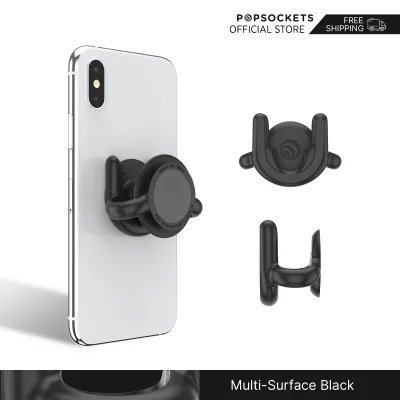
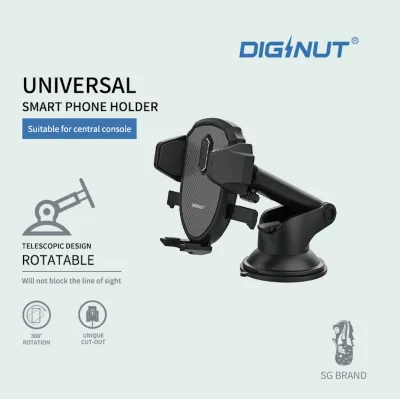
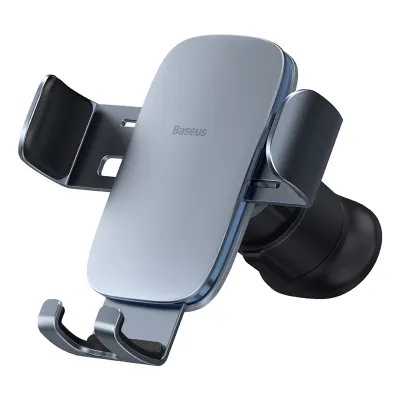


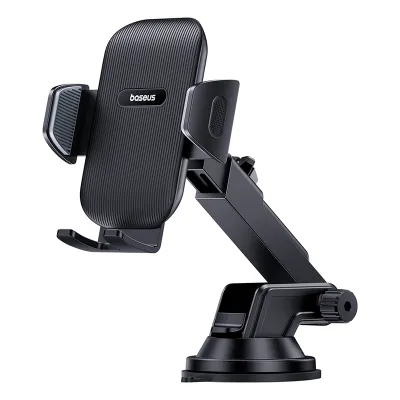

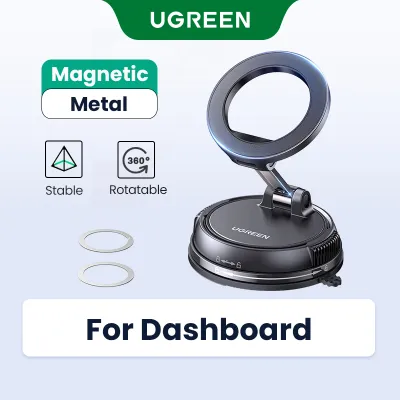
Prices are valid at publication and may change. Please refer to the product page for the latest price.
Data accuracy and real-time routing are where the two systems diverge significantly. Smartphone navigation relies on cloud-based applications that receive constant, crowdsourced updates. This allows the software to detect sudden traffic build-ups, road closures, or accidents within minutes and suggest alternative routes. Dedicated navigation systems, on the other hand, often rely on proprietary map databases. While some high-end dedicated units offer real-time traffic feeds via connected cellular modules or radio signals, many standard models require manual map updates via a computer or Wi-Fi connection. This means a dedicated system might not immediately reflect temporary road diversions or newly constructed residential estates.
Signal reliability is another crucial consideration, particularly when driving through Singapore’s extensive network of underground tunnels, such as the Marina Coastal Expressway (MCE) or the Kallang-Paya Lebar Expressway (KPE). Smartphones rely heavily on cellular tower triangulation and assisted GPS (A-GPS). When entering a deep tunnel, a smartphone can occasionally lose its location lock, leading to delayed instructions right before a critical exit. Dedicated GPS systems often feature highly sensitive GPS receivers and, in some advanced installations, are hardwired to the vehicle’s speed sensors. This integration allows the system to estimate the vehicle’s position through dead reckoning even when satellite signals are completely blocked.
Furthermore, offline capabilities differ between the two setups. While smartphone users can pre-download offline maps for offline navigation, doing so requires manual planning and consumes internal storage space. Dedicated navigation systems are built from the ground up with complete offline map databases stored directly on internal flash memory or memory cards. This ensures uninterrupted navigation and map rendering regardless of cellular network availability, making them highly reliable when driving in remote areas or crossing international borders where data roaming charges might apply.
Upfront Costs, Subscriptions, and Long-Term Value in S$
The financial commitment of each navigation method involves both immediate upfront costs and ongoing operational expenses. Utilizing a smartphone for navigation is highly cost-effective because most drivers already own a capable device. The primary hardware investment is a secure, high-quality car mount, which typically ranges from S$15 to S$60 depending on the mounting mechanism, build materials, and charging capabilities. This low entry barrier makes the smartphone setup highly attractive for budget-conscious drivers and occasional commuters.

In contrast, a dedicated car navigation system requires a more substantial initial investment. Purchasing a standalone GPS unit or an aftermarket integrated infotainment head unit can cost anywhere from S$150 to well over S$800, excluding professional installation fees. If the dedicated system requires hardwiring into the vehicle’s electrical system or custom dashboard trim kits, installation labor can add another S$100 to S$300 to the total bill. Drivers must weigh this significant upfront expense against how often they actually require specialized navigation features.
Ongoing expenses also differ between the two options. Smartphone navigation consumes mobile data, which is generally manageable under modern local data plans but can accumulate if you use navigation daily or travel abroad. Additionally, some premium navigation applications require monthly or annual subscription fees for advanced features like lane guidance or speed camera alerts. For dedicated systems, map updates are the primary recurring cost. While some manufacturers offer lifetime free map updates, others charge annual fees to download the latest road layouts, which can become a recurring financial burden to keep the system accurate.
Depreciation and replacement cycles are the final financial factors to consider. Smartphones are typically upgraded every two to three years for general personal use, meaning your navigation hardware naturally stays up-to-date without dedicated spending. Dedicated GPS units have a much longer physical lifespan, often lasting five to ten years. However, their internal hardware can feel increasingly sluggish over time as map files grow larger and more complex. Finding replacement parts or software support for an older dedicated unit can also become difficult once the manufacturer discontinues the model, potentially forcing a complete system replacement.
Safety, Dashboard Integration, and Car Mount Stability
Driving safety and legal compliance must be the top priorities when setting up any navigation system. The physical stability of a smartphone depends entirely on the quality and type of car mount used. Air vent mounts are popular and easy to install, but they can block airflow and may sag under the weight of heavier phones, potentially distracting the driver. Suction cup mounts offer flexible placement on the windshield or dashboard but can lose adhesion during hot weather when the cabin temperature rises. Adhesive dashboard mounts provide a semi-permanent solution but require careful surface preparation and can leave residue or damage delicate dashboard materials upon removal.
A major safety consideration for smartphone mounts is compliance with local road safety regulations. In Singapore, drivers must ensure that any device mounted on the windshield or dashboard does not obstruct their clear line of sight of the road ahead. Additionally, holding or operating a mobile communication device while driving is a serious offense. A secure car mount helps mitigate this risk by keeping the device in a fixed position, but drivers must still refrain from manually inputting destinations or interacting with the screen while the vehicle is in motion.
Dedicated navigation systems, particularly those integrated into the vehicle’s dashboard, offer excellent ergonomics and safety. Because they are installed in a fixed, factory-approved location, they do not obstruct the windshield or clutter the dashboard with exposed cables. These systems are designed to integrate seamlessly with the vehicle’s audio system, automatically lowering the volume of the radio or music when navigation instructions are spoken. Many integrated systems also support steering wheel controls, allowing drivers to mute prompts or repeat instructions without taking their hands off the wheel.
For drivers using a smartphone mount, cable management is essential to prevent safety hazards. Running a long charging cable from the center console to a windshield-mounted phone can create a dangerous distraction if the cable dangles near the gear shifter, steering wheel, or pedals. Drivers must carefully route charging cables away from these control areas and ensure they do not cross airbag deployment zones. Many modern car mounts feature integrated wireless charging, which simplifies the setup but still requires a power cable to be safely routed and secured to the mount itself.
Decision Framework: Which Navigation Setup Fits Your Driving Needs?
To choose the right navigation setup, drivers should evaluate their specific driving habits, vehicle type, and personal preferences.
Choose phone navigation with a car mount if:
- Your driving consists primarily of daily commuting, running errands, or short trips within well-mapped urban areas.
- You rely heavily on real-time traffic updates, community-reported road hazards, and instant rerouting to avoid peak-hour congestion.
- You favor using familiar, constantly updated navigation applications that sync seamlessly with your personal calendar and contacts.
- You want to minimize upfront costs by utilizing your existing smartphone and investing only in a high-quality, secure car mount.
Choose a dedicated car navigation system if:
- You frequently drive long distances, travel through areas with unreliable cellular coverage, or regularly cross borders where data roaming is expensive or unavailable.
- You favor a clean, integrated dashboard appearance without visible mounting brackets, suction cups, or dangling charging cables.
- You want a navigation screen that remains permanently in the vehicle, eliminating the need to mount and unmount your phone every time you enter or exit the car.
- Your vehicle's cabin layout makes it difficult to position a smartphone mount without blocking air vents, controls, or your clear view of the road.
Verify first if:
- Your vehicle's manufacturer warranty permits the installation of aftermarket electrical components or hardwired navigation systems.
- The physical dimensions and weight of your smartphone are fully compatible with the specifications of your chosen car mount.
- Your vehicle's dashboard materials can safely support adhesive mounts without risking discoloration, peeling, or structural damage over time, as adhesive compatibility varies by material.
- For dedicated systems requiring electrical modifications, disassembly, or hardwiring into the vehicle's electrical system, you have consulted the original vehicle instructions and planned for qualified professional installation to prevent electrical damage or safety hazards.
Frequently Asked Questions (FAQ)
Do I need a special car mount for heavy smartphones?
Yes, heavier or larger smartphones require a car mount specifically designed to handle their weight and physical dimensions. When selecting a mount, always check the manufacturer’s specified maximum weight capacity and maximum grip width to ensure compatibility with your device, including its protective case. Mechanical clamp mounts with locking side arms and a bottom support shelf generally offer a highly secure hold for heavy devices. If you choose a magnetic mount, ensure it utilizes high-strength magnets and that the metal plate is positioned correctly on the back of your phone or case to prevent the device from slipping off during sudden stops or when driving over speed bumps.
Can using phone navigation drain my car battery?
Using a smartphone for navigation while charging it will not drain your car’s battery as long as the vehicle’s engine is running. When the engine is active, the alternator generates electricity to power the vehicle’s electronics and charge both the car battery and your connected devices. However, if you run navigation and charge your phone while the car is in accessory mode (engine off), it will draw power directly from the car battery, which can eventually deplete it. To ensure your phone charges efficiently while navigating, verify that your vehicle’s USB port or 12V adapter provides sufficient power output (typically 2.4A or higher) to match the power consumption of the navigation software.

Community discussion
Share your experience or ask a question. Comments are reviewed before publication.