
Selecting the right car curtain installation type depends entirely on which window you are trying to cover. There is no single mounting method that performs optimally across all glass surfaces in a vehicle. For the front windshield, the priority must always be unobstructed driver visibility during operation and secure, heat-resistant adhesion when parked. Side windows, conversely, require greater flexibility to accommodate rolling glass, varying passenger preferences, and different levels of light blocking.
In tropical climates like Singapore, where parked vehicles face intense solar radiation and extreme cabin heat, the physical mechanisms of these mounts behave differently. A mounting method that holds securely on a flat, shaded side window may quickly fail on a curved, sun-exposed front windshield. Understanding these distinct environmental and functional demands is the first step toward choosing a reliable sun protection setup.
Understanding Windshield vs. Side Window Requirements
The physical characteristics of automotive glass vary significantly between the front and sides of a vehicle. The front windshield is highly curved, laminated for safety, and remains completely stationary within its frame. This curvature creates physical tension for any rigid or semi-rigid shade system, meaning flexible materials or highly adaptable mounting points are necessary to achieve full coverage without gaps.
Products mentioned in this guide
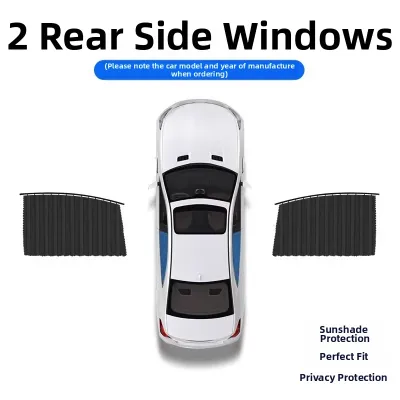
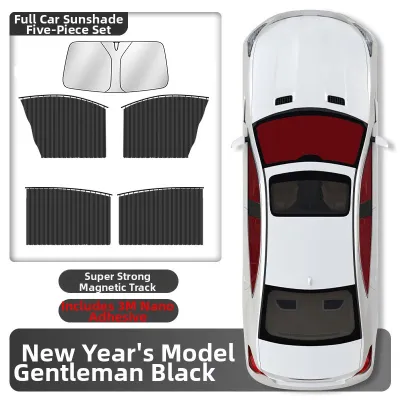
![[SG 🚚] Magnetic Car Sun Shade UV Protection Car Curtain Car Window Sunshade Side Window Mesh Sun Visor Summer Protection Window](https://img.lazcdn.com/g/p/801bdffe2fd0042119b6f39b1fd87ca3.jpg_400x400q80.jpg_.webp)
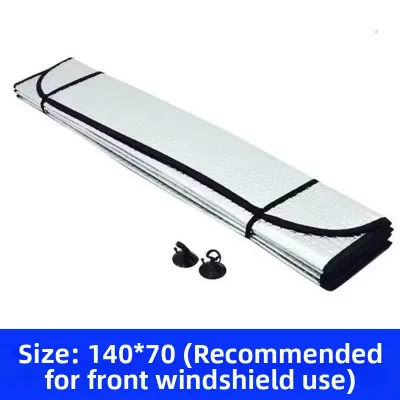
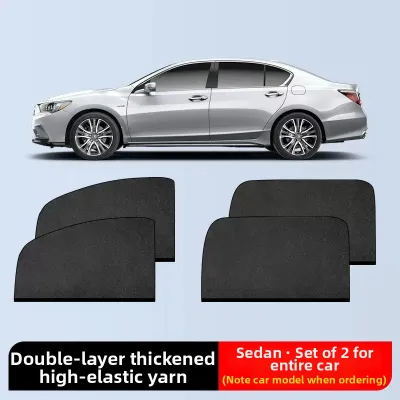
Prices are valid at publication and may change. Please refer to the product page for the latest price.
Side windows are typically flatter but present a major mechanical challenge: they must be free to roll down into the door panels. Any curtain or shade mounted directly to the glass must either move seamlessly with the window or be easily detachable to prevent mechanical strain on the window regulator. Furthermore, side windows are often surrounded by a mix of materials, including rubber weatherstripping, plastic trim, and painted steel frames, each of which interacts differently with adhesives, suction cups, and magnets.
Thermal dynamics also dictate how these mounts perform over time. The front windshield receives the most direct, prolonged sunlight, creating a localized greenhouse effect that can elevate dashboard temperatures well above ambient levels. This intense heat can degrade adhesives, cause suction cups to lose their vacuum seal, and warp plastic components. Side windows experience fluctuating exposure as the vehicle turns, requiring mounts that can handle both direct sunlight and rapid cooling when the air conditioning is active.
Safety, Legal, and Installation Boundaries
Before purchasing or installing any car curtain system, drivers must consider local road safety regulations and vehicle design limitations. In Singapore, the Land Transport Authority (LTA) maintains strict guidelines regarding driver visibility and window tinting. Any aftermarket modification, including temporary curtains or shades, must not obstruct the driver’s forward view or clear sightlines to the side mirrors while the vehicle is in motion. Installing permanent or highly opaque curtains on the front windshield or front side windows during driving is generally prohibited and can result in fines or vehicle inspection failures.

Beyond legal compliance, physical safety during vehicle operation is paramount. Side curtain airbags deploy rapidly from the roofline and side pillars during a collision. If a car curtain track or magnetic frame is mounted directly over these deployment zones, it can interfere with the airbag’s path or, worse, become a dangerous projectile inside the cabin. Drivers must consult their vehicle’s owner manual to identify the exact locations of all side and curtain airbags before planning any semi-permanent installation.
Compatibility checks are also essential before finalizing a purchase. For instance, magnetic curtains require an exposed steel frame around the window to function. Many modern vehicles utilize aluminum alloys, carbon fiber, or extensive plastic molding along the interior door frames, rendering magnetic mounts useless. If you encounter resistance during installation, or if the mounting instructions conflict with your vehicle’s structural layout, stop immediately and consult a qualified automotive accessory professional.
Comparing Car Curtain Installation Types
To choose the right system, it is helpful to evaluate the four primary mounting methods available on the market. These options range from temporary, highly removable solutions to semi-permanent mechanical fixtures, each offering distinct trade-offs in durability, ease of use, and stability.
Suction Cup and Static Cling Mounts
Suction cup mounts rely on a partial vacuum to adhere to the glass surface. While they are highly portable and easy to reposition, their grip strength is highly sensitive to temperature changes and surface cleanliness. On a curved front windshield, the tension of the shade material can pull against the suction cups, while the intense heat of the Singapore sun expands the tiny pocket of air trapped beneath the cup, causing it to lose suction and fall off. Regular maintenance, including cleaning both the glass and the suction cups with a damp cloth to remove dust and oils, is required to maintain a reliable seal.
Static cling shades utilize thin, flexible PVC or vinyl sheets that adhere to the glass via static electricity and atmospheric pressure without any adhesive. This method is exceptionally low-profile and works well on flat side windows, but it has strict surface requirements. Static clings do not adhere well to textured glass, heavily tinted aftermarket films, or windows with integrated defroster lines. Additionally, rolling down a side window with a static cling shade attached can cause the film to catch on the window weatherstripping, peeling the shade off or potentially jamming the window mechanism.
Magnetic and Retractable Mounts
Magnetic mounts feature small, powerful magnets sewn into the fabric border of the curtain, which snap directly onto the metal frame surrounding the side windows. This design offers a clean, custom-fit appearance and allows the window to be rolled down freely while the shade remains in place to block insects and sunlight. However, users must verify that their vehicle’s door frames are made of ferrous metal. There is also a minor risk of paint abrasion; if fine road grit or dust settles between the magnetic strip and the painted frame, repeated removal and reattachment can cause micro-scratches over time.
Retractable mounts utilize a spring-loaded roller mechanism housed in a casing, which is typically secured to the top or bottom of the door panel using adhesive tape or small screws. The shade fabric is pulled out and hooked onto the opposite side of the window frame. While retractable systems offer unmatched convenience and a neat, integrated look, they require a semi-permanent commitment to the vehicle’s interior. The mechanical tracks and roller springs are subject to wear and tear over time, and cheap adhesive backings may melt and slide under high cabin temperatures, leaving a sticky residue on the door panels.
Decision Matrix: Matching Mounts to Window Positions
To simplify the selection process, the following matrix outlines how each mounting type aligns with different window positions and vehicle conditions.
| Mounting Type | Front Windshield Suitability | Side Window Suitability | Key Installation Conditions |
|---|---|---|---|
| Suction Cup | Moderate (Temporary use only when parked) | Good (Rear side windows only) | Requires clean, smooth, non-textured glass surfaces. |
| Static Cling | Poor (Curvature and heat cause frequent peeling) | Good (Fixed or rarely opened side windows) | Requires flat glass free of aftermarket tint bubbles or defroster lines. |
| Magnetic | Not Applicable (No metal frame on windshields) | Excellent (If vehicle has exposed steel door frames) | Requires ferrous metal frames; not compatible with aluminum or plastic trim. |
| Retractable | Poor (Difficult to mount across wide, curved glass) | Excellent (Provides quick, adjustable coverage) | Requires flat mounting surfaces on door panels and heat-resistant adhesive. |
When deciding on your setup, consider a combined approach rather than relying on a single mounting type for the entire vehicle. Choose a folding, tension-fit, or high-quality suction cup shade for the front windshield, ensuring it is only deployed when the vehicle is parked to comply with local visibility laws. For side windows, choose magnetic frames if your vehicle has exposed steel door frames, as they offer the best balance of coverage and ease of removal. If your door frames are covered in plastic or leather trim, opt for retractable shades with high-temperature adhesive mounts or high-quality static clings on fixed rear quarter windows.
If your vehicle has unique window geometries, frameless doors, or delicate aftermarket tinting that makes standard retail options incompatible, avoid forcing a generic fit. In these cases, custom-tailored magnetic shades that fit snugly into the window recess or professional installation of premium, track-guided curtains are safer and more durable alternatives.
Frequently Asked Questions (FAQ)
Can I use suction cup curtains on tinted windows?
Using suction cup curtains on windows treated with aftermarket tint film carries distinct risks. The localized vacuum pressure exerted by a suction cup, combined with the physical pulling force when removing the shade, can stress the thin polyester film. Over time, or under intense heat, this tension can cause the tint film to bubble, peel, or separate from the glass surface. If your vehicle has aftermarket tinting, it is generally safer to use magnetic frame curtains that attach to the metal door frame, or static cling shades, which distribute pressure more evenly and do not rely on concentrated vacuum suction.
How do I prevent static cling curtains from peeling off in hot weather?
To prevent static cling curtains from peeling off under high temperatures, meticulous surface preparation is essential. Begin by thoroughly cleaning the glass surface with an alcohol-based glass cleaner to remove all grease, dust, and fingerprint oils, which interfere with static adhesion. When applying the cling, lightly mist the glass with clean water or a highly diluted soapy water solution, then use a squeegee or a plastic card wrapped in a soft cloth to smooth out all air bubbles from the center outward. This wet-application method creates a stronger, bubble-free bond that is much more resilient to the thermal expansion caused by direct sunlight.

Community discussion
Share your experience or ask a question. Comments are reviewed before publication.