
The pH level of a car cleaner measures its acidity or alkalinity, which directly determines how effectively it breaks down specific types of dirt and whether it will safely preserve or accidentally strip your vehicle’s protective paint coatings. Choosing the wrong pH can lead to etched clear coats, faded trim, or stripped wax, while the right pH helps achieve a clean finish without compromising long-term protection.
In tropical climates where vehicles face intense sunlight, sudden downpours, and high humidity, paint surfaces are highly vulnerable. Rainwater mixed with atmospheric dust can quickly bake onto the clear coat, making the choice of car cleaner a critical decision for maintaining your vehicle’s exterior health. Understanding how these chemical formulations interact with your car’s paint is the first step toward professional-grade maintenance at home.
Understanding the pH Scale in Car Wash Products
The pH scale is a scientific measurement ranging from 0 to 14 used to determine how acidic or alkaline a water-based solution is. A value of 7.0 represents a perfectly neutral state, which is the baseline for pure water. Any rating below 7.0 indicates acidity, while any rating above 7.0 indicates alkalinity. In automotive detailing, car cleaners are formulated across this entire spectrum to target different types of road grime and environmental contaminants.
Products mentioned in this guide
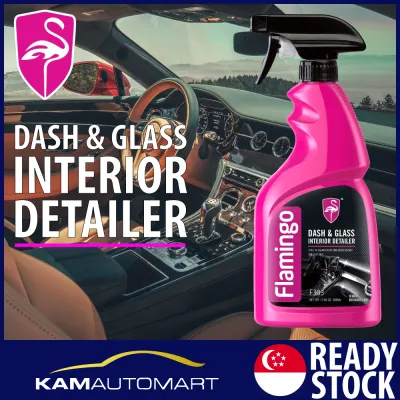
Prices are valid at publication and may change. Please refer to the product page for the latest price.
Acidic car cleaners sit on the lower end of the scale and dissolve inorganic mineral deposits. Alkaline formulations occupy the higher end of the scale and excel at breaking down organic matter like grease, oils, and proteins. Neutral formulations aim to balance these forces, providing a gentle cleaning action that lifts loose dirt without chemically reacting with the surface.
It is important to clarify that “pH-neutral” in the car care industry often refers to a paint-safe range rather than a strict 7.0 chemical absolute. Many products marketed as pH-neutral actually fall within a safe operating window of 6.5 to 7.5. Because of this variation, you should always verify the actual product specifications and manufacturer labels rather than relying solely on broad marketing claims.
How pH Levels Affect Cleaning Power and Paint Safety
Every vehicle wash involves a delicate balance between chemical energy and mechanical agitation. The pH level of your car cleaner represents the chemical energy used to break the molecular bonds holding dirt to your paintwork. Understanding how different pH categories perform allows you to select the most appropriate tool for your specific cleaning task.

Alkaline Car Cleaners (High pH)
Alkaline car cleaners typically feature a pH level between 8 and 12. These high-pH formulations are highly effective against organic contaminants, which include road grease, engine oils, traffic film, bird droppings, and bug splatter. Because these organic substances are naturally acidic, the alkaline cleaner neutralizes them, breaking them down so they can be easily rinsed away.
However, this aggressive chemical action comes with significant risks to your vehicle’s protective layers. High-pH cleaners can rapidly strip away natural carnauba waxes and degrade synthetic paint sealants, leaving your clear coat highly exposed to UV rays and environmental damage. If these products are allowed to dry on the vehicle, they can also cause permanent staining or drying on sensitive rubber seals, matte plastic trim, and anodized aluminum accents.
To mitigate these risks, alkaline cleaners require strict adherence to manufacturer instructions. Thorough rinsing with clean water is mandatory to help neutralize the chemical action on the paint surface. You must also monitor dwell times carefully, ensuring the product never dries on the vehicle during application.
Acidic Car Cleaners (Low pH)
Acidic car cleaners sit on the lower end of the scale, usually featuring a pH level between 2 and 5. These specialized formulations are designed to tackle inorganic and mineral-based deposits that alkaline or neutral cleaners cannot dissolve. Typical use cases include removing stubborn hard water spots, industrial fallout, and baked-on metallic brake dust from wheels.
The primary hazard of low-pH cleaners is their corrosive nature. If misused or left on the surface for too long, acidic solutions can etch directly into the clear coat, leaving permanent dull spots or water-like stains. They can also stain bare metals, damage specialized glass coatings, and degrade delicate plastic trim.
Because of these severe risks, acidic cleaners should never be used as a routine maintenance wash. They are specialized corrective tools that you should only employ when specific mineral contamination is present. Always treat them with caution and follow up with a neutralizing rinse to protect the surface.
pH-Neutral Car Cleaners (Balanced pH)
pH-neutral car cleaners are formulated to maintain a balanced pH level close to 7.0. These products are designed for frequent, routine maintenance washes because they provide a gentle cleaning action that does not chemically react with the vehicle’s surface. They are highly compatible with existing protective layers, including carnauba wax, synthetic sealants, ceramic coatings, and paint protection films (PPF).
The main limitation of pH-neutral cleaners is their reduced chemical cleaning power on heavy, baked-on grime. Because they lack the aggressive chemical energy of acidic or alkaline products, they rely more heavily on lubrication and mechanical agitation. To clean effectively, you will need to use high-quality microfiber wash mitts or incorporate a dedicated pre-wash foam step to loosen dirt safely.
Despite this limitation, pH-neutral shampoos remain the default choice for routine vehicle care. They allow you to wash your car weekly or bi-weekly without the risk of stripping away your expensive waxes or degrading your ceramic coatings. This preservation of existing protection is key to maintaining long-term paint health and gloss.
Matching the Right pH to Your Car's Protection and Dirt Type
Selecting the correct car cleaner requires evaluating both the current protective layer on your vehicle and the specific type of dirt you need to remove. If your vehicle is protected by a delicate carnauba wax or a synthetic sealant, you should stick strictly to pH-neutral cleaners. Using an alkaline or acidic product on these surfaces will rapidly strip the protection, requiring you to reapply the wax or sealant after the wash.
Vehicles protected by professional ceramic coatings or paint protection films (PPF) offer more flexibility due to their high chemical resistance. While pH-neutral shampoos are still recommended for routine maintenance, these advanced coatings can occasionally tolerate mild alkaline washes to remove stubborn road film. However, you must always cross-reference the car cleaner label with the protective coating manufacturer’s guidelines to verify explicit pH compatibility warnings.
You must also assess the type of contamination present on your paintwork before choosing a product. If your car is covered in organic road grime, grease, or bug splatter from a long highway drive, a mild alkaline pre-wash may be temporarily required to break down the organic bonds. Conversely, if your vehicle has developed unsightly water spots from lawn sprinklers or rain drying in the sun, a mild acidic spot treatment is the correct tool to dissolve the mineral rings.
For vehicles with bare clear coats that lack any form of protection, the choice of cleaner is equally critical. While a bare clear coat can handle mild alkaline or acidic cleaners for deep decontamination, doing so leaves the paint completely vulnerable to the elements. If you use an aggressive cleaner to strip away heavy grime, you must follow up with the application of a wax, sealant, or coating to restore essential UV and environmental protection.
Safe Application Rules for pH-Specific Car Cleaners
When working with pH-specific car cleaners, safety and precision are paramount to minimizing the risk of accidental surface damage. You must always follow the manufacturer’s dilution ratios strictly. Never attempt to concentrate high-pH or low-pH products in an effort to increase their cleaning power, as this can lead to immediate chemical burns on your paint, clear coat, or delicate trim.
Environmental conditions play a massive role in how these chemicals behave on your vehicle. You must monitor dwell times carefully and avoid letting any chemical dry on the paint surface. This is especially critical when washing in direct sunlight or high ambient heat, as rapid evaporation concentrates the active chemicals and increases the risk of etching or staining. Always wash your vehicle in the shade or during the cooler hours of the day.
Before applying a new acidic or alkaline cleaner to your entire vehicle, perform a spot test on an inconspicuous area. Testing a small patch on a lower rocker panel or inside a door jamb allows you to verify surface compatibility without risking visible damage. This step is highly recommended for older vehicles, faded plastic trim, or aftermarket parts with unknown paint quality.
Finally, establish clear stop conditions during the wash process. If you observe any unexpected discoloration, hazing, or texture changes on the paint or trim, stop the application immediately. Flush the affected area with copious amounts of clean, cool water to neutralize the chemical and prevent further reaction. Keeping a hose or pressure washer ready ensures you can react quickly to any adverse chemical reactions.
Frequently Asked Questions (FAQ)
Can I use household dish soap instead of a pH-balanced car cleaner?
No, you should avoid using household dish soap on your vehicle. Dish soaps are highly alkaline detergents specifically formulated to strip away heavy grease, oils, and baked-on food from dishes. When applied to automotive paint, these harsh detergents will rapidly strip away protective waxes and sealants, leaving your clear coat completely exposed to UV damage and environmental contaminants. Furthermore, dish soap can dry out rubber weatherstripping and plastic trim, leading to premature cracking and fading over time.
Does a pH-neutral car cleaner remove old wax or sealant?
True pH-neutral car cleaners are specifically formulated to lift surface dirt and road grime without stripping away existing protective layers. If a product marketed as pH-neutral successfully removes your wax or sealant, it likely contains hidden solvents, is highly alkaline, or has been mislabeled. To ensure you are preserving your vehicle’s protection, always verify the product’s specifications and choose reputable car cleaners designed specifically for maintenance washing.

Community discussion
Share your experience or ask a question. Comments are reviewed before publication.