
Replicating the serene, upscale ambiance of a five-star hotel lobby inside your vehicle requires moving away from conventional, overly sweet, or synthetic “new car” deodorizers. Instead, the secret lies in selecting sophisticated fragrance profiles—such as crisp white tea, earthy bamboo, and deep sandalwood—delivered through heat-stable formats designed to withstand tropical climates. By choosing the right scent notes and diffusion methods, you can maintain a refined, welcoming cabin atmosphere even during the hottest afternoons.
Decoding the Signature Luxury Hotel Scent Profile
To transform your vehicle’s cabin into a mobile sanctuary, it helps to understand how luxury hospitality brands design their olfactory identities. High-end hotels rarely rely on single-note scents. Instead, they curate complex, layered fragrance profiles that evoke specific emotional responses, such as relaxation, cleanliness, and understated luxury.
Many modern, minimalist boutique hotels favor crisp, airy profiles centered around white tea, fig, and bamboo. White tea offers a delicate, slightly herbal cleanliness that feels instantly refreshing when you open the car door. Fig adds a subtle, milky sweetness balanced by green undertones, while bamboo introduces a dewy, natural freshness. These notes work exceptionally well in a vehicle because they feel light and spacious, preventing the cabin from feeling claustrophobic.
Products mentioned in this guide
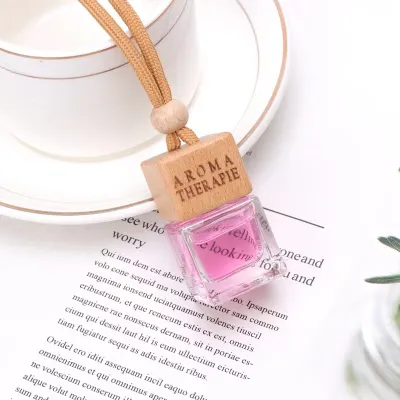
![[KIRONA SCENT] Mori Car Hanging Aroma Diffuser | Air Freshener & Perfume for Cars Wardrobes Gifts | Hotel Mall & Perfume Scents](https://img.lazcdn.com/g/p/dd423b2626f24f6202aa463c697a356b.png_400x400q80.png_.webp)



Prices are valid at publication and may change. Please refer to the product page for the latest price.
For a deeper, more grounding atmosphere reminiscent of high-end mountain resorts or exclusive day spas, look for rich woody bases. Sandalwood, cedarwood, and vetiver are the cornerstones of these sophisticated profiles. Sandalwood provides a creamy, warm depth, while cedarwood offers a clean, dry woodiness. Vetiver introduces an earthy, smoky complexity. These base notes are highly stable and linger in the cabin, providing a consistent sensory foundation that masks typical road odors.
To ensure the fragrance feels welcoming rather than heavy, luxury profiles incorporate bright citrus top notes like bergamot, grapefruit, and lemon. Bergamot is particularly prized in perfumery for its complex, spicy-floral citrus character. These top notes provide the initial burst of freshness when the vehicle’s air conditioning starts circulating. However, because citrus notes evaporate quickly, they must be anchored by subtle undertones of white musk or light amber. These fixatives extend the lifespan of the fragrance without causing olfactory fatigue during long drives.
Selecting Heat-Resistant Air Freshener Formats for Tropical Climates
In tropical regions where daily temperatures are consistently high, choosing the right physical format for your car air freshener is just as important as selecting the scent itself. Intense sunlight and cabin heat can drastically alter how a fragrance diffuses, and some formats can even pose a risk to your vehicle’s interior materials.

Car vent clips are highly effective for tropical climates because they leverage the vehicle’s air conditioning system. By placing the fragrance source directly in the path of the cool airflow, the scent diffuses evenly throughout the cabin. This setup keeps the air freshener housing relatively cool compared to items mounted on the dashboard or windshield, preventing the fragrance compounds from overheating and degrading prematurely.
For maximum heat resistance, solid balms, ceramic diffusers, and infused wood-block absorbers are excellent choices. Unlike liquid-based alternatives, these solid-state formats do not contain free-flowing liquids that can boil, leak, or shatter under extreme heat. Ceramic and wood-block diffusers absorb the fragrance oils deeply, releasing them slowly and steadily through natural evaporation, making them highly stable even when the car is parked in direct sunlight.
Conversely, liquid hanging ornaments present distinct risks in hot climates. The intense heat inside a parked vehicle can cause synthetic oils to expand, potentially leading to leaks. If these concentrated oils drip onto your dashboard, console, or steering wheel, they can permanently damage plastics, melt soft-touch coatings, or stain leather surfaces. Furthermore, rapid evaporation in high heat means liquid ornaments often lose their scent quickly, turning sharp or unpleasant within a few weeks.
Before purchasing any air freshener, always check the manufacturer’s packaging for temperature limits and material safety guidelines. Ensure the product is rated for automotive use in warm climates and verify that the mounting mechanism will not scratch or deform your vent slats or dashboard panels.
Reading Product Labels to Identify Authentic Hotel Fragrances
Finding a true hotel-inspired scent requires looking past generic marketing terms. When browsing online marketplaces or local automotive retail shops, reading the ingredient lists and product descriptions carefully will help you avoid low-quality options that fail to deliver the desired luxury experience.
Look for products that explicitly list complex scent combinations rather than generic labels like “new car,” “vanity,” or “ocean breeze.” Keywords such as “White Tea & Thyme,” “Sandalwood & Leather,” “Bergamot & Cedar,” or direct references like “Lobby Scent” are strong indicators of a more sophisticated formulation. These descriptions suggest a multi-layered fragrance pyramid with distinct top, middle, and base notes.
Avoid air fresheners that rely heavily on overly sweet, synthetic floral, or intensely fruity blends. Scents dominated by artificial vanilla, cherry, or heavy jasmine can quickly become cloying and overwhelming in the confined space of a car cabin, especially when combined with tropical humidity. A true luxury hotel scent is characterized by its restraint; it should whisper its presence rather than shout.
Whenever possible, opt for air fresheners that incorporate natural essential oil blends rather than purely synthetic, alcohol-based formulations. Alcohol-based sprays evaporate rapidly in warm weather, often leaving behind a sharp, sour chemical residue that smells nothing like a luxury lobby. Essential oils tend to diffuse more smoothly and maintain their structural integrity longer under heat. Additionally, check user reviews specifically for feedback from buyers living in warm regions to verify how well the scent holds up to daily heat exposure.
Optimizing Placement and Maintenance for a Balanced Scent
Even the finest luxury fragrance can fail to impress if it is poorly positioned or if the vehicle’s cabin is not properly maintained. Achieving a balanced, consistent scent throw requires strategic placement and regular interior upkeep.
Position your air freshener away from direct sunlight and airbag deployment zones. Placing a diffuser directly on top of the dashboard exposes it to intense ultraviolet rays, which accelerate fragrance degradation and can warp the product’s housing. More importantly, never mount any accessory on or near steering wheel covers, passenger-side dashboard panels, or pillar trim where airbags deploy. Consult your vehicle’s owner’s manual to identify safe mounting locations that will not interfere with safety systems.
If you are using a vent-clip format, use the adjustable louvers on your car’s vents to control the diffusion rate. During cooler morning drives, you can open the vents fully, while during hot afternoons, you might partially close the vent holding the clip to prevent the fragrance from overwhelming the cabin. This simple adjustment helps conserve the fragrance oil and extends the product’s lifespan.
No air freshener can successfully mask deep-seated cabin odors; in fact, mixing a luxury scent with musty air often produces an unpleasant combination. To ensure your hotel scent shines, address underlying odor sources first. Regularly vacuum your carpets, wash your rubber floor mats, and wipe down interior surfaces with a mild, material-safe cleaner. Crucially, inspect and replace your cabin air filter according to your vehicle manufacturer’s recommended service intervals, as a clogged or moldy filter will ruin any fragrance you introduce.
Finally, establish a realistic replacement schedule. In tropical climates, even high-quality solid balms and ceramic diffusers will typically need replacement or refilling every four to six weeks. Keeping a spare refill in a cool, dark place inside your home ensures you can seamlessly maintain that welcoming, five-star hotel ambiance every time you step into your car.
Frequently Asked Questions (FAQ)
Can I use my actual luxury hotel room spray in the car?
While it is tempting to spray your favorite hotel room mist directly into your vehicle, doing so is generally not recommended. Room sprays are formulated for large, open household spaces and often contain high concentrations of alcohol and water. In a confined, highly ventilated car cabin, these sprays evaporate almost instantly, offering a very fleeting scent throw. More importantly, the alcohol and solvent carriers in room sprays can mist onto delicate automotive surfaces, potentially causing permanent staining, cracking, or discoloration on leather seats, suede headliners, and soft-touch plastic dashboards. For safety and longevity, it is best to stick to purpose-built automotive diffusers.
Why does my car air freshener smell different or sour in hot weather?
Extreme heat and ultraviolet light inside a parked car can physically and chemically alter fragrance compounds. High temperatures accelerate the evaporation of light, volatile top notes like citrus and fresh herbs, leaving behind only the heavier base notes, which can then smell unbalanced or cloying. Additionally, lower-quality synthetic fragrance oils often degrade when exposed to intense UV rays, breaking down into sour or chemical-smelling byproducts. To prevent this distortion, choose heat-stable formats like solid ceramic or wood-block diffusers, and try to park in shaded areas or use a reflective windshield sunshade to keep cabin temperatures down.

Community discussion
Share your experience or ask a question. Comments are reviewed before publication.