
Choosing between a built-in car navigation system and a smartphone secured by a phone mount depends on your budget, your vehicle’s age, and how much you value a clean, integrated dashboard. For drivers who want a seamless cabin aesthetic and reliable offline maps without cluttering the windshield, a factory-installed navigation system is highly effective. Conversely, drivers seeking real-time traffic updates, instant map modifications, and a cost-effective setup will find that a high-quality phone mount paired with a modern smartphone offers unmatched flexibility and routing accuracy. Understanding how these two approaches perform under daily driving conditions is essential for making the right choice for your commute.
Daily Driving: Interface, Traffic, and Updates
Evaluating how each system handles daily navigation requires looking at how maps are updated and how real-time traffic data is integrated. Built-in car navigation systems typically rely on static map databases stored on internal hard drives or SD cards. Updating these maps often requires a physical visit to the dealership or purchasing an updated storage medium from the manufacturer, which can be slow, inconvenient, and costly. Because of this, drivers using factory systems may find themselves navigating with outdated road layouts, especially in rapidly developing urban areas.
In contrast, smartphone navigation apps update continuously in the background over cellular networks. These updates occur automatically and without user intervention, ensuring that new roads, temporary detours, and modified traffic rules are reflected on your screen almost immediately. This rapid update cycle makes smartphones highly reliable for navigating changing road networks.
Products mentioned in this guide
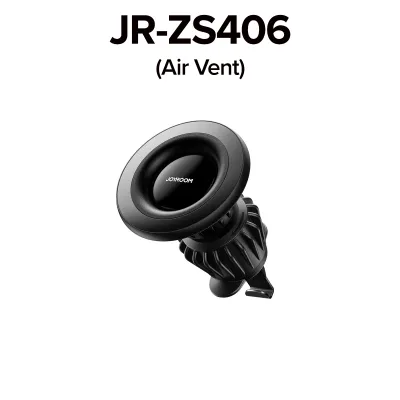
Prices are valid at publication and may change. Please refer to the product page for the latest price.
Real-time traffic integration is another area where the two systems diverge significantly. Built-in systems often use broadcast traffic protocols that can have slower refresh rates or limited coverage. Smartphones leverage crowd-sourced data from thousands of active users, providing highly accurate, minute-by-minute updates on congestion, accidents, and speed cameras. This allows mobile apps to offer dynamic rerouting that can save significant time during peak hours on major expressways.
Screen visibility and physical integration also play a major role in the daily driving experience. Built-in screens are typically larger, integrated directly into the dashboard, and designed by automotive engineers to minimize glare under direct sunlight. They are also wired directly into the vehicle’s electrical system, meaning they do not suffer from battery drain or overheating issues on hot days. Furthermore, built-in systems often integrate seamlessly with steering wheel controls and physical rotary dials, allowing drivers to adjust volume or zoom without taking their eyes off the road.
While smartphones offer highly responsive capacitive touchscreens, their displays are generally smaller than built-in dashboard screens. A phone mounted on the dashboard or windshield is also highly exposed to direct sunlight, which can cause the device to overheat, dim its screen, or shut down entirely during a long drive. However, the superior touch responsiveness and familiar interface of a smartphone often make entering destinations much faster than using a factory system’s physical dials or older resistive touchscreens.
Upfront Costs and Long-Term Value
The financial implications of choosing between a factory-installed system and a phone mount setup involve both immediate upfront costs and long-term maintenance expenses. Factory-installed navigation systems are often bundled into premium trim levels or sold as expensive optional packages that can add thousands of dollars to the purchase price of a new vehicle. For buyers on a budget, this represents a significant upfront investment for a single feature.

A high-quality phone mount, by comparison, is a minor investment. Excellent mounting solutions typically cost between S$15 and S$60, depending on the mounting mechanism and build quality. When paired with an existing smartphone and a standard mobile data plan, the ongoing operational cost is negligible, as most popular navigation apps are free to use and do not require paid subscriptions.
Long-term depreciation is another critical factor to consider. Automotive technology cycles move much slower than consumer electronics. A built-in navigation system that feels cutting-edge at the time of purchase can feel severely outdated within three to five years. As the vehicle ages, the manufacturer may stop supporting the hardware, leaving the owner with outdated maps and a sluggish interface that can reduce the vehicle’s resale appeal to tech-savvy buyers.
Smartphones, on the other hand, are upgraded or replaced every few years by the user for general personal use. This continuous upgrade cycle ensures that your navigation hardware remains fast, responsive, and compatible with the latest software features without requiring additional automotive investments.
Maintenance and repair costs also differ significantly between the two setups. If a built-in infotainment screen fails out of warranty, replacing or repairing the unit can cost hundreds or even thousands of dollars at an authorized service center. A broken phone mount can be replaced instantly at minimal cost. Additionally, some vehicle manufacturers charge annual subscription fees to maintain active map services or live traffic data on built-in systems after an initial trial period, adding to the long-term cost of ownership.
Cabin Setup, Safety, and Mounting Rules
The physical placement of your navigation display directly impacts driving safety, comfort, and compliance with local regulations. Built-in screens are positioned by automotive engineers to sit within the driver’s natural field of view while remaining low enough to avoid blocking the windshield. This central, integrated placement reduces eye strain, keeps the dashboard clean, and ensures that the screen does not interfere with the deployment of safety features like airbags.
When using a smartphone, the driver must select a suitable phone mount and determine the safest mounting zone. The mount must be positioned so that it does not obstruct the driver’s forward vision or block critical vehicle controls. It is vital to avoid placing mounts directly over airbag deployment zones, such as the center of the steering wheel or the passenger-side dashboard panel, as a deploying airbag can turn a mounted phone into a dangerous projectile.
Ergonomic reach is another key factor in cabin safety. A phone mounted too far away requires the driver to stretch, which can lead to a momentary loss of steering control. Vent mounts keep the phone within easy reach and avoid windshield obstruction, but they can block airflow and expose the device to hot air from the heater or condensation from the air conditioning. Suction mounts attached to the windshield or dashboard offer flexible positioning but must be secured with high-quality adhesive or suction mechanisms to prevent the phone from falling while driving over bumps.
Drivers must also ensure that any mounting solution complies with local traffic regulations regarding windshield obstructions. In Singapore, drivers must maintain a clear, unobstructed view of the road at all times. Mounting a large phone or tablet directly in the center of the windshield can block the driver’s view of pedestrians or low-lying hazards, potentially leading to safety violations.
Under local traffic laws, holding a mobile communication device while driving is a serious offense. Using a secure phone mount ensures the device is hands-free, but drivers must still refrain from typing destinations or searching for routes while the vehicle is in motion. All route planning should be completed before shifting the car into gear to ensure maximum safety on the road.
Which Setup Should You Choose?
Selecting the right navigation setup depends on your vehicle’s capabilities, your budget, and your personal driving habits. Each system offers distinct advantages that cater to different types of drivers.
Choose built-in navigation if:
- You prefer a clean, cable-free dashboard aesthetic and want to avoid cluttering your windshield or air vents with external hardware.
- You frequently drive through areas with poor cellular reception, such as underground tunnels or remote regions, where offline, satellite-based GPS tracking is more reliable than cellular data.
- Your vehicle's steering wheel controls and head-up display (HUD) are deeply integrated with the factory navigation system, providing turn-by-turn directions directly in your line of sight.
Choose a phone mount if:
- You prioritize real-time, crowd-sourced traffic alerts and dynamic rerouting to bypass daily congestion during peak hours.
- You want to avoid the high upfront costs of factory navigation packages and the ongoing fees associated with map updates.
- You drive multiple vehicles, such as rental cars or fleet vehicles, and need a portable navigation solution that can be transferred instantly.
Verify first if:
- Your vehicle supports smartphone projection systems like Apple CarPlay or Android Auto. This hybrid solution serves as an ideal middle ground, allowing you to run smartphone navigation apps directly on the car's built-in dashboard screen, combining the physical benefits of a factory display with the real-time data of a mobile device.
- You should also check the physical dimensions of your phone and the design of your car's dashboard or air vents before purchasing a phone mount to ensure a secure, wobble-free fit.
Frequently Asked Questions (FAQ)
Is it legal to mount a phone on the windshield in Singapore?
While there is no specific law banning windshield mounts outright, the Land Transport Authority (LTA) and Traffic Police require that the driver’s line of sight must not be obstructed. Any device mounted on the windshield or dashboard must be positioned low down or to the side so that it does not block the view of the road ahead. Drivers should verify current guidelines to ensure their setup remains compliant and safe.
Can I use both systems simultaneously?
Yes, some drivers choose to use both systems to manage different tasks. For example, you can use the built-in screen for media playback, radio controls, or vehicle settings, while keeping a mounted phone dedicated to real-time navigation and traffic alerts. When running a dual-display setup, it is important to manage audio routing carefully—such as connecting the phone via Bluetooth to the car’s speakers—to ensure voice prompts are clear. Most importantly, avoid interacting with either screen while the vehicle is in motion to prevent dangerous distractions.

Community discussion
Share your experience or ask a question. Comments are reviewed before publication.