
A dedicated motorcycle chain cleaner is only the first step in proper drivetrain maintenance. To build a complete and effective chain care kit, you must pair it with a compatible chain lubricant and the right mechanical tools. This guide outlines the essential products you need, how to select them based on your riding conditions, and how to use them together safely to extend the life of your chain and sprockets.
The Core Chain Care Trio: Cleaner, Lube, and Tools
Maintaining a motorcycle drivetrain requires a systematic approach where chemical and mechanical actions work in harmony. A motorcycle chain cleaner is specifically formulated to dissolve old, contaminated grease, road grime, and abrasive grit. Unlike generic degreasers, a dedicated chain cleaner is designed to break down these stubborn deposits without attacking or degrading the delicate rubber seals embedded between the chain links.
Applying a high-quality chain lubricant immediately after cleaning is a critical step that cannot be skipped. Once the cleaner has stripped away the old grease and dirt, the bare metal components of the chain are left exposed to friction and atmospheric moisture. The lubricant steps in to coat the rollers, side plates, and rubber seals, providing a protective barrier that prevents metal-on-metal wear, reduces operating temperatures, and wards off corrosion.
Products mentioned in this guide
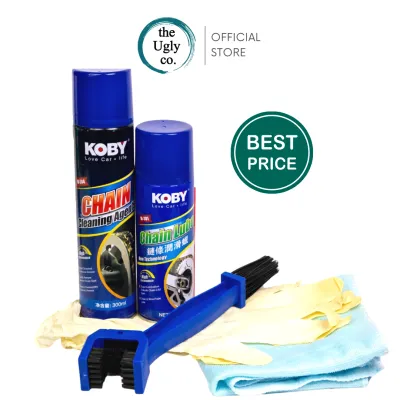
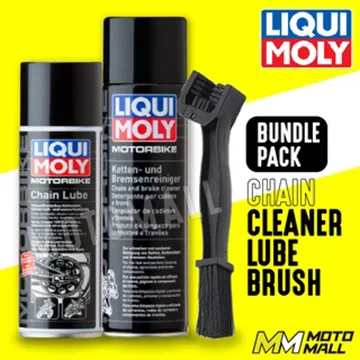
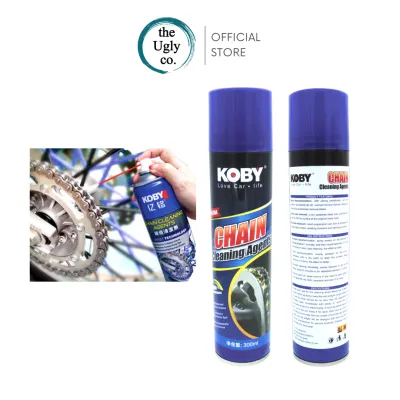
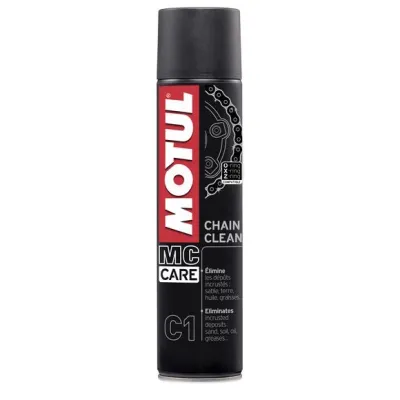
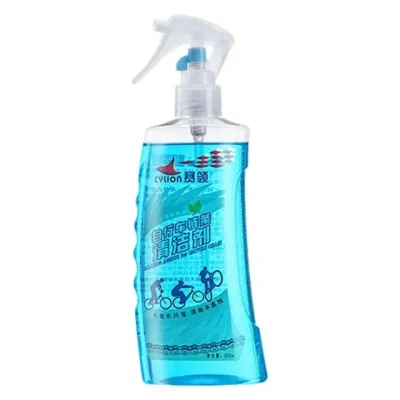
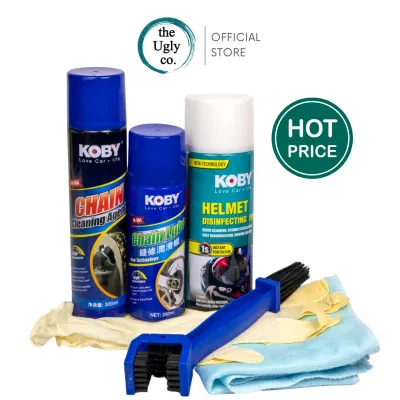
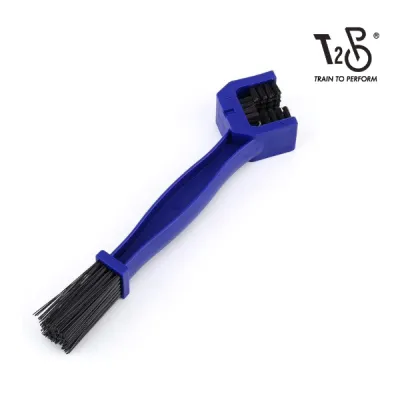
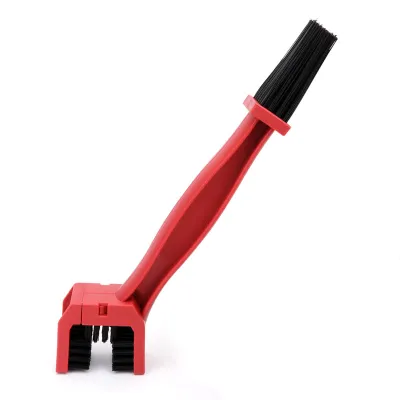
Prices are valid at publication and may change. Please refer to the product page for the latest price.
Chemical sprays alone are rarely enough to remove heavily compacted road grime. Mechanical agitation tools, such as specialized brushes, are necessary to physically lift and loosen debris from the tight clearances between the inner and outer links. By combining the chemical dissolving power of the cleaner, the physical scrubbing action of a brush, and the protective coating of a lubricant, you create a complete maintenance system that keeps your motorcycle running smoothly.
Selecting the Right Chain Lubricant for Your Riding Conditions
Choosing the correct chain lubricant requires evaluating your typical riding environment, local weather patterns, and the specific design of your motorcycle’s chain. Lubricants generally fall into three categories: wet, dry, and ceramic. Wet lubricants are heavy, oil-based formulas that offer excellent water resistance, making them ideal for wet climates and frequent tropical downpours. However, their sticky nature tends to attract road dust and sand, requiring more frequent cleaning intervals.

Dry lubricants, often formulated with wax or PTFE, go on wet but dry to a clean, non-sticky film. These are highly effective in dry, dusty environments because they do not attract airborne grit, which can otherwise form an abrasive grinding paste. Ceramic lubricants utilize advanced synthetic particles to provide long-lasting friction reduction under high-load conditions, serving as an excellent middle ground for performance-oriented riders who prioritize clean wheels and minimal fling-off.
Before purchasing any chemical product, always consult your motorcycle’s owner’s manual to verify the chain type. Modern motorcycles typically use sealed chains featuring O-ring, X-ring, or Z-ring configurations. These rubber rings seal factory-applied grease inside the chain pins. Using an incompatible lubricant or cleaner can cause these rubber seals to swell, crack, or disintegrate, leading to premature chain failure. Ensure the product label explicitly states compatibility with your specific seal type.
Additionally, pay close attention to the product’s advertised properties, such as fling-off resistance and water displacement. A good lubricant must adhere strongly to the rapidly spinning chain links without spraying off onto your rear tire or bodywork. Excellent water displacement is also vital for protecting the metal plates from rust after riding through puddles or washing your bike.
Essential Tools and Accessories for a Complete Kit
To apply your cleaners and lubricants effectively without creating a mess or compromising safety, you need to round out your kit with several practical tools. A dedicated chain cleaning brush is indispensable. Three-sided grunge brushes are highly popular because they allow you to clean the top, bottom, and sides of the chain links simultaneously, saving time and ensuring thorough coverage. For motorcycles with tight swingarm clearances or complex chain guards, a standard narrow-profile nylon bristle brush may be required to reach restricted areas.
When wiping down the chain, avoid using old cotton t-shirts or household rags that shed fibers. Stray threads can easily become caught in the sprocket teeth or wrap around the delicate rubber seals, causing hidden damage over time. Instead, opt for lint-free microfiber cloths or heavy-duty shop towels designed to resist tearing when dragged across metal edges.
Chemical overspray is a common issue during chain maintenance, posing a serious safety risk if it contacts your rear brake disc, brake pads, or tire tread. To prevent this, use a dedicated plastic splatter guard or place a large piece of cardboard behind the chain run to catch any drifting mist. A shallow oil catch pan placed directly beneath the lower chain run will collect dirty runoff and protect your driveway or garage floor from permanent stains.
Finally, consider investing in a rear paddock stand or a portable wheel roller. Elevating the rear wheel off the ground allows you to rotate the drivetrain freely by hand. This makes the application of both the cleaner and the lubricant significantly faster, more even, and much safer than attempting to move the motorcycle back and forth across a parking lot.
Step-by-Step Chain Maintenance Routine
Before applying any chemicals, perform a quick pre-cleaning inspection of the drivetrain. Check the chain tension against the specifications listed on your swingarm sticker or in your owner’s manual. Inspect the physical condition of the chain, looking for tight spots, frozen links, excessive rust, or cracked rubber seals. If the chain shows signs of severe uneven wear or missing O-rings, it may need to be replaced rather than cleaned.
Once the inspection is complete, place your catch pan and splatter guard in position. Spray the motorcycle chain cleaner generously onto the lower run of the chain while slowly rotating the rear wheel backward by hand. Allow the cleaner to dwell according to the manufacturer’s instructions—typically two to five minutes—to let the active ingredients penetrate the grime. Use your chain brush to scrub all sides of the links thoroughly, then use a clean, lint-free cloth to wipe away the dissolved sludge until the metal surfaces are completely dry.
With the chain clean and dry, it is time to apply the lubricant. Direct the spray straw of the aerosol can toward the inside of the lower chain run, aiming specifically at the gap between the inner and outer plates where the rubber seals are located, as well as the center rollers. Slowly rotate the rear wheel by hand to ensure an even, thin coat is applied along the entire length of the chain. Avoid over-applying, as excess product will only fling off during your next ride.
After application, allow the lubricant to cure. The solvents inside the spray need time to evaporate so the lubricating film can bond to the metal. Check the product label for the recommended curing time, which can range from fifteen minutes to several hours. For the best results, perform your chain maintenance after a ride when the chain is warm, and let the lubricant set overnight before riding again.
Products and Practices to Avoid
Using the wrong chemicals can permanently ruin a motorcycle chain in a matter of minutes. Never use harsh solvents such as gasoline, kerosene, acetone, or generic penetrating oils unless they are explicitly approved by your chain manufacturer. These aggressive chemicals can easily bypass or dissolve the rubber O-rings, stripping away the internal factory grease and causing the chain to seize or wear out rapidly.
Avoid using stiff wire brushes made of brass, steel, or carbon steel. While they may seem effective at removing tough rust, the metal bristles will scratch the protective plating on the chain side plates and tear the delicate rubber seals. Stick strictly to nylon-bristle brushes, which are tough enough to remove dirt but gentle enough to preserve the integrity of the chain components.
Over-lubricating is another common mistake that can do more harm than good. Applying too much product, or failing to wipe away excess wet lube, creates a sticky surface that acts like a magnet for road grit. This mixture forms an abrasive paste that grinds down your sprockets and chain rollers, accelerating wear far faster than a dry or lightly lubricated chain would experience.
Most importantly, observe strict safety boundaries during maintenance. Never, under any circumstances, clean or lubricate a motorcycle chain with the engine running or the motorcycle in gear. Attempting to rotate the chain using the engine’s power is extremely dangerous and can result in severe, irreversible finger or hand injuries if your hand or tool gets caught between the chain and the spinning sprocket. Always turn the engine off, place the transmission in neutral, and rotate the rear wheel manually.
Frequently Asked Questions (FAQ)
How often should I clean and lube my motorcycle chain?
As a general rule, you should clean and lubricate your motorcycle chain every 500 to 800 kilometers. However, you should always check your owner’s manual for the manufacturer’s recommended service intervals. If you frequently ride in wet weather, high humidity, or dusty off-road conditions, you will need to shorten these intervals to prevent rust formation and premature wear.
Can I use the same brush for cleaning and applying lube?
No, you should never use the same brush for both tasks. Any residual chain cleaner left on the bristles of your cleaning brush will immediately break down and neutralize the fresh lubricant you are trying to apply. Keep your cleaning tools completely separate from your lubrication process, and apply the lubricant directly from the aerosol can or with a clean, dedicated cloth.

Community discussion
Share your experience or ask a question. Comments are reviewed before publication.