
When addressing black car paint repair, it is essential to distinguish between physical correction and surface protection. Polish is the only method among the three that physically repairs paint by removing clear coat defects like scratches and oxidation. Wax and ceramic coating are protectants; they cannot repair physical damage but are crucial for enhancing gloss and shielding the paint after correction. For black vehicles, which easily reveal swirl marks and micro-scratches, a complete repair typically requires a sequential approach: polishing to restore the surface, followed by wax or ceramic coating to protect the finish.
Black paint possesses a highly reflective, mirror-like quality when pristine, but this same characteristic makes it unforgiving. Every microscopic scratch, swirl mark, and water spot stands out in sharp contrast against the dark background. Choosing the wrong treatment can waste time and money, or worse, permanently thin the clear coat of your vehicle. Understanding how these three distinct products interact with your car’s exterior is the first step toward achieving a flawless, deep-gloss finish.
Understanding Black Car Paint Damage and Repair Needs
Before selecting a product, you must diagnose the actual condition of your vehicle’s exterior. Black paint does not get damaged more easily than other colors, but it reveals imperfections far more readily. The high contrast between the dark pigment and the light reflecting off the edges of a scratch makes even minor micro-imperfections highly visible. Common issues include clear coat defects like swirl marks from improper washing, fine scratches, water spots from mineral deposits, and oxidation from UV exposure.
Products mentioned in this guide
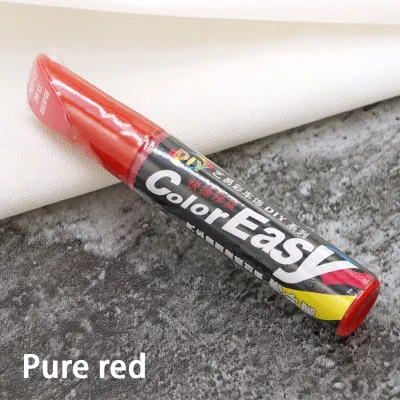
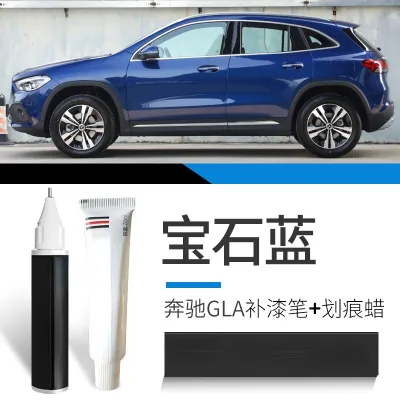
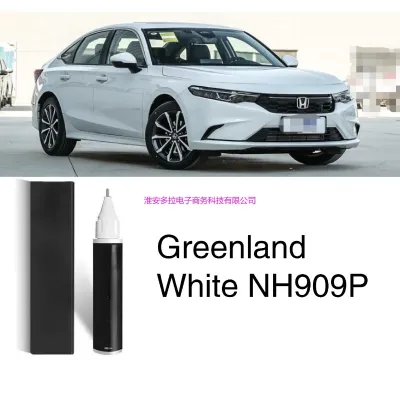
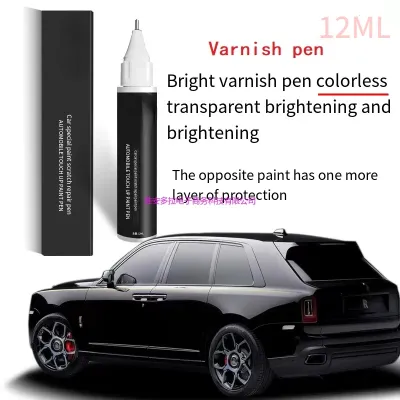
Prices are valid at publication and may change. Please refer to the product page for the latest price.
Environmental factors also play a significant role in paint degradation. In tropical climates with intense sunlight and frequent heavy downpours, black cars absorb more heat than lighter-colored vehicles. This elevated surface temperature accelerates the bonding of mineral deposits from rainwater, leading to stubborn water spots that can etch into the clear coat if left untreated. UV radiation also breaks down the clear coat faster, causing the paint to lose its deep luster and appear cloudy or grey.
These defects must not be confused with surface contamination, such as bonded road grime, tar, or iron particles. Contamination sits on top of the clear coat and can usually be removed with a clay bar or specialized chemical decontaminants. Clear coat defects, however, are physical depressions or damage within the clear coat layer itself.
To determine if physical cutting is necessary, you can perform a simple visual and tactile assessment. Run a clean fingernail gently across the scratch. If your fingernail catches in the groove, the scratch has penetrated past the clear coat and into the base coat or primer. Such deep scratches cannot be polished out safely and require professional paint touch-up or respraying. If your fingernail glides smoothly over the scratch without catching, the defect is shallow and resides entirely within the clear coat, making it a prime candidate for polishing.
Polish: The Physical Repair Method for Scratches and Oxidation
Polishing is the only true physical repair method among the three options. It uses mild abrasives suspended in a liquid medium to gently level the surrounding clear coat. By shaving down the microscopic peaks of the clear coat to match the depth of the scratch, polishing eliminates the edges that reflect light, thereby making the scratch disappear. This process restores a perfectly flat surface that allows light to reflect uniformly, producing a deep, mirror-like shine.

However, black paint is exceptionally sensitive to the polishing process itself. Improper technique, using an overly aggressive compound, or selecting the wrong pad can easily introduce new defects. These often appear as holograms, buffer trails, or micro-marring, which look like faint, greasy smears or rainbows under direct sunlight. To avoid this, you must carefully select the pad and compound aggressiveness based on the product labels and start with the least aggressive combination possible.
When executing a physical repair, the choice of equipment is just as important as the polish itself. Hand polishing can address very light oxidation or localized minor blemishes, but it rarely provides the uniform leveling needed to eliminate widespread swirl marks on black paint. Machine polishing using a dual-action orbital polisher is generally preferred for DIY enthusiasts because it distributes heat evenly and reduces the risk of burning through the paint. Rotary polishers, while highly effective at cutting, generate significant heat and should be reserved for experienced professionals who can manage the high risk of creating permanent buffer trails.
Safety boundaries are critical when polishing. Every polishing cycle removes a small amount of the clear coat thickness. Because the clear coat protects the underlying paint from UV damage and environmental degradation, over-polishing can lead to premature clear coat failure, which manifests as peeling or severe fading. Always follow the manufacturer instructions regarding speed, pressure, and pass count. If you are uncertain about the remaining paint depth, or if you are dealing with thin factory clear coats, consult a qualified professional detailer who can measure the paint thickness with a digital gauge before proceeding.
Wax vs Ceramic Coating: Protection and Visual Enhancement
While polish repairs the paint by removing material, wax and ceramic coatings serve a completely different purpose. They are protective barriers designed to shield the newly corrected surface from environmental hazards like UV rays, bird droppings, acid rain, and road grime. Neither wax nor ceramic coating can physically repair scratches or remove oxidation. Applying them to damaged paint will not fix the underlying issues.
For either protectant to perform effectively, they must be applied only after paint defects have been polished out, or on an already pristine surface. The bonding mechanisms of these products require a completely clean area. Any remaining polishing oils, dust, or wax residues will prevent proper adhesion. This necessitates a thorough cleaning and chemical decontamination process, often involving an isopropyl alcohol wipe-down, before applying the final protective layer.
Car Wax for Black Paint
Car wax is a traditional option that offers excellent visual enhancement, particularly for dark vehicles. Many car waxes contain natural ingredients like carnauba, which has a low refractive index. This property gives black paint a warm, deep, “wet” look that many enthusiasts prefer. Additionally, some waxes are formulated with specialized fillers that can temporarily mask very fine swirl marks by filling in the microscopic valleys, though this is a temporary cosmetic effect rather than a permanent physical repair.
It is also helpful to distinguish between natural carnauba waxes and synthetic polymer sealants, both of which are commonly referred to as waxes. Natural carnauba provides the ultimate warm glow but may only last a few weeks under harsh weather conditions. Synthetic sealants, made from engineered polymers, offer longer-lasting protection and better resistance to heat and detergents, making them a practical alternative for daily-driven black vehicles that face regular exposure to rain and sun.
When shopping, you can check product labels for dark or black-specific formulations. These products often include gloss-enhancing agents or darkening colorants designed to maximize the depth of dark paintwork. However, wax offers relatively low durability compared to modern coatings. You must verify the recommended application frequency and durability expectations on the specific product packaging, as environmental factors like high heat, humidity, and frequent washing will gradually strip the wax layer away.
Ceramic Coating for Black Paint
Ceramic coating represents a more advanced, semi-permanent solution for paint protection. These liquid polymers utilize silicon dioxide or similar compounds to chemically bond with the vehicle’s clear coat. Once cured, they form a hard, sacrificial barrier that provides exceptional hydrophobicity, causing water to bead and roll off effortlessly. This hydrophobic effect makes the vehicle much easier to clean and helps prevent water spots from bonding to the surface.
On black paint, a ceramic coating enhances the depth and gloss significantly, creating a sharp, glass-like reflection. However, because the coating is optically clear and highly reflective, it does not hide existing scratches. In fact, it will permanently lock in any remaining defects, making them even more noticeable under direct light. Therefore, complete paint correction through polishing is an absolute prerequisite.
The application process for ceramic coatings is highly sensitive to environmental conditions. High humidity and ambient temperatures can accelerate the flashing time of the coating, making it dry too quickly and increasing the difficulty of wiping away excess product. Additionally, the vehicle must remain completely dry during the initial curing phase, which typically requires keeping the car sheltered in a garage or covered area for at least twenty-four hours to prevent water spots from permanently forming in the uncured layer. Before applying, you must verify the curing times, layering requirements, and professional installation recommendations on the product label, as improper application can lead to high spots that require machine polishing to remove.
Comparison Matrix: Polish, Wax, and Ceramic Coating
To help you quickly determine the appropriate method for your vehicle, the following table outlines the core differences based on standard automotive detailing principles.
| Feature | Polish | Car Wax | Ceramic Coating |
|---|---|---|---|
| Primary Function | Physical paint correction and defect removal | Short-term protection and gloss enhancement | Long-term protection and hydrophobic barrier |
| Fixes Physical Scratches? | Yes (removes clear coat defects) | No (only temporarily masks fine swirls) | No (seals and highlights existing surface) |
| Visual Effect on Black Paint | Restores clarity, depth, and mirror-like reflection | Provides a warm, deep, "wet-look" gloss | Creates a sharp, high-gloss, glass-like shine |
| Required Preparation | Washing, decontamination, and surface drying | Washing, decontamination, and optional polishing | Washing, decontamination, polishing, and panel wipe |
| Durability | Permanent (until new scratches are introduced) | Short-term (refer to product label instructions) | Long-term (refer to product label instructions) |
How to Choose the Right Method for Your Black Car
Selecting the right approach depends entirely on a careful diagnosis of your vehicle’s paint condition, your available time, and your maintenance preferences. There is no single product that solves every issue, and a combination of methods is often required to achieve the best results.
You should choose Polish if your black paint exhibits visible scratches, swirl marks, oxidation, or a dull, hazy appearance. Polishing is the necessary first step to physically level the clear coat and restore the paint’s original clarity. Keep in mind that polishing must always be followed by a protective layer of wax or ceramic coating, as bare polished clear coat is highly vulnerable to environmental damage.
You should choose Wax if your paint is already in good condition or has been recently polished, and you prefer a straightforward, user-friendly application. Wax is ideal if you enjoy regular car maintenance, appreciate a warm, “wet-look” gloss, and want a cost-effective way to temporarily mask minor micro-swirls without committing to a complex application process.
You should choose Ceramic Coating if your paint has been thoroughly polished to a flawless finish and you want the highest level of long-term protection. This option is best if you want to minimize washing effort, protect against environmental contaminants, and are willing to invest the time and effort required for meticulous surface preparation and curing.
Before proceeding with any aggressive treatment, always verify the condition of your clear coat. If you are uncertain about the depth of a scratch, or if you suspect your paint has been polished multiple times in the past, consult a qualified automotive detailer. A professional can perform a non-destructive paint depth measurement to ensure there is sufficient clear coat remaining to safely support machine polishing.
Frequently Asked Questions (FAQ)
Can I apply wax or ceramic coating over scratched black paint?
Applying wax or ceramic coating directly over scratched black paint is not recommended. Because these products are designed to protect and enhance the surface, they will seal in any existing defects rather than repair them. Ceramic coatings, in particular, are highly reflective and optically clear, which can actually amplify the visibility of swirl marks and scratches under direct sunlight. To achieve a flawless finish, you must perform paint correction using a polish to remove the scratches before applying any protective layer.
How often should I polish black car paint?
Polishing should not be treated as a routine maintenance step or a regular part of your car washing schedule. Because polishing physically removes a micro-layer of your clear coat, doing it too frequently will eventually wear the clear coat down to the base paint, leading to irreversible damage. You should only polish your black car when visible defects, such as swirl marks or oxidation, become noticeable and require correction. To minimize the need for frequent polishing, focus on safe washing techniques, use high-quality microfiber towels, and maintain a strong protective layer of wax or ceramic coating.

Community discussion
Share your experience or ask a question. Comments are reviewed before publication.