
Choosing the best sunshade for your Honda Vezel requires balancing thermal performance, ease of use, and a precise physical fit. Because of the Vezel’s unique windshield curvature, steep rake angle, and the prominent sensor housing behind the rearview mirror, generic or universal sunshades often fall short. To protect your vehicle’s interior from intense tropical heat and damaging ultraviolet rays, a custom-fit sunshade designed specifically for your Vezel’s model year is highly recommended. These custom options provide edge-to-edge coverage, accommodate advanced safety sensors, and prevent heat from bypassing the barrier. When selecting a sunshade, prioritize multi-layer reflective materials, verify your vehicle’s exact generation, and choose a folding style that fits your daily cabin storage habits.
Why Windshield Fit and Sensor Clearance Matter for the Vezel
The Honda Vezel features a sweeping, aerodynamic front windshield with a steep slope that maximizes cabin light but also acts as a massive greenhouse entry point. In regions with high solar exposure, such as Singapore, this large surface area allows intense infrared radiation to heat up the dashboard, steering wheel, and front seats rapidly. Standard, rectangular universal sunshades cannot conform to this highly angled glass, leaving large gaps at the corners and along the dashboard line where heat can easily penetrate and warm the cabin air.
Beyond basic dimensions, the modern Honda Vezel relies heavily on its windshield-mounted technology suite. The Honda Sensing system utilizes a precision camera module mounted directly against the glass behind the rearview mirror. This housing is sensitive to both physical pressure and extreme heat buildup. A poorly fitting, generic sunshade that must be forced into place can exert upward pressure on this camera housing, potentially disrupting its alignment or damaging the mounting brackets.
Products mentioned in this guide

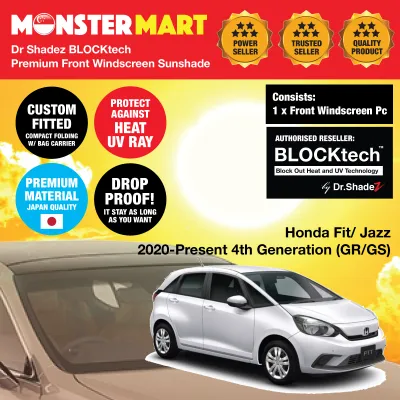
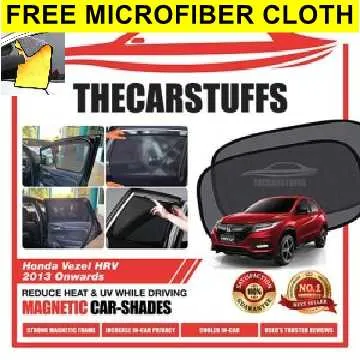
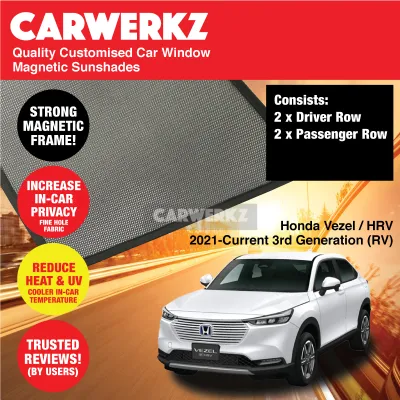
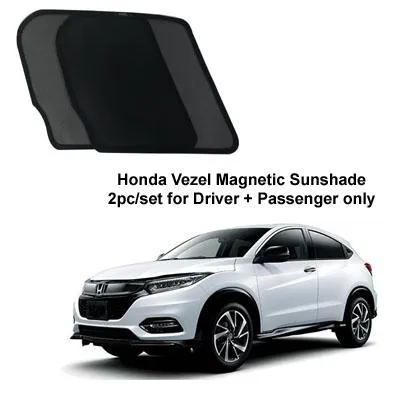
Prices are valid at publication and may change. Please refer to the product page for the latest price.
Furthermore, trapping extreme heat directly behind a dark, non-reflective sunshade fabric can raise the temperature within the sensor housing to levels that exceed the safe operating limits of the internal electronics. A dedicated custom-fit sunshade features a precise cutout designed to wrap around the rearview mirror stem and the Honda Sensing camera bracket. This design ensures that the reflective material sits flush against the glass to bounce heat away, while leaving the sensitive electronic housing uncompressed and isolated on the cooler side of the barrier.
Another critical interior component to consider is the Electronic Road Pricing (ERP) In-vehicle Unit (IU) or the newer On-Board Unit (OBU) touchscreen and antenna mounted on the windshield. In Singapore, these devices are permanently affixed to either the lower-right or upper-right section of the glass. A generic sunshade that does not account for these units can pull on their adhesive mounts during installation or removal. A properly sized custom or highly flexible sunshade allows you to position the barrier smoothly around these local electronic units without risking physical damage or peeling the adhesive tape from the glass.
What to Look for When Buying a Vezel Front Sunshade
Evaluating sunshades requires looking closely at material construction, structural design, and daily usability. Understanding these factors helps you select a product that provides long-term protection rather than a temporary, sagging solution.

Material and Heat Reflection
The efficacy of a sunshade depends primarily on its material layers. High-quality options utilize a multi-layer construction designed to address different types of heat transfer:
- Reflective Outer Layer: This layer typically consists of a high-grade metallized polyester film (PET) or a silver-coated reflective fabric. Its primary job is to reflect radiant heat (infrared light) and UV radiation back through the windshield before it can be absorbed by the cabin surfaces.
- Thermal Barrier Core: Beneath the reflective surface, a core layer of closed-cell foam or double-layered polyethylene bubbles acts as an insulator. This layer slows down conductive heat transfer, preventing the heat absorbed by the outer layer from radiating inward toward your dashboard.
- Protective Inner Layer: The side facing the cabin is usually a soft, non-abrasive felt or a durable dark fabric. This layer prevents the sunshade from scratching your dashboard or steering wheel during installation and provides a clean, neat appearance inside the car.
Cheap, single-layer bubble shades often degrade quickly under intense UV exposure, flaking off silver particles and losing their structural rigidity within a few months of daily use.
Coverage and Edge Design
To maximize heat rejection, a sunshade must cover the entire surface of the glass. Even small gaps around the A-pillars can allow localized hot spots to form, which can dry out and crack the leather wrapping on your steering wheel or cause the dashboard plastic to fade. Look for sunshades with reinforced, flexible rims or extended fabric edges that can be tucked slightly into the window pillars. Some premium custom-fit options feature magnetic strips along the outer edges to hold the shade flush against the metal frame of the windshield, eliminating light leaks entirely.
Storage and Convenience
A sunshade is only useful if you actually deploy it every time you park. If a shade is overly bulky, difficult to fold, or hard to store within the compact cabin of the Vezel, you are less likely to use it for quick parking stops. Consider the folded dimensions of the product. Rigid folding panels are highly effective but take up significant space, often requiring storage in the rear footwell or the boot. In contrast, flexible wire-frame shades twist down into a compact circle that can easily slide into the passenger seatback pocket or under the front seat.
Safety and Sensor Clearance
Always inspect the top-center design of the sunshade before purchase. The cutout must be deep enough to accommodate the bulky plastic housing of the Honda Sensing camera system without bending the main body of the shade. If the shade is too stiff and lacks a proper cutout, it will sit too far away from the glass, creating a pocket of trapped hot air that can radiate directly into the cabin and heat up the camera sensors. A secure hook-and-loop strap at the top of the cutout is an excellent feature, as it allows you to fasten the shade securely around the rearview mirror stem, keeping the top edge from sagging over time.
Top Sunshade Styles for the Honda Vezel Compared
Different drivers have different priorities when it comes to daily convenience, thermal performance, and budget. Comparing the three primary structural styles of sunshades helps you identify which design aligns best with your parking habits and storage preferences.
Custom-Fit Hard Folding Sunshades
Custom-fit hard folding sunshades are engineered specifically for the exact dimensions of individual vehicle models, including the different generations of the Honda Vezel. These shades feature rigid, heavy-duty panels that do not sag, droop, or distort even under extreme cabin temperatures.
- Pros: These shades offer the highest level of thermal insulation due to their thick, multi-layered foam cores. They fit perfectly into the corners of the windshield, providing complete edge-to-edge coverage with zero light leaks. Because they are rigid, they are incredibly easy to position against the glass; you simply unfold them across the dashboard and flip down the sun visors to secure them.
- Cons: The primary drawback is their physical size when folded. Because they do not compress or twist, they fold up like an accordion into a long, flat package. In the compact cabin of the Vezel, storing this long panel can be awkward, especially if you regularly carry front-seat passengers.
- Ideal User: This style is best for daily commuters who park in open-air, unshaded car parks (such as HDB open-deck parking) for long periods and prioritize maximum heat rejection to keep their cabin cool.
Universal Accordion-Fold Sunshades
Universal accordion-fold sunshades are widely available on online marketplaces and in automotive accessory shops. These are typically sold in standard sizes (such as Small, Medium, or Large) and feature a flexible, lightweight bubble-wrap construction with a silver reflective coating on both sides.
- Pros: These shades are highly budget-friendly, often costing a fraction of the price of a custom-fit alternative. They are lightweight, highly flexible, and easy to throw into the back seat when not in use.
- Cons: Because they are designed to fit a wide range of vehicles, they will not match the specific slope, width, or sensor housing of your Honda Vezel. You will likely experience significant gaps around the A-pillars and the rearview mirror. Over time, the intense heat will cause the thin plastic bubble material to soften, leading to sagging in the center, which allows heat to bypass the shade and directly warm the dashboard.
- Ideal User: This style is suitable as a temporary, low-cost backup shade or for drivers who parking primarily in covered, multi-story car parks and only occasionally require sun protection.
Retractable Roller Sunshades
Retractable roller sunshades are semi-permanently mounted systems that attach to one side of the windshield (usually the passenger side A-pillar) using high-strength suction cups or adhesive brackets. To use them, you simply pull the shade across the glass and hook it onto a small bracket mounted on the opposite pillar.
- Pros: This style offers unmatched daily convenience. There is no need to unfold, fold, or store a bulky panel every time you park; deployment takes only a single pull. When retracted, the shade rolls up into a slim, unobtrusive cylinder along the side of the windshield.
- Cons: Installation is more complex and requires careful positioning to avoid blocking the driver's forward vision. Under the intense, continuous heat of the Singapore sun, the suction cups or adhesive mounts can fail, causing the entire unit to fall off. Additionally, because the roller mechanism is straight, it cannot conform to the curved edges of the Vezel windshield, leaving noticeable gaps at the top and bottom corners. They can also physically interfere with dashcams or your ERP unit.
- Ideal User: This option is designed for drivers who value speed and convenience above all else and are willing to accept slightly lower thermal performance and a more involved installation process.
How to Verify Fit and Compatibility Before You Buy
Because the Honda Vezel has gone through multiple design iterations, purchasing a sunshade based solely on the name “Vezel” can lead to compatibility issues. Follow this practical checklist to ensure the product you purchase fits your vehicle perfectly.
Checking Model Years and Generations
The Honda Vezel has two primary generations that feature completely different windshield dimensions and sensor configurations:
- First Generation (RU Series, roughly 2014–2020): This generation has a highly swept-back, curved windshield. The Honda Sensing camera housing (if equipped) is relatively compact, but the overall glass area is wide at the base.
- Second Generation (RV Series, 2021–2026+): The second-generation Vezel features a more upright front-end design with a flatter, taller windshield profile. The Honda Sensing camera housing is significantly larger and more integrated into the upper center of the glass.
Always verify the chassis code or production year of your Vezel before purchasing. A sunshade cut for a 2016 RU1 model will not fit a 2023 RV5 model properly, as the older shade will be too short and wide, leaving massive gaps or failing to clear the updated sensor housing.
Reading Product Specifications and Measuring
If you are purchasing a semi-custom or premium universal shade, do not rely on generic sizing charts (such as “fits most compact SUVs”). Instead, take a physical measurement of your Vezel’s windshield from inside the cabin:
- Width at the Base: Measure along the bottom of the windshield, close to the dashboard, from the left A-pillar to the right A-pillar.
- Width at the Top: Measure along the top edge of the glass, just below the headliner.
- Height: Measure vertically from the center of the dashboard up to the headliner, right next to the rearview mirror stem.
- Sensor Depth: Measure the width and downward drop of the plastic housing behind your rearview mirror.
Compare these physical measurements against the exact dimensions listed in the product specifications. A proper fit should be within 1 to 2 centimeters of your measured dimensions to ensure adequate coverage without forcing the material against the interior trim.
Reviewing User Feedback and Forum Posts
When shopping on online marketplaces or browsing automotive forums, use specific search terms to filter user reviews. Search for keywords like “Vezel”, “HR-V” (the global nameplate for the Vezel), “Honda Sensing”, “mirror cutout”, or “sensor gap”. Look for photos uploaded by other owners showing the sunshade installed inside a Vezel. This real-world visual feedback is incredibly valuable for verifying whether the shade sags in the middle, clears the ERP unit, or leaves light leaks around the A-pillars.
How to Install, Fold, and Maintain Your Sunshade
Proper installation, handling, and maintenance will extend the lifespan of your sunshade and protect your Vezel’s delicate interior surfaces from accidental wear.
Correct Deployment
To get the most heat rejection out of your sunshade, always install it with the highly reflective (silver or white) side facing outward toward the sun. This ensures that radiant heat is bounced back out through the glass immediately.
- Slide the bottom edge of the sunshade deep onto the dashboard, pushing it as close to the base of the windshield as possible. Be careful not to snag the defroster vents or any mounted dashcam wires.
- Gently guide the top cutout around your rearview mirror and the Honda Sensing camera housing.
- Press the top edges of the shade flush against the upper corners of the windshield.
- Pull down both the driver and passenger side sun visors to press against the face of the sunshade, locking it securely in place.
Folding Techniques
Forcing a sunshade to fold against its natural seams can break the internal wire frames or crease the insulating foam, leading to permanent sagging.
- For Accordion and Hard-Panel Shades: Always fold the panels along the pre-creased lines. Do not roll them up or bend them diagonally, as this damages the structural integrity of the core insulation.
- For Twist-and-Fold Wire Frame Shades: Hold the shade by the outer edges on opposite sides. Twist your hands in opposite directions (one hand twisting away from you, the other toward you) while bringing your hands closer together. The wire frame will naturally collapse into three overlapping circles. Secure the folded shade immediately with the attached elastic strap to prevent it from springing open.
Cleaning and Maintenance
In humid, tropical climates like Singapore, the interior of a parked car can trap moisture, especially if you enter the vehicle while wet from rain. If you fold up a damp sunshade and store it in a dark, unventilated area (like under the seat or in the boot), mold and mildew can quickly develop on the fabric edges.
- Regular Cleaning: Wipe down both sides of the sunshade once a month using a clean, damp microfiber cloth. For stubborn dirt or dust, use a very mild soap solution. Never use harsh chemical cleaners, bleach, or abrasive scrubs, as these can strip away the reflective metallic coating.
- Drying: Always allow the sunshade to dry completely in a shaded, well-ventilated area before folding and storing it.
- Inspection: Regularly inspect the edges of the shade for frayed stitching or exposed wire frames. If a wire frame becomes exposed, replace or repair the shade immediately to prevent the sharp metal from scratching your windshield glass or tearing your dashboard leather.
Frequently Asked Questions (FAQ)
Will a sunshade block the Honda Sensing camera?
No, a sunshade will not block or interfere with the Honda Sensing camera during driving because the shade must be completely removed and stored before you operate the vehicle. When parked, a properly designed custom-fit sunshade will feature a cutout that sits around the camera housing. This design allows the shade to block heat from entering the cabin while keeping the camera sensor on the cooler, protected side of the barrier without applying physical pressure to the housing.
Can I use an HR-V sunshade for my Honda Vezel?
Yes, in most cases you can use an HR-V sunshade for a Honda Vezel, as these two vehicles share the same global platform, body panels, and windshield dimensions. However, you must ensure that the model years align perfectly (for example, matching a first-generation RU HR-V with a first-generation RU Vezel). Additionally, verify whether the sunshade is designed for left-hand drive (LHD) or right-hand drive (RHD) models, as the positioning of the rearview mirror bracket and the angle of the sensor cutout can sometimes be mirrored.
Do I need a sunshade for the rear windows as well?
While the front windshield is the primary source of solar heat entry, adding sunshades to your rear side windows and rear windscreen provides significant additional protection. Rear window shades, such as custom-fit magnetic mesh shades or static-cling films, help reduce overall cabin temperatures, lower the load on your air conditioning system, and protect rear passengers and leather upholstery from long-term UV degradation.

Community discussion
Share your experience or ask a question. Comments are reviewed before publication.