
Selecting the ideal sun shades for your BYD Atto 3 in Singapore is essential for maintaining cabin comfort and protecting the vehicle’s modern interior from intense tropical heat. With Singapore’s year-round high temperatures and strong ultraviolet radiation, the cabin of an outdoor-parked electric vehicle can quickly become uncomfortably hot. While the BYD Atto 3 features a stylish, high-tech cabin and a sweeping glass layout, these large glass surfaces also act as entry points for solar energy. Standard, off-the-shelf universal shades rarely provide the precise fit required to block out heat effectively, often leaving gaps or slipping out of place. To achieve optimal thermal insulation and protect sensitive interior materials like the synthetic leather seats and dashboard electronics, you must look for custom-fit solutions tailored specifically to the Atto 3’s unique dimensions.
Why the BYD Atto 3 Requires Custom-Fit Sun Shades
The BYD Atto 3 features a distinctive architectural design characterized by expansive glass surfaces, most notably its large panoramic sunroof. While this sunroof provides an open, airy feel to the cabin, it also serves as a major source of greenhouse-style heat buildup when parked under direct sunlight. Even though the vehicle comes equipped with a motorized fabric roller blind, many drivers find that this built-in shade is too thin to fully block the intense overhead heat typical of Singapore’s climate. Adding a dedicated, custom-fit physical sun shade beneath the glass panel creates a much-needed secondary thermal barrier.
Beyond the roof, the windshield of the Atto 3 is highly swept and features a complex curvature that meets a large central sensor housing behind the rearview mirror. This housing contains critical Advanced Driver Assistance Systems (ADAS) cameras and rain sensors. A universal, rectangular sun shade will either fail to cover the deep corners of the dashboard or press awkwardly against this sensor pod, potentially misaligning the housing or failing to stay in place. Custom-fit windshield shades are designed with precise cutouts that wrap neatly around the sensor console, ensuring complete coverage without putting physical pressure on sensitive safety equipment.
Products mentioned in this guide
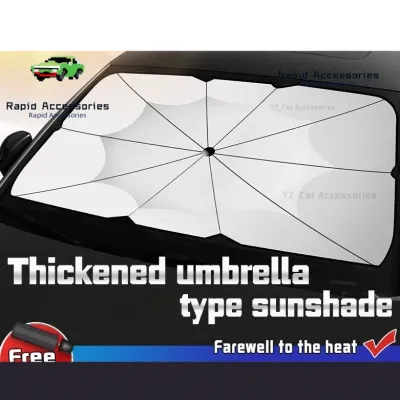
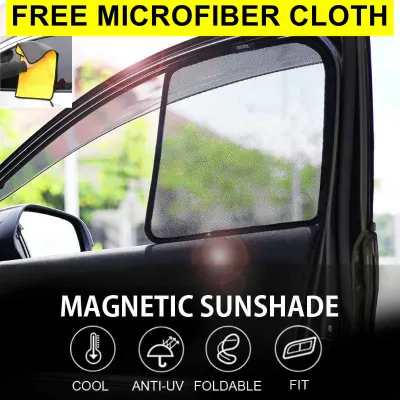
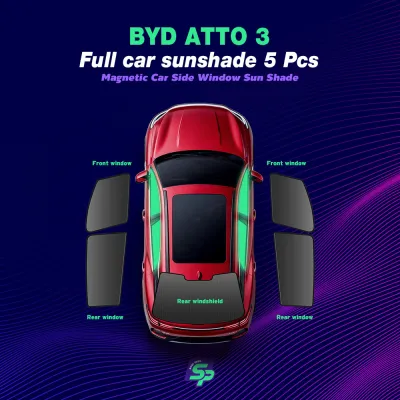
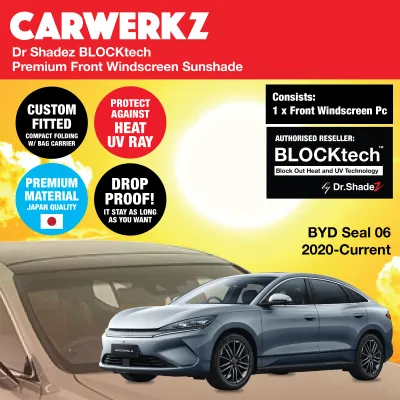
Prices are valid at publication and may change. Please refer to the product page for the latest price.
Similarly, the side windows and the rear passenger doors have specific geometric shapes, including the small rear quarter-glass panels. Universal suction-cup shades often leave significant perimeter gaps, allowing UV rays to penetrate and heat up the cabin unevenly. These gaps also expose the interior trim to localized sun damage over time. Custom-fit side shades utilize tension frames or magnetic mounts that snap directly into the window frames, providing edge-to-edge coverage that blocks light leaks and maintains a clean, integrated appearance.
Selection Criteria by Window Area
To build an effective heat-shielding system for your BYD Atto 3, it is best to evaluate each glass zone independently. The structural characteristics, mounting points, and functional requirements of the panoramic roof, windshield, and side windows differ significantly, meaning a one-size-fits-all material or design approach rarely works.

Panoramic Roof Shades
When selecting a sun shade for the panoramic sunroof, the primary challenge is managing gravity and preventing sag over a large horizontal span. Rigid frame designs that use high-tensile wire or lightweight carbon fiber rods are highly recommended because they maintain their shape and stay taut against the glass. These frames typically secure into the gap between the glass panel and the interior headliner using small, non-destructive plastic clips. This mounting method avoids the need for messy adhesives that can melt or degrade under high cabin temperatures.
You should also consider the balance between light transmission and heat rejection. Many premium panoramic roof shades feature a dual-layer design: a mesh layer that reduces glare while allowing some natural light to filter through, and a detachable silver-coated reflective sheet that blocks nearly all light and heat. During the hottest months in Singapore, keeping the reflective sheet installed provides maximum thermal protection, while the mesh-only configuration is ideal for overcast days or evening drives. Finally, ensure that the frame and clips do not obstruct the operation of the motorized roller blind or interfere with the overhead console and interior reading lights.
Windshield and Rear Window Shades
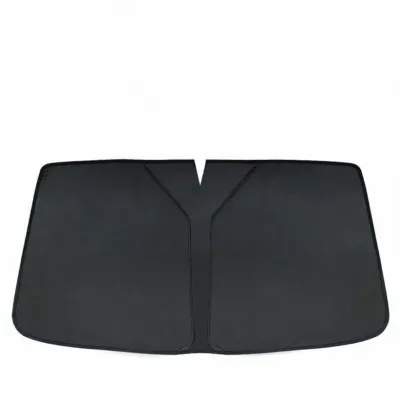
The front windshield shade is your primary defense when parking outdoors, making ease of deployment and storage critical. Foldable accordion-style shades made of thick, multi-layered reflective materials offer excellent heat rejection and can be quickly unfolded and secured using the vehicle’s sun visors. Roll-up designs are also available, though they can be bulkier to store when not in use. Whichever design you choose, verify that the top center of the shade features a deep, flexible cutout or a hook-and-loop strap designed to close securely around the rearview mirror and ADAS sensor housing.
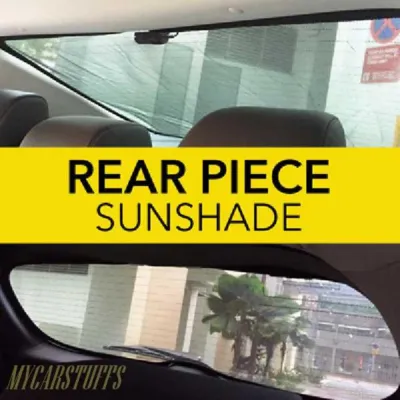
For the rear window, compatibility with the vehicle’s heating elements and visibility is paramount. The shade must fit snugly against the glass without rubbing against the defroster lines, which could cause wear over time. Because the rear window is crucial for driver visibility, any semi-permanent shade installed there must use a high-density mesh that reduces glare and heat without severely compromising your view through the rearview mirror, especially during night driving or heavy rain.
Side Window Shades
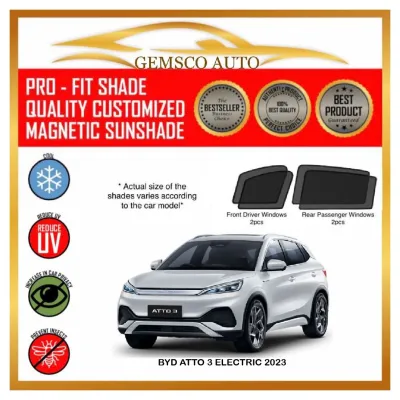
Side window shades for the BYD Atto 3 are generally available in three formats: static-cling films, magnetic mesh shades, and custom-fit rigid inserts. Magnetic mesh shades are highly popular for the Atto 3 because they snap directly onto the metal door frame rather than the glass itself. This design allows you to roll down the side windows to let fresh air in while keeping the shades firmly in place to block bugs and direct sunlight.
If you prefer a cleaner look, static-cling shades adhere directly to the glass using static electricity, but they must be removed if you want to open the window fully. When choosing side shades, ensure they offer complete edge-to-edge coverage, particularly around the rear door’s triangular quarter-glass. Any gaps around the window seals not only let in heat but also allow UV rays to degrade the synthetic leather upholstery on the door panels and seats.
Material and Design Comparison
The performance of a sun shade depends heavily on its material composition and structural design. For maximum heat rejection, reflective aluminum foil or silver-coated polyester is the industry standard. These materials work by reflecting solar radiation back through the glass before it can be absorbed by the cabin’s dark surfaces. However, these highly reflective materials are completely opaque, making them suitable only for stationary parking.
For driving conditions, high-density polyester mesh is the preferred material. Mesh shades reduce glare and block a significant portion of UV radiation while maintaining a degree of transparency, allowing passengers to see outside. When comparing mesh options, look for a tight weave pattern, which offers a better balance of heat reduction and visibility than loose, budget-grade meshes.
The structural design of the shade also dictates its durability and storage footprint. Accordion-fold and roll-up windshield shades are highly durable because they lack complex internal wires that can bend out of shape over time. However, they take up more storage space, often requiring placement along the door sills or in the trunk. On the other hand, collapsible wire-frame shades can be twisted and folded into a compact circle, easily fitting into the seatback pockets or the under-floor storage compartment of the Atto 3’s trunk. The trade-off is that frequent folding can eventually fatigue the internal spring steel wire, causing the shade to lose its tautness and sag.
Material safety is another critical factor to verify, especially in Singapore’s hot climate where interior cabin temperatures can exceed 60°C when parked in the open. Low-quality plastics, adhesives, and synthetic fabrics can off-gas harmful volatile organic compounds (VOCs) or emit unpleasant chemical odors when exposed to extreme heat. Look for shades made from odorless, high-temperature-resistant materials that do not use chemical adhesives or low-grade PVC backings.
How to Verify Fit and Coverage Before Buying
Because the BYD Atto 3 is sold globally under slightly different trim configurations, verifying product compatibility before making a purchase is essential. Start by cross-referencing the product listing with your specific model year and variant. While the overall body shape of the Atto 3 has remained consistent, minor interior updates or regional trim differences can affect the dimensions of the window frames, sensor housings, or sunroof tracks.
When shopping online, do not rely solely on generic stock photos. Look for customer-uploaded images and reviews that specifically show the shade installed in a BYD Atto 3. Pay close attention to the corners and edges of the windshield and side windows. If you see visible light gaps or sagging in user photos, it indicates that the shade’s frame is not perfectly contoured to the vehicle’s glass.
Additionally, always check the seller’s return and exchange policy. Since physical dimensions can sometimes vary slightly due to manufacturing tolerances, you want the flexibility to return or exchange the product if you discover a poor fit during your initial test installation. A reputable seller should offer a clear return window for unused items in their original packaging.
Sourcing Options and Local Purchasing Checks
Drivers in Singapore have several avenues for sourcing BYD Atto 3 sun shades, each with its own set of advantages. Purchasing directly from authorized BYD dealerships or specialized local automotive accessory shops ensures you receive a product designed specifically for the local right-hand drive (RHD) market. This is a crucial distinction, as some left-hand drive (LHD) variants sold in other countries may have mirrored windshield sensor cutouts or asymmetrical wiper patterns that do not align correctly with Singapore-spec vehicles.
If you choose to source shades from online marketplaces or global ecommerce platforms, read the product descriptions carefully to confirm RHD compatibility. Many international sellers list accessories under generic terms, so look for explicit confirmation that the product fits the Singapore or UK specification of the Atto 3.
Finally, prioritize sellers that offer local warranty or customer support. Having a local point of contact makes it much easier to resolve issues such as missing mounting clips for the panoramic roof shade, bent frames from shipping, or material defects. While importing shades directly might offer a slight cost saving, the peace of mind and ease of exchange provided by local distributors often outweigh the initial price difference.
Frequently Asked Questions (FAQ)
Will a windshield sun shade block the ADAS cameras on the BYD Atto 3?
No, a properly designed custom-fit windshield sun shade will not block or interfere with the ADAS cameras or rain sensors. These sensors are mounted flush against the windshield glass inside a sealed plastic housing located behind the rearview mirror. High-quality custom shades feature a dedicated cutout or a flexible collar that fits around this housing, allowing the shade to sit securely against the glass without pressing on or obstructing the camera’s field of view. Avoid using universal shades that force you to wedge the material behind the mirror, as this can put unnecessary stress on the sensor housing.
Can I leave the panoramic roof shade installed while driving?
Yes, custom-fit panoramic roof shades are specifically designed to remain installed while the vehicle is in motion. Because they use secure tension frames and dedicated mounting clips that slide into the headliner gaps, they stay firmly in place even when driving at highway speeds or over uneven road surfaces. However, before setting off, always double-check that all mounting clips are fully engaged and that the shade is taut. This prevents any annoying rattles or sagging that could distract you or partially block your view through the rear window.

Community discussion
Share your experience or ask a question. Comments are reviewed before publication.