
The best car hook for dashboard storage is a low-profile, heat-resistant adhesive hook or a secure seam-wedge hook that keeps small items organized without obstructing the driver’s line of sight or interfering with airbag deployment zones. Selecting the right accessory requires balancing convenience with safety, material compatibility, and cabin ergonomics. In hot tropical climates like Singapore, where interior cabin temperatures can soar when parked outdoors, understanding how different mounting styles and materials perform is essential to prevent damage to your vehicle’s interior.
While the market offers various designs, not every car hook is suitable for dashboard installation. A poorly chosen hook can damage delicate leather surfaces, fail under high heat, or become a dangerous projectile during sudden braking. By evaluating your dashboard layout, choosing the correct mounting mechanism, and adhering to strict safety guidelines, you can find an organizing solution that keeps your essential items secure and within reach.
Evaluating Dashboard Space and Sightlines Before You Buy
Before purchasing a car hook, you must carefully assess the geometry and layout of your dashboard. Modern vehicle dashboards are rarely flat; they feature complex curves, sloping angles, and varying depths designed to optimize cabin space and aerodynamics. A hook designed for a flat surface will not adhere correctly to a curved dashboard, leading to premature adhesive failure. Take time to run your hand along the intended mounting area to identify flat sections or natural seams that can accommodate an accessory.
Products mentioned in this guide
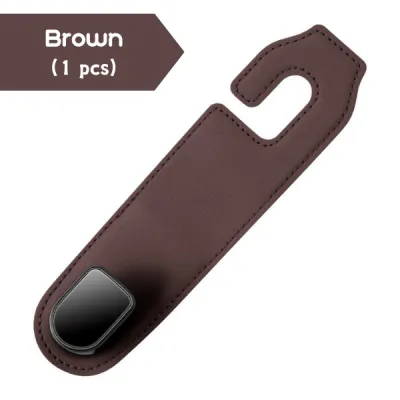
![[SG Ready Stock] Car Hook Seat Hanger Car Accessories Hooks](https://img.lazcdn.com/g/p/9fca59118a235eb6671ebbbf4480a005.jpg_400x400q80.jpg_.webp)
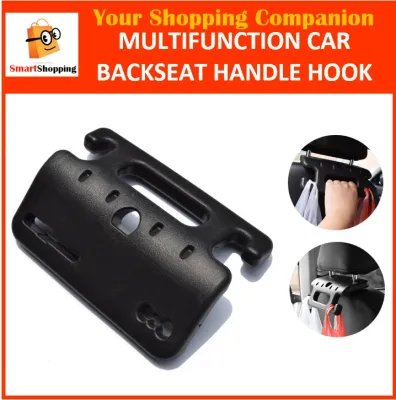
![[SG STOCK] 2/4 Pcs Universal Car Seat Hanger Hook Holder](https://img.lazcdn.com/g/p/e6027d8aeb82ad0d076aef7c18d1a70b.jpg_400x400q80.jpg_.webp)
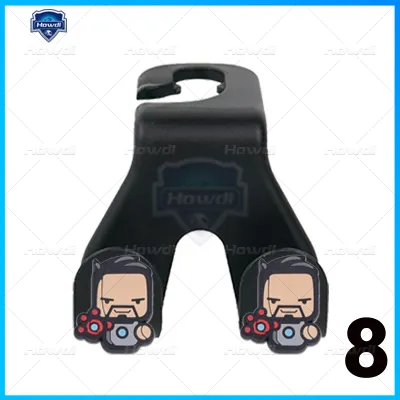
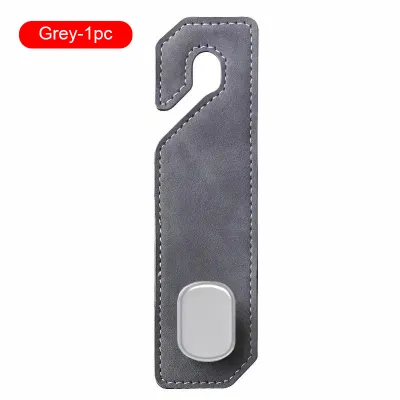
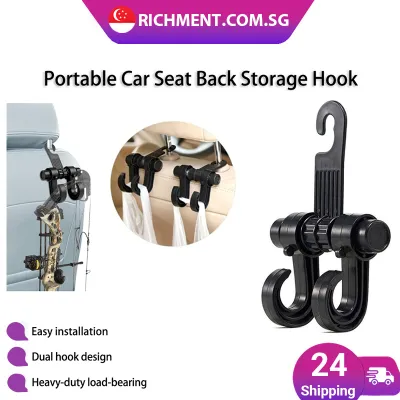
Prices are valid at publication and may change. Please refer to the product page for the latest price.
Maintaining clear sightlines is the most critical factor when placing any accessory on the dashboard. The area directly in front of the driver, extending from the steering wheel to the base of the windshield, must remain completely unobstructed. When evaluating a mounting location, sit in your normal driving position and check if the hook—or the items hanging from it—will block your view of the road, the instrument cluster, or the side mirrors. Even a minor obstruction can create dangerous blind spots, especially during tight turns or when navigating busy pedestrian crossings.
Windshield clearance and glare are additional factors that depend heavily on the profile of the hook. Extended-reach hooks that protrude upward can catch reflections from the sun, creating distracting glare on the inside of the windshield. Furthermore, if a hook is positioned too close to the glass, hanging items may knock against the windshield during transit, potentially scratching the glass or causing irritating rattling noises. Opting for a low-profile hook that sits flush against the dashboard surface minimizes these visual and physical distractions.
Finally, consider the visual distraction of moving objects within your peripheral vision. Human eyes are naturally drawn to movement. If you hang items like face masks, charging cables, or keys from a prominent dashboard hook, they will swing back and forth as you accelerate, brake, and turn. This constant motion in your peripheral vision can mimic external hazards, leading to driver fatigue or delayed reaction times. To prevent this, plan to mount hooks in lower, recessed areas of the center console or dashboard trim rather than high up on the main dashboard panel.
Choosing the Right Mounting Style for Your Interior Materials
Selecting a car hook with the appropriate mounting style is essential for ensuring a secure hold and protecting your vehicle’s interior surfaces. Dashboard materials vary widely, ranging from hard textured plastics and soft-touch vinyl to premium leather and wood veneers. Each material reacts differently to adhesives, pressure, and mechanical clips, meaning a mounting style that works perfectly in one vehicle could cause permanent damage in another.

Adhesive mounts are highly popular due to their versatility and ease of installation. However, their performance depends heavily on the type of adhesive used and the texture of the dashboard. Acrylic-based pressure-sensitive adhesives generally offer excellent shear strength, but they require a smooth, clean surface to form a complete bond. Textured dashboards, which mimic the grain of leather, reduce the contact area available for the adhesive, significantly lowering its holding capacity. Additionally, the intense heat inside a car parked under the sun can soften standard adhesives, causing the hook to slide off and leave a sticky, hard-to-clean residue.
Clip-on and visor mounts offer an alternative that avoids adhesives entirely. These hooks typically clip onto air vents, dashboard seams, or the sun visor. While convenient, they have strict physical limits. Visor clips must have adequate padding, such as soft silicone or high-density foam, to prevent leaving permanent indentations on leather or vinyl visors. Furthermore, clipping heavy items to air vent slats can crack the delicate plastic louvers or damage the internal directional adjustment mechanisms. Always verify that the clip’s tension is appropriate for the mounting point and will not deform the material over time.
Slot or seam wedges represent a specialized mounting style that utilizes the natural panel gaps in your dashboard assembly. These hooks feature a thin, rigid tab that slides directly into the seams between dashboard trim pieces. When designed correctly, seam wedges provide a highly secure, adhesive-free hold that blends seamlessly with the vehicle’s interior design. However, installation must be approached with caution. Forcing a wedge into a gap that is too tight can pry the dashboard panels apart, break the hidden plastic retaining clips behind the trim, or cause permanent squeaks and rattles. Never force a wedge mount into a seam; if it does not slide in with gentle pressure, seek an alternative mounting location.
Matching Hook Designs to Your Small Item Storage Needs
Once you have determined the optimal mounting location and style, you can select a hook design that matches the specific items you plan to store. Choosing a design tailored to your daily carry items ensures that they remain secure, organized, and easy to access without cluttering the cabin or creating safety hazards.
Retractable and Foldable Hooks
- Purpose: Ideal for drivers who want a clean, uncluttered dashboard appearance when the hook is not in use.
- Mechanism: These hooks feature a hinged design that allows the hook arm to fold flat against the base when empty.
- Safety Benefit: Minimizes the risk of physical injury or snagging clothing during cabin cleaning or sudden movements.
- Best For: Hanging temporary items like light shopping bags, face masks, or charging cables.
Multi-Slot and Cable-Organizing Hooks
- Purpose: Designed specifically to manage multiple small items and electronic accessories simultaneously.
- Mechanism: Features multiple small slots or channels alongside a primary hook, allowing you to route cables neatly.
- Safety Benefit: Prevents charging cables from tangling around the gear shifter, handbrake, or steering column.
- Best For: Securing USB cables, wired earphones, sunglasses straps, and key rings.
Specialized Holders and Rigid Clips
- Purpose: Engineered to hold specific, rigid items securely in place without allowing them to swing.
- Mechanism: Utilizes spring-loaded clips, magnetic mounts, or custom-shaped cradles rather than a traditional open hook.
- Safety Benefit: Keeps heavy or rigid items like smartphones and sunglasses completely stationary during sharp turns.
- Best For: Mobile phones, toll cards, sunglasses, and garage remote controls.
By matching the hook design to your specific storage needs, you avoid overloading the accessory and ensure that your items remain exactly where you put them. For example, using a dedicated cable-organizing hook prevents long cords from dangling into the footwell, where they could potentially interfere with the accelerator or brake pedals—a critical safety hazard that must be avoided at all costs.
Crucial Safety and Installation Checks for Dashboard Accessories
Installing accessories on or near your dashboard requires strict adherence to safety protocols to protect both the vehicle’s occupants and the interior materials. The dashboard houses critical safety systems, most notably the passenger-side airbag and, in some vehicles, knee or curtain airbags. Any object placed in the path of a deploying airbag can cause severe injury or prevent the safety system from functioning correctly.
First and foremost, you must identify and strictly avoid airbag deployment zones. Airbags deploy with immense explosive force in a fraction of a second. If a car hook or a hanging item is positioned on or near an airbag cover—typically marked with “SRS Airbag” lettering—it can be launched into the cabin as a high-velocity projectile during a collision. Consult your vehicle’s owner manual to locate the exact boundaries of all airbag deployment zones, and ensure that your hooks and hanging items are placed well outside these areas.
Weight limits must be respected to prevent mechanical failure and projectile risks during sudden braking or collisions. Most dashboard hooks are rated for very light loads, typically under 500 grams. Exceeding this limit puts excessive stress on the adhesive or clip mechanism. During a sudden stop or a sharp turn, an overloaded hook can detach completely, sending both the hook and the heavy item flying across the cabin. This can distract the driver, strike passengers, or slide under the pedals, creating an immediate driving hazard.
Proper surface preparation is key to achieving a secure bond and preventing damage to your dashboard materials. Before applying any adhesive hook, the mounting surface must be thoroughly cleaned to remove dust, finger oils, and interior protectants. Many dashboard dressings contain silicone, which prevents adhesives from bonding. Clean the area using a mild soap solution or a dedicated interior cleaner that is safe for your specific dashboard material. Avoid using harsh solvents like acetone or high-concentration isopropyl alcohol on delicate soft-touch plastics or leather, as they can cause permanent discoloration, melting, or peeling.
When it comes time to remove or reposition an adhesive hook, hasty pulling can tear soft-touch vinyl, lift leather dye, or leave a stubborn, unsightly residue. To remove a hook safely, apply gentle heat to the adhesive base using a hairdryer on a low setting to soften the glue. Once warmed, use a plastic trim removal tool or a piece of dental floss slid behind the base to slowly slice through the adhesive bond. Any remaining residue can be gently rubbed away using a microfiber cloth dampened with a mild, material-safe adhesive remover, ensuring your dashboard remains in pristine condition.
Frequently Asked Questions (FAQ)
Can I use a dashboard hook to hang a heavy handbag?
No, you should not use a dashboard hook to hang a heavy handbag. Dashboard hooks are designed exclusively for lightweight items such as keys, cables, sunglasses, or light trash bags. Hanging a heavy handbag—which often weighs several kilograms—exceeds the weight limits of adhesive and clip-on mounts. This excessive weight can cause the hook to fail, potentially tearing the dashboard material or pulling trim panels out of alignment. Furthermore, a heavy bag hanging near the dashboard will swing significantly during turns and braking, creating a major distraction and potentially interfering with your ability to operate the gear shifter or steering wheel safely. For heavy bags, utilize dedicated headrest hooks or place them securely on the cabin floor.
Will adhesive hooks damage a leather or soft-touch dashboard?
Yes, there is a high risk of damage when applying adhesive hooks to leather, vinyl, or soft-touch dashboard materials. The strong chemical adhesives used on these hooks can bond permanently to the delicate top layers of leather or soft-touch coatings. Over time, exposure to high cabin temperatures can cause the adhesive to degrade and chemically fuse with the dashboard surface. When you attempt to remove the hook, the adhesive may pull away the leather dye, tear the vinyl skin, or leave a permanent sticky residue that cannot be cleaned without damaging the material. If your vehicle features a leather or soft-touch dashboard, it is highly recommended to use non-adhesive alternatives, such as seam-wedge mounts or padded visor clips, to preserve the integrity of your interior.
How do I stop items on my dashboard hook from swinging while driving?
To prevent items from swinging and causing distractions while driving, you can employ several practical stabilization techniques. First, choose low-profile or retractable hooks that keep items flush against the dashboard surface, minimizing the pendulum effect. For items like charging cables or keys, you can apply a small piece of hook-and-loop fastener (Velcro) or a reusable silicone gel pad to the dashboard directly behind where the item hangs; this secures the bottom of the item and keeps it stationary. Additionally, avoid hanging items with long straps or cords. Keeping the hanging length as short as possible naturally reduces the range of motion, ensuring a quiet, distraction-free cabin environment.

Community discussion
Share your experience or ask a question. Comments are reviewed before publication.