
Choosing between a beaded seat mat and a breathable mesh seat cover in Singapore’s intense heat and humidity depends on your driving habits, comfort preferences, and vehicle interior. Neither option is a universal winner. Beaded mats excel at creating a physical air gap that allows maximum ventilation directly behind your back, making them highly effective for rapid cooling. On the other hand, breathable mesh covers offer a balanced combination of moisture-wicking fabric, secure grip, and a modern aesthetic that blends seamlessly with contemporary car cabins. Understanding how these two accessories manage heat, support your posture, and interact with your car’s safety features is key to making the right choice for your daily commute.
How Beaded Mats and Mesh Covers Manage Heat
Standard car seats, especially those upholstered in synthetic leather or heavy vinyl, act as heat sinks. When you sit, your body heat becomes trapped against the non-porous surface, leading to sweat and discomfort. Both beaded mats and mesh covers aim to break this cycle, but they do so through entirely different physical mechanisms.
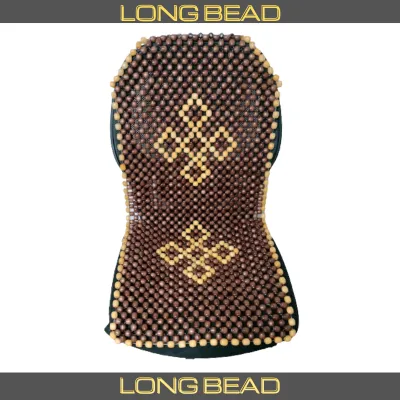
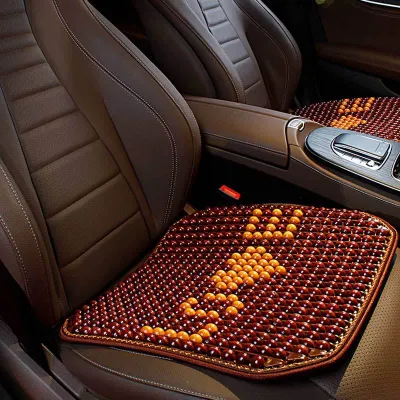
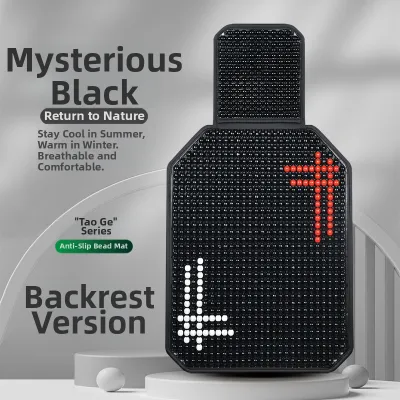
Beaded mats operate by creating a distinct physical gap between your body and the seat upholstery. Typically constructed from wooden, bamboo, or plastic beads strung together with heavy-duty cord, these mats lift your body slightly off the seat surface. This elevation creates a network of open channels where ambient cabin air can circulate freely. When you turn on your car’s air conditioning, the cool air can flow through these gaps, carrying away trapped heat before it can cause sweating.
Products mentioned in this guide
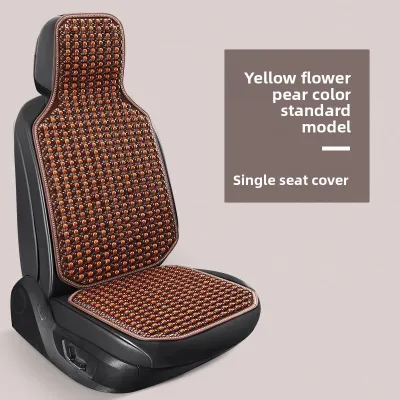
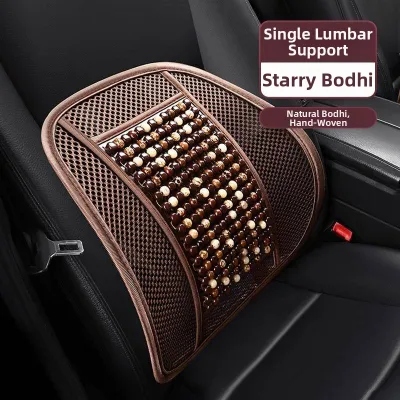
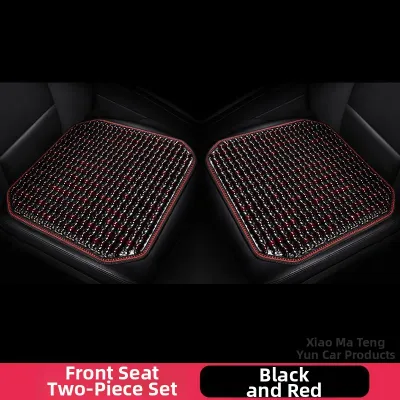
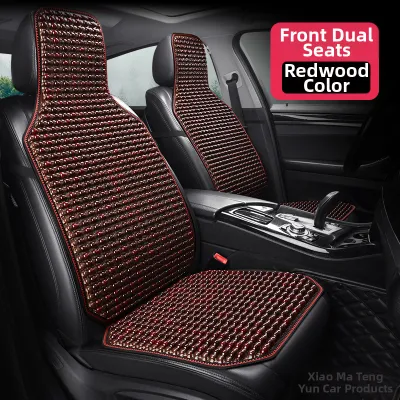
Prices are valid at publication and may change. Please refer to the product page for the latest price.
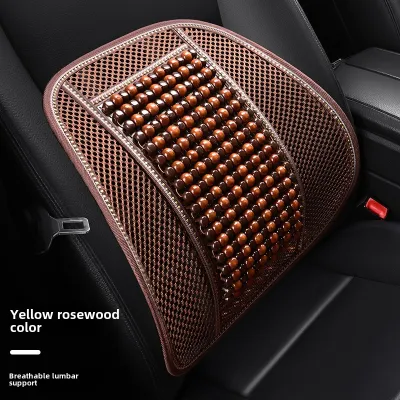
Breathable mesh covers rely on material porosity and passive ventilation rather than a large physical gap. These covers are made from woven synthetic fabrics, such as polyester or nylon, featuring thousands of microscopic or visible perforations. Instead of lifting you off the seat, the mesh material absorbs and dissipates heat by allowing air to pass through the fabric fibers. This design relies heavily on the breathability of the weave to let heat and moisture escape into the cabin air.
The overall cooling efficiency of both options is heavily influenced by your vehicle’s air conditioning system and the underlying seat material. If your car has non-porous leather seats, a beaded mat provides a more immediate barrier because it prevents direct contact with the hot leather. If your car has fabric seats, a mesh cover can integrate more naturally, enhancing the fabric’s existing breathability. In both cases, directing your air conditioning vents toward the lower cabin can help maximize the cooling effect of these accessories.
Comparing Airflow and Moisture Control
When evaluating airflow, the physical air gap of a beaded mat generally provides more continuous ventilation than a mesh cover. Because the beads are rigid, they do not compress under your body weight, ensuring that the air channels remain open even during long drives. This constant air gap is particularly beneficial in Singapore’s high humidity, where still air quickly becomes saturated with moisture, leading to a sticky feeling.

Mesh covers, while highly breathable, do compress under your weight. The level of airflow they provide depends on the thickness and density of the mesh weave. High-quality 3D mesh covers utilize a spacer fabric that resists compression to some degree, but they still offer less open space for air circulation than a beaded mat. However, mesh covers excel in moisture management. The synthetic fibers are designed to wick sweat away from your skin and spread it across a larger surface area for faster evaporation.
In contrast, wooden or plastic beads are completely non-absorbent. While they prevent sweat by keeping you cool, any moisture that does form will not be absorbed by the beads. Instead, it must evaporate through the air channels or be wiped away. This makes beaded mats highly practical for quick cleanups, but it means they do not offer the active moisture-wicking properties of a high-performance fabric mesh.
Environmental conditions also dictate which accessory performs better. In direct, intense sunlight where the cabin temperature rises rapidly, a beaded mat prevents your back from making contact with a scorching seat surface. In highly humid conditions where you are already sweating before entering the vehicle, a mesh cover’s ability to wick moisture can feel more immediately comfortable, whereas a beaded mat relies entirely on the car’s air conditioning to dry the air in the cabin.
Tactile Comfort and Driving Ergonomics
The physical sensation of sitting on these accessories is one of the most significant differentiators. Beaded mats provide a firm, textured surface that offers a distinct massaging effect. As you shift your weight during turns or acceleration, the individual beads press gently into your back and thighs, which some drivers find highly therapeutic and effective at reducing fatigue. However, this texture is highly subjective; other drivers may find the firm, uneven surface uncomfortable or distracting, especially on longer journeys.
Mesh covers offer a much more traditional, cushioned feel. They provide a smooth, uniform surface that conforms to your body shape without creating pressure points. If you prefer a soft, padded seat that feels like an extension of your car’s original upholstery, mesh is the clear choice. It provides a subtle layer of cushioning that can make firm seats feel more forgiving during daily commutes.
Grip and stability are also critical for driving ergonomics. Beaded mats, particularly when placed on smooth leather seats, can sometimes slide or shift during cornering if they are not secured properly. This shifting can affect your driving posture and require frequent adjustments. Mesh covers generally offer a more secure, tailored fit. Many designs feature non-slip backings or comprehensive strapping systems that wrap around the entire seat, keeping the cover firmly in place even during spirited driving.
For driving fatigue, the choice depends on your personal preference for support. The firm support of a beaded mat can help keep you alert and promote better posture by preventing slouching. Conversely, the soft, uniform support of a mesh cover is often preferred for long-distance highway driving where minimizing pressure points is the primary goal. For short, frequent city trips with constant stop-and-go traffic, the quick cooling of a beaded mat often outweighs other comfort considerations.
Seat Protection, Maintenance, and Compatibility
Beyond comfort, you must consider how these accessories interact with your car’s interior and safety systems. Installation is one area where beaded mats hold a distinct advantage. Most beaded mats are designed as universal, drop-in overlays that drape over the headrest and lay flat against the seat back and cushion. They can be installed or removed in seconds, making them highly convenient if you share a vehicle or want to use the mat only during the hottest months.
Mesh covers often require a more involved installation process. Because they are designed to look like original upholstery, they frequently feature elastic straps, hooks, and tuck-in anchors that must be secured under and behind the seat. While this results in a much cleaner, custom-like appearance, it requires more effort to install and remove.
Cleaning routines also differ significantly between the two materials. Beaded mats are incredibly low-maintenance. Because they do not absorb liquids or dust, they can be cleaned simply by wiping them down with a damp cloth or shaking them out to remove loose debris. Mesh covers, being fabric-based, tend to trap dust, hair, and spilled liquids over time. To keep them clean, you will need to vacuum them regularly or remove them entirely for hand-washing or machine-washing, depending on the manufacturer’s care instructions.
Safety is the most critical factor when choosing any seat accessory. Many modern vehicles are equipped with side-impact airbags embedded within the front seat backrests. If you choose a full-coverage mesh cover, you must verify that it is explicitly labeled as airbag-compatible. These covers feature specialized, weakened seams designed to tear open instantly if the airbag deploys. A non-compatible cover can delay or block airbag deployment, posing a severe safety risk. Beaded mats, which typically cover only the center section of the seat, generally do not interfere with side airbags, but you must still ensure that the mounting straps do not obstruct any deployment zones.
Additionally, if your vehicle features factory-ventilated seats, you must check compatibility. A thick mesh cover can restrict the airflow from the built-in seat vents, rendering the system less effective. Similarly, while a beaded mat allows air to flow, you must ensure the backing or straps do not block the intake vents located under or behind the seat. Always consult your vehicle’s owner’s manual and the accessory manufacturer’s instructions to verify compatibility before installation.
Decision Framework: Which Should You Choose?
To make the right choice for your vehicle, consider your primary comfort goals, aesthetic preferences, and safety requirements.
Choose a beaded seat mat if:
- Your primary goal is maximum physical airflow to combat severe sweating.
- You prefer a firm, massaging texture that promotes an upright driving posture.
- You want a highly portable, universal solution that can be installed or removed in seconds.
- You prefer a low-maintenance accessory that can be cleaned with a simple wipe-down.
Choose a breathable mesh seat cover if:
- You want a sleek, integrated look that matches your car's modern interior design.
- You prefer a soft, cushioned, and uniform seating surface without pressure points.
- You require excellent lateral grip and stability to prevent sliding during cornering.
- You are willing to perform regular vacuuming or washing to maintain fabric cleanliness.
Before making any purchase, always verify your vehicle’s specific configurations. Check if your seats have integrated side airbags, and only purchase covers that are certified as compatible. Inspect your seat upholstery; if you have delicate leather, ensure the accessory has a soft backing or use a protective layer to prevent friction wear. By matching these factors to your driving environment, you can enjoy a cooler, more comfortable commute through Singapore’s heat.
Frequently Asked Questions (FAQ)
Will wooden beaded mats damage leather car seats?
Wooden beaded mats can potentially cause wear on leather seats due to friction and movement while driving. To minimize this risk, inspect the beads before installation to ensure they have a smooth, high-quality varnish with no rough edges. You can also place a thin, non-slip protective cloth or felt liner between the mat and the leather seat to absorb friction. Regularly remove the mat to inspect the leather for any signs of micro-scratches, indentation marks, or finish wear, and clean any trapped grit that could act as an abrasive.
Can I use a mesh seat cover over built-in ventilated seats?
You can use a mesh seat cover over ventilated seats, but you must select a highly porous design to avoid blocking the airflow. Look for lightweight, single-layer mesh covers specifically designed to allow air to pass through easily. Before purchasing, check that the cover’s mounting straps and solid fabric panels do not block the seat’s built-in air intake or exhaust vents, which are typically located on the underside or rear of the seat. Consult your vehicle owner’s manual for any specific warnings regarding aftermarket seat covers on ventilated seats.

Community discussion
Share your experience or ask a question. Comments are reviewed before publication.