
Singapore’s tropical climate, with high humidity and temperatures frequently exceeding 30 degrees Celsius, makes car interiors incredibly hot, especially after parking in open-air lots. Finding a seat cushion that keeps you cool during your daily commute involves understanding how different materials manage heat transfer and ventilation. While no single aftermarket accessory guarantees absolute cooling, bamboo, mesh, and leather each handle airflow and heat retention in distinct ways. Bamboo cushions rely on physical gaps between beads to promote passive ventilation, mesh utilizes synthetic weaves to encourage breathability, and leather tends to absorb and retain ambient heat. Choosing the right option requires balancing these physical properties against your vehicle’s safety features and your personal comfort preferences.
Understanding How Seat Cushion Materials Manage Heat
To make an informed choice, it is helpful to look at the physical mechanisms of heat transfer—conduction, convection, and radiation—and how they interact with bamboo, mesh, and leather.
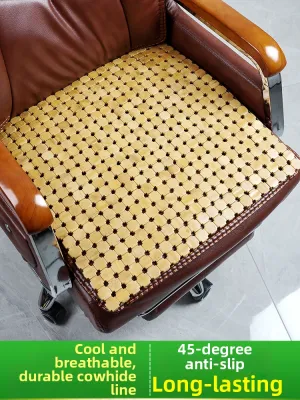
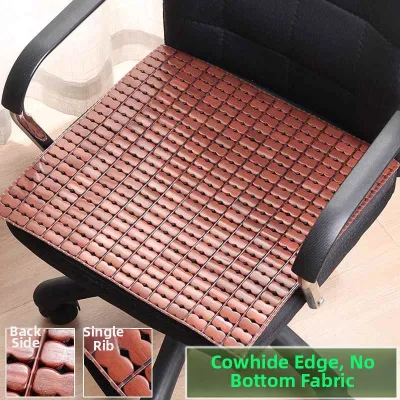
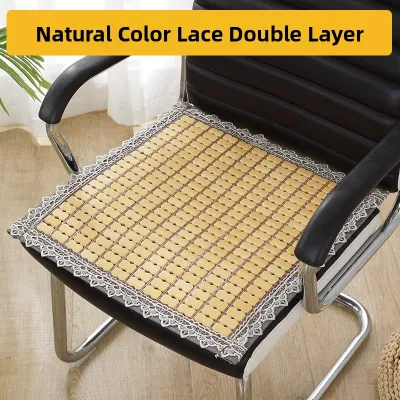
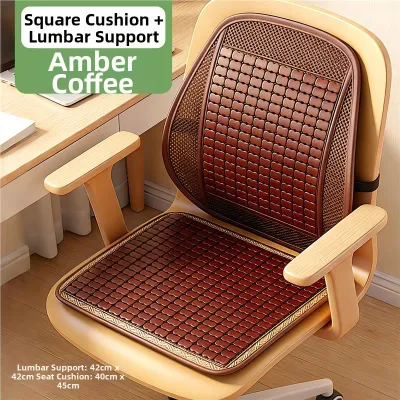
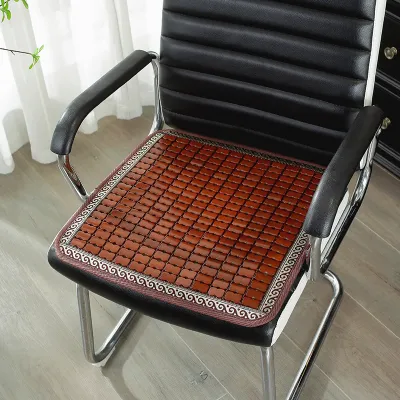
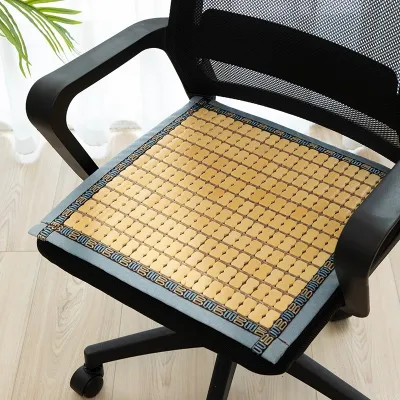
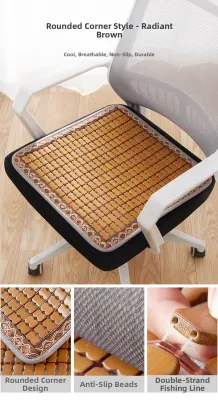
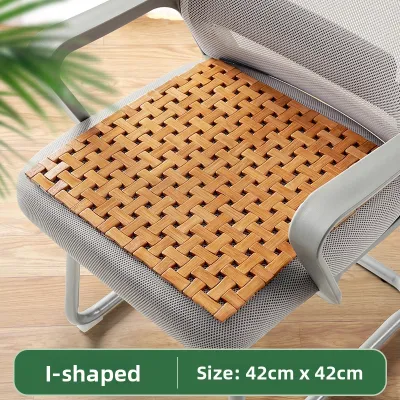
Bamboo seat cushions are typically constructed from individual polished wooden beads or slats linked together by heavy-duty monofilament lines or woven cords. This design does not rely on material breathability; instead, it creates a physical, elevated barrier between your body and the seat upholstery. The gaps between the beads allow air to circulate via passive convection, preventing heat from becoming trapped directly beneath you.
Products mentioned in this guide
Prices are valid at publication and may change. Please refer to the product page for the latest price.
Mesh cushions utilize synthetic woven fabrics, often made of polyester or nylon, stretched over a supportive frame or padded core. These materials are engineered with open-weave patterns designed to facilitate moisture transfer and airflow. When you sit on a mesh cushion, your body heat is intended to escape through the porous spaces in the weave, while the synthetic fibers work to wick away sweat.
Leather, whether genuine or synthetic polyurethane (PU), features a dense, non-porous surface structure. While highly durable and aesthetically premium, leather acts as a thermal mass. It naturally absorbs radiant heat from direct sunlight through the windshield and retains body heat via conduction during long drives. Without active ventilation, a solid leather surface offers minimal airflow, often leading to a warm, humid seating experience in Singapore’s climate.
Evaluating Bamboo Seat Cushions for Daily Driving
Evaluating a bamboo seat cushion for your daily drive in Singapore requires looking closely at its structural design and how it feels during extended use. The primary benefit of a bamboo bead cushion is its physical airflow design. Because the beads are rounded and spaced apart, they lift your body slightly off the seat surface. This elevation creates a continuous ventilation layer, allowing air from your car’s air conditioning system to pass underneath you, which can significantly reduce the “sweaty back” effect during afternoon trips.

However, this structural design introduces distinct comfort trade-offs. Unlike padded fabric or foam alternatives, bamboo cushions present a firm, hard surface. The individual beads press against your body, which some drivers find therapeutic or massaging, while others may find it uncomfortable or fatiguing during longer journeys along the Pan Island Expressway (PIE) or East Coast Parkway (ECP). If you prefer a plush, contouring seat, the rigid nature of bamboo may require an adjustment period.
Maintenance is another practical factor to consider. Bamboo cushions are relatively easy to clean; a quick wipe with a damp cloth is usually sufficient to remove surface dust or sweat. However, because they are constructed from multiple moving parts, you must regularly inspect them for wear and tear. Over time, the connecting nylon lines can degrade due to UV exposure and friction, potentially leading to broken links or loose beads. Additionally, you should check the beads periodically for any splinters or sharp edges that could snag your clothing or scratch your car’s original upholstery.
Comparing Mesh and Leather Alternatives
When contrasting mesh and leather alternatives against bamboo, the differences in flexibility, breathability, and maintenance become clear. Mesh cushions offer a middle ground between the firmness of bamboo and the heat retention of leather. They provide a flexible, springy support structure that contours to your body shape while maintaining a degree of airflow. However, the cooling efficiency of a mesh cushion depends heavily on the density of its synthetic weave. If the mesh is too tightly woven or backed by thick, non-breathable foam padding, it can trap body heat and moisture, limiting its effectiveness in high humidity.
Leather cushions, on the other hand, prioritize interior aesthetics, durability, and a premium cabin feel over active cooling. While a high-quality leather seat cover or cushion looks sophisticated, it is highly susceptible to solar heat gain. If your car is parked in an unsheltered open-air car park in Singapore, the leather surface can quickly reach uncomfortable temperatures. Even with the air conditioning running, it takes time for the dense material to cool down, and prolonged contact with your body will inevitably cause heat to build up.
Cleaning and care routines also vary significantly across these three materials. Mesh fabrics are prone to trapping dust, lint, and crumbs within their open pores, often requiring vacuuming or hand-washing with mild detergent to keep them fresh. Leather demands regular conditioning with specialized leather care products to prevent drying, cracking, and fading under intense UV rays. Bamboo remains the simplest to maintain, requiring no specialized chemicals—only a simple wipe-down—though it lacks the soft, luxurious feel of leather and the cushioned flexibility of mesh.
Safety and Compatibility Checks Before Installation
Before purchasing or installing any aftermarket seat cushion, you must verify its compatibility with your vehicle’s safety systems and interior features. The most critical safety boundary involves side airbag deployment. Many modern vehicles feature side airbags embedded within the outer bolsters of the front seats. If your chosen cushion uses thick straps, elastic bands, or full-wrap covers that wrap around the sides of the seat backrest, they can obstruct or delay the deployment of these airbags in an accident. Always consult your vehicle owner’s manual and inspect the cushion’s mounting design to ensure it does not cover any marked airbag deployment zones.
Additionally, you must consider how the cushion interacts with built-in seat climate controls. If your vehicle is equipped with factory seat heaters or active seat ventilation systems, placing a thick, solid, or heavily padded cushion on top can block the air vents and thermal sensors. A solid bamboo cushion or a dense mesh pad will restrict the airflow coming from ventilated seats, rendering the factory system ineffective. Check the alignment of the cushion’s structure with your seat’s ventilation holes before installation.
Upholstery protection is another vital check, particularly for vehicles with delicate leather or light-colored fabric seats. Many aftermarket cushions feature non-slip rubberized backings or silicone dots designed to keep the cushion from sliding as you get in and out of the car. Under Singapore’s high cabin temperatures, these rubberized materials can degrade, melt, or transfer color, leaving permanent stains or sticky residues on your original seats. Constant friction from hard bamboo beads or rigid mesh frames can also cause premature wear, scuffs, or deep indentations on soft leather upholstery.
Decision Framework: Choosing the Right Material for Your Commute
To finalize your choice, evaluate your daily driving habits, parking conditions, and comfort preferences against this conditional framework:
Choose a bamboo seat cushion if you prioritize maximum physical air gaps to combat high humidity, prefer a firm and structured seating surface, and want a low-maintenance option that is easy to wipe clean.
Choose a mesh seat cushion if you require a flexible, padded feel that contours to your body, prefer a lightweight accessory, and are willing to vacuum or wash the fabric periodically to remove trapped dust and sweat.
Choose a leather seat cushion if you prioritize a premium interior aesthetic, value long-term material durability, and primarily park in shaded or sheltered car parks where solar heat buildup is minimized.
Before making any purchase, always verify your vehicle’s specific configuration. Check if your seats have integrated side airbags, active ventilation systems, or specialized upholstery warranties that might restrict the use of aftermarket covers. Taking these precautions ensures your drive remains both cool and safe.
Frequently Asked Questions (FAQ)
Do bamboo seat cushions damage leather car seats?
Yes, hard bamboo beads can potentially damage soft leather upholstery through friction, pressure points, and sharp edges. To prevent indentations and scuffs, look for bamboo cushions that feature a smooth, fabric-padded backing or a protective lining on the underside. Alternatively, you can place a thin, soft microfiber cloth between the bamboo cushion and your leather seat to act as a protective barrier. Regularly remove the cushion to inspect the leather underneath and wipe away any accumulated dust or grit, which can act as an abrasive under your body weight.
Can I use a cooling seat cushion with built-in seat ventilation?
Using an aftermarket cooling cushion over factory-ventilated seats is generally not recommended, as it typically restricts the system’s built-in airflow. Thick mesh or solid bamboo structures block the air vents integrated into the seat upholstery, preventing the cool air from reaching your body. If you want to use a cushion, verify that its design features wide, open gaps that align perfectly with your seat’s ventilation holes. Always consult your vehicle owner’s manual for specific manufacturer restrictions regarding aftermarket seat accessories and ventilated seating systems.

Community discussion
Share your experience or ask a question. Comments are reviewed before publication.