
Choosing the coolest seat cushion for driving in Singapore depends heavily on your daily parking habits and how your vehicle’s cabin manages airflow. While bamboo, gel, and mesh cushions all offer distinct cooling mechanisms, no single material acts as an active air conditioner on its own. Instead, their performance relies on how they dissipate body heat, resist solar heat absorption, and interact with your car’s air conditioning system.
To make an informed decision, drivers must look beyond marketing claims of instant cooling. Understanding the physical properties of these materials, how they recover from intense cabin heat, and how they impact driving safety will help you select the right accessory for your daily commute.
How Bamboo, Gel, and Mesh Materials Handle Tropical Heat
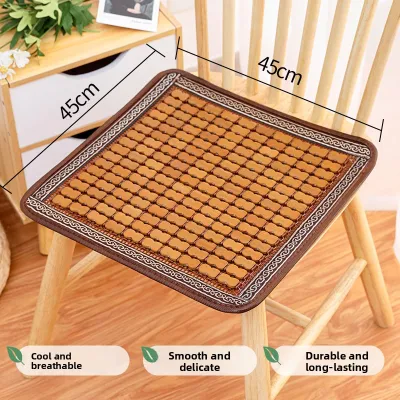
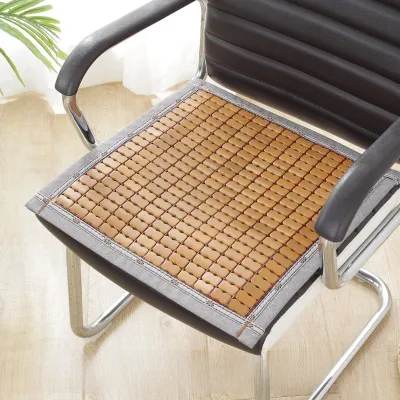
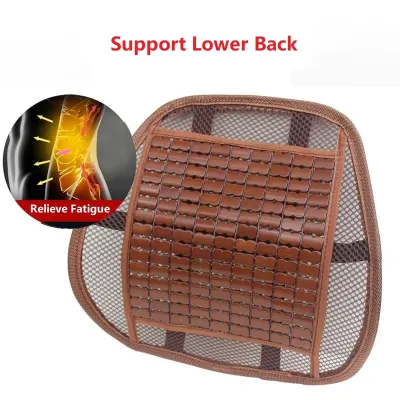
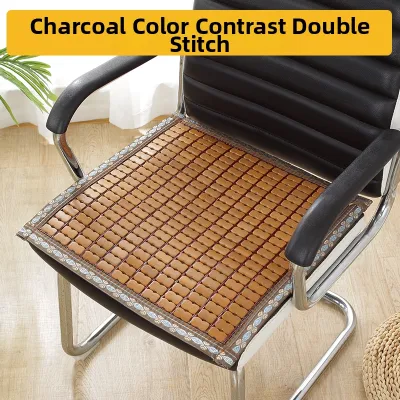
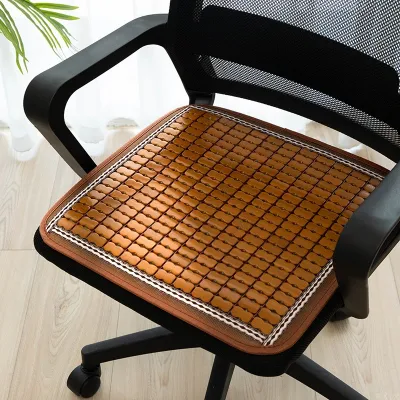
Bamboo seat cushions rely on a traditional, passive cooling design. Typically constructed from polished bamboo beads or slats woven together with heavy-duty nylon string, these cushions create a physical barrier between your body and the seat upholstery. The natural gaps between the beads allow air to pass through, preventing heat from becoming trapped directly beneath you. Bamboo itself has a relatively high thermal conductivity compared to standard foam, meaning it feels cool to the touch initially. However, its ability to maintain this cool sensation depends entirely on the ambient cabin temperature and the spacing of the beads. If the cabin air is hot and stagnant, the bamboo will eventually warm up to match your body temperature.
Products mentioned in this guide
Prices are valid at publication and may change. Please refer to the product page for the latest price.
Gel seat cushions, often made from hyper-elastic polymers, use thermal conductivity and structural design to manage heat. Most high-quality gel cushions feature a honeycomb or grid pattern. This open-cell structure is designed to distribute your body weight evenly while allowing air to circulate through the columns. The gel material itself is highly conductive, drawing heat away from your body when you first sit down. However, solid gel has a high thermal mass, meaning it can act as a heat sink. While it provides an immediate cooling sensation, it can eventually saturate with heat during long drives, especially if the material lacks sufficient ventilation holes to release the stored warmth.
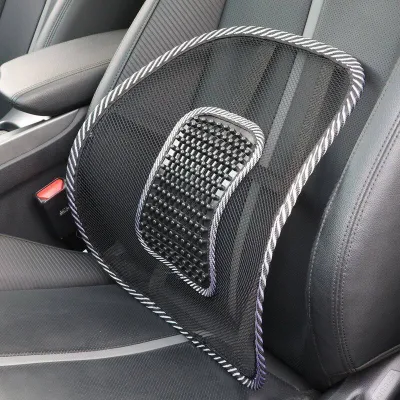
Mesh seat cushions utilize modern 3D spacer fabrics to promote continuous air circulation. These cushions consist of two layers of woven mesh separated by a middle layer of vertical micro-filaments. This unique structure creates a permanent, highly breathable gap that does not collapse under your weight. Because mesh cushions are composed mostly of open space and thin synthetic fibers, they have very little physical mass to store heat. However, mesh does not possess the natural cool-to-the-touch property of bamboo or gel. Its cooling efficiency relies entirely on the movement of cabin air; without active air conditioning or open windows to circulate air through the spacer fabric, the cooling effect is significantly reduced.
Key Comfort and Practicality Checkpoints for Daily Commutes
When your car is parked in an unsheltered, open-air lot under the intense afternoon sun, the cabin temperature can easily climb to extreme levels. Returning to your vehicle requires a cushion that can recover from this heat exposure rapidly. Bamboo cushions absorb solar heat, but because of the physical gaps between the beads, they tend to release this heat quickly once you turn on the air conditioning. Gel cushions, due to their high thermal mass, act like heat sponges. If left in direct sunlight, a dense gel cushion can retain heat deeply and remain uncomfortably warm for the first fifteen minutes of your drive, even with the cabin AC running at maximum. Mesh cushions perform exceptionally well in this scenario; because they hold almost no residual heat, they are ready to sit on immediately without transferring stored warmth to your body.

Singapore’s high humidity levels make moisture management a critical factor for driving comfort. Sitting for extended periods can lead to sweat accumulation, which ruins clothing and causes discomfort. Mesh cushions excel in moisture management because the open 3D structure allows sweat to evaporate quickly, keeping your back and thighs dry. Bamboo cushions do not absorb moisture, and the smooth, non-porous surface of the beads prevents sweat from pooling, though the nylon strings holding them together can occasionally trap moisture if not allowed to dry. Gel cushions can be problematic in humid conditions; if the grid pattern is too shallow or lacks adequate ventilation channels, the non-porous polymer can trap sweat against your skin, leading to a clammy and sticky sensation during long commutes.
Maintaining your seat cushion is essential for hygiene and longevity, especially in a climate where humidity encourages mold and mildew growth. Bamboo cushions require regular maintenance; they must be wiped down with a damp cloth and dried thoroughly in a shaded, well-ventilated area. Leaving a damp bamboo cushion in a closed, humid car can lead to mold development along the stringing. Gel cushions are highly durable and hygienic, as the polymer material can be easily wiped clean or hand-washed, though they must be kept away from sharp objects that could puncture the structure. Mesh cushions tend to accumulate dust, lint, and food crumbs within their 3D weave over time. They require regular vacuuming and occasional hand washing. Always consult the manufacturer’s care label before using any liquid cleaners to avoid damaging the synthetic fibers.
Which Cushion Fits Your Parking and Driving Routine?
Your daily parking environment and driving habits should dictate which cushion material you choose. If you primarily park in shaded areas, such as HDB multi-storey car parks or basement lots, and prefer a firm, highly supportive seating surface, a bamboo cushion is an excellent choice. It offers a traditional, durable option that provides immediate, natural ventilation without storing excessive heat prior to your journey.
If you suffer from lower back discomfort or tailbone pressure during long drives, a gel cushion is highly suitable due to its superior pressure distribution. However, to prevent the gel from absorbing excessive solar heat, this option is best paired with shaded parking routines or the consistent use of high-quality windshield sunshades. It is ideal for drivers who can cool their cabin quickly using a strong air conditioning system before embarking.
For drivers who frequently park in unsheltered, open-air lots and prioritize immediate comfort upon entering the vehicle, a mesh cushion is the most practical option. It does not store solar heat, allows for maximum airflow, and works in perfect harmony with your vehicle’s air conditioning system to keep you dry and comfortable throughout your commute.
Before purchasing any aftermarket seat cushion, it is crucial to verify if your vehicle is equipped with factory-integrated ventilated or cooling seats. Placing a thick bamboo, gel, or mesh cushion over these specialized seats can restrict or completely block the built-in airflow, rendering the vehicle’s premium comfort feature ineffective. Always check your vehicle owner’s manual for guidance on compatible seat accessories.
Essential Safety and Compatibility Checks Before You Buy
Vehicle safety must never be compromised for the sake of comfort. If you are selecting a seat cushion that includes a backrest portion, you must verify its compatibility with your vehicle’s side airbags. Many modern cars have side airbags embedded within the front seat backrests. An incompatible cushion or cover can obstruct or delay the deployment of these airbags during a collision. Look for cushions specifically labeled as side-airbag compatible, which feature open sides or specialized, fragile seams designed to tear easily when the airbag deploys.
Secure anchoring is another critical safety consideration. A seat cushion that slides or shifts when you turn corners or brake suddenly can distract you or interfere with your control of the vehicle. Ensure the cushion features a high-quality, non-slip bottom surface and robust attachment straps. When installing the cushion, carefully route the straps to ensure they do not interfere with seatbelt buckles, seat adjustment rails, or the sensitive electrical wiring located beneath modern power-adjustable seats.
Finally, check the manufacturer’s specifications for material safety labels. High-quality automotive accessories should carry certifications for flame retardancy, such as compliance with FMVSS 302 standards. Because these cushions are exposed to intense sunlight and high temperatures through your car windows, they must be made of UV-resistant materials that will not degrade, crack, or release harmful volatile organic compounds (VOCs) over time. Verifying these safety standards ensures that your investment remains safe and durable for years to come.
Frequently Asked Questions (FAQ)
Do bamboo seat cushions block ventilated car seats?
Yes, thick or tightly woven bamboo cushions can significantly restrict the airflow from factory-installed ventilated seats. While the gaps between the bamboo beads allow for passive air movement, they do not align with the active air vents built into the seat structure. If your vehicle features active seat ventilation, it is best to avoid thick aftermarket cushions or consult your vehicle owner’s manual for recommended low-profile accessories.
How do I prevent mold on seat cushions in high humidity?
To prevent mold and mildew growth in Singapore’s humid climate, regularly remove the cushion from your vehicle and allow it to air out in a dry, well-ventilated indoor space away from direct sunlight. Avoid using wet liquid cleaners directly on the cushion materials unless explicitly authorized by the manufacturer’s care label. For mesh and fabric-covered gel cushions, washing the removable covers periodically according to the care instructions is highly recommended.

Community discussion
Share your experience or ask a question. Comments are reviewed before publication.