
Evaluating how Armor All protectant compares to alternative interior dressings requires looking beyond marketing claims and focusing on chemical composition, pH levels, and material compatibility. Modern automotive cabins are complex environments featuring a mix of vinyl, thermoplastic olefins (TPO), polyurethane-coated leathers, and sensitive digital displays. Because these materials react differently to chemical treatments, choosing the right protectant is a matter of matching the product’s chemical base to your specific cabin surfaces.
While many drivers associate interior protectants with a high-gloss shine, professional detailing standards prioritize long-term material preservation and driving safety. A protectant’s primary job is to shield interior surfaces from heat and ultraviolet (UV) radiation without causing chemical degradation or creating dangerous windshield glare. By understanding how to read product labels, analyze Safety Data Sheets (SDS), and identify different formulation bases, you can make an informed decision that keeps your vehicle’s cabin looking original and remaining durable over years of exposure.
Understanding pH Balance for Car Interior Materials
The pH scale, which ranges from 0 to 14, measures how acidic or alkaline a water-based solution is, with 7 being completely neutral. For automotive interior surfaces, maintaining a neutral chemical environment is critical. Most factory interior components, including vinyl dashboards and the protective topcoats applied to modern leather seats, are engineered to tolerate mild, neutral cleaning and conditioning agents. Deviating too far into acidity or alkalinity can disrupt the molecular structure of these materials, leading to premature wear.
Products mentioned in this guide
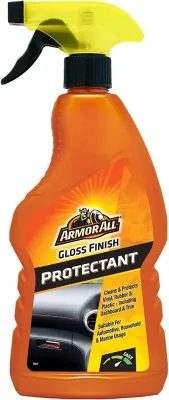
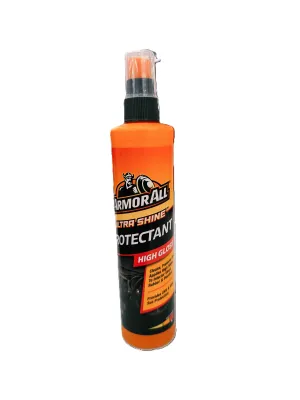
![[Bundle of 3] Armor All Gloss Finish Protectant 300mL](https://img.lazcdn.com/g/p/d0c8cf37c1f80aa0a9549b3d390beb63.jpg_400x400q80.jpg_.webp)
Prices are valid at publication and may change. Please refer to the product page for the latest price.
When highly alkaline solutions (pH above 8) are repeatedly applied to vinyl or plastic, they can strip away the plasticizers that keep these materials flexible. Over time, this chemical stripping causes the material to dry out, become brittle, and eventually crack under the heat of the sun. On genuine or synthetic leather, alkaline products can degrade the thin polyurethane protective layer, leading to peeling, discoloration, and a sticky texture that attracts dirt. Conversely, highly acidic solutions (pH below 6) can weaken stitching threads and corrode delicate metal trim pieces or clear plastic instrument clusters.
To verify the actual pH of an interior protectant, do not rely solely on front-label marketing terms like “pH balanced,” as this phrase is not strictly regulated in the car care industry. Instead, request or download the manufacturer’s Safety Data Sheet (SDS). Section 9 of the SDS, which details physical and chemical properties, typically lists the exact pH value or range of the liquid. If the pH is not listed or if the product is a non-aqueous silicone formula that does not have a standard pH, look for explicit manufacturer guarantees regarding material safety on delicate surfaces.
Using unverified household cleaners or multi-surface sprays as daily protectants carries significant risk. Many household detergents are highly alkaline to cut through grease, but using them on a car dashboard will rapidly strip away factory UV inhibitors. For routine maintenance, stick to dedicated automotive formulas that explicitly state their compatibility with interior plastics and vinyl, and verify their chemical neutrality through official documentation.
How to Evaluate True Surface Protection
To choose the right interior dressing, you must separate cosmetic enhancements from functional protection. A high-gloss, wet-look shine is purely cosmetic and does not automatically indicate that a product is shielding your dashboard from damage. In fact, some low-grade gloss agents act like a magnifying glass, reflecting light without offering any actual defense against ultraviolet radiation.

Functional protection relies on active UV absorbers and blockers. UV-A and UV-B rays penetrate automotive side glass easily, breaking down the polymer chains in your dashboard through a process called photodegradation. High-quality protectants contain sacrificial chemical compounds that absorb this radiation and dissipate it as harmless heat before it can damage the underlying plastic. When evaluating products, look for labels that specify UV protection and explain how the formula prevents fading, drying, and cracking.
Another key functional attribute is anti-static performance. When you dry-wipe a dusty dashboard, the friction creates a static charge that immediately attracts more dust from the air. Protectants formulated with anti-static agents neutralize this charge, keeping dust from clinging to treated surfaces. This not only keeps the cabin cleaner for longer but also reduces the need for frequent physical wiping, which can cause micro-scratches on delicate clear plastics and piano-black trim.
The finish type you choose—whether matte, satin, or high-gloss—also has direct safety implications. Applying a high-gloss protectant to the top of a dashboard can create severe windshield glare, especially when driving under intense midday sun. This glare can significantly reduce forward visibility and strain your eyes. Professional detailers generally recommend matte or satin finishes for the upper dashboard to maintain an original equipment manufacturer (OEM) appearance and ensure clear, glare-free visibility, reserving glossier finishes for lower door panels or kick plates.
How to Compare Armor All with Alternative Brands
When comparing Armor All protectant to alternative brands, a structured approach based on chemical composition and product tiers is essential. Armor All’s classic protectant is a widely recognized water-based silicone emulsion designed for broad compatibility across vinyl, plastic, and rubber. It is formulated to be highly accessible and easy to apply, delivering a distinct medium-to-high gloss finish that appeals to many everyday drivers.
To compare this with alternative brands, you must first identify the chemical base of each product:
- Water-Based Emulsions: These formulas typically use suspended silicone oils in water. They dry to a non-greasy, satin, or matte finish and are generally considered safer for long-term use on a wide variety of delicate interior surfaces. They do not leave a sticky residue and are less likely to volatilize and create a hazy film on the inside of your windshield when the car gets hot.
- Solvent-Based Silicone Formulas: These products often use organic solvents to carry the silicone. While they can provide an extremely high-gloss, water-resistant shine, the solvents can slowly dry out vinyl over years of repeated application. They also tend to leave a greasy residue that attracts dust and can transfer onto clothing.
Next, ensure you are comparing equivalent product tiers. It is unfair to compare a classic high-gloss Armor All spray to a competitor’s specialized matte detailer. Instead, compare Armor All’s low-gloss or matte variants against alternative matte dressings. Evaluate them based on material compatibility, residue characteristics, and how they behave on hot surfaces. A quality comparison should look at whether the product leaves a dry-to-the-touch surface or if it remains greasy, which can make steering wheels and gear shifters dangerously slick.
Finally, consider the application method and frequency. Some premium alternative protectants use advanced polymer technologies that bond to the surface, requiring less frequent reapplication than standard silicone emulsions. While these specialized products may require a higher initial investment—perhaps spending S$15 to S$30 for a premium bottle compared to a budget-friendly option—their durability and lower risk of windshield hazing can offer better long-term value for drivers who park their vehicles outdoors.
Decision Framework: Which Protectant Fits Your Interior?
Selecting the right protectant depends on your vehicle’s specific materials, your aesthetic preferences, and how much time you dedicate to maintenance. Use the following conditional paths to guide your choice:
Choose Armor All or similar multi-surface water-based silicone blends if your vehicle has a standard commuter interior dominated by durable hard plastics and vinyl trim. These products are ideal if you want a quick, straightforward application, prefer a noticeable sheen, and value widely available, cost-effective maintenance products. They perform well on daily drivers where ease of use and basic UV protection are the primary goals.
Choose alternative specialized dressings if your vehicle features premium materials such as uncoated genuine leather, delicate synthetic suede, or soft-touch matte plastics. If you prefer a strict OEM matte appearance with zero added gloss, or if your vehicle is constantly exposed to extreme tropical sun and requires specialized, aerospace-grade UV blockers, investing in dedicated, material-specific formulas is the safer path. These products ensure that sensitive surfaces do not discolor or lose their original texture.
Before applying any product, always consult your vehicle’s owner’s manual. Modern car manufacturers often include specific instructions regarding interior cleaning. Many manuals explicitly warn against using silicone-based protectants on steering wheels, gear shifters, pedals, and airbag deployment seams, as the slippery residue can compromise driver control or interfere with safety systems. Additionally, ensure that no protectant overspray reaches the lenses of advanced driver assistance system (ADAS) cameras or delicate anti-reflective infotainment screens, which should only be cleaned according to the manufacturer’s precise guidelines.
Frequently Asked Questions (FAQ)
Can I test the pH of my car interior protectant at home?
Yes, you can use universal pH test strips or a digital pH meter designed for liquids to get a general baseline of a water-soluble protectant. However, home testing has limitations, especially with thick, emulsion-based, or non-aqueous silicone formulas where water-based test strips cannot provide an accurate reading. For precise chemical specifications, reviewing the manufacturer’s Safety Data Sheet (SDS) or contacting their technical support remains the most reliable and safe verification method.
Does a higher shine mean better protection for my dashboard?
No, visual gloss does not correlate with superior UV or anti-aging protection. High shine is typically the result of light-reflecting silicone oils or optical brighteners remaining on the surface. True UV protection depends on active chemical UV absorbers blended into the formula, which can be present in completely matte or satin finishes without adding any reflective gloss or causing distracting windshield glare.

Community discussion
Share your experience or ask a question. Comments are reviewed before publication.