
Leather car seat cushions can be comfortable for daily driving in Singapore’s hot and humid climate, but their performance depends heavily on material selection, design features, and cabin heat management. Without specific features like ventilation perforations or breathable backings, a solid leather cushion can quickly become hot, sticky, and uncomfortable during midday commutes. Because Singapore experiences high ambient temperatures and intense solar radiation year-round, understanding how different leather types behave under these conditions is essential before making a purchase.
Before installing any aftermarket seat cushion, it is crucial to prioritize safety. Always consult your vehicle’s owner manual to verify that adding a cushion or cover will not interfere with seat-integrated side airbags, occupant detection sensors, or active headrests. Ensure that any mounting straps do not obstruct the seat adjustment rails or compromise the secure positioning of the seatbelt.
How Tropical Heat and Humidity Affect Leather Comfort
The physical properties of leather make it highly sensitive to environmental conditions. Leather is a dense, non-porous material with a relatively high thermal mass. When your car is parked in an unsheltered lot, such as an open-air HDB surface car park, solar energy passes through the glass windows and is absorbed by the cabin’s interior surfaces. Leather cushions act like thermal sponges, absorbing this heat rapidly and retaining it long after you turn on the air conditioning. Sitting on a heat-soaked leather surface can cause immediate discomfort, as the material transfers that stored thermal energy directly to your body.
Products mentioned in this guide
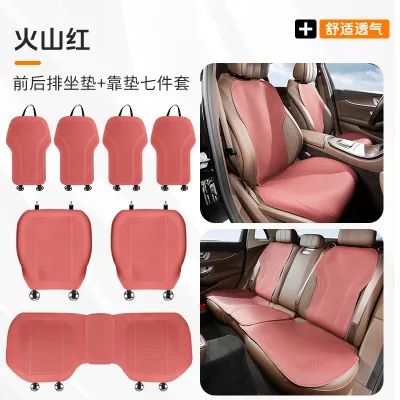
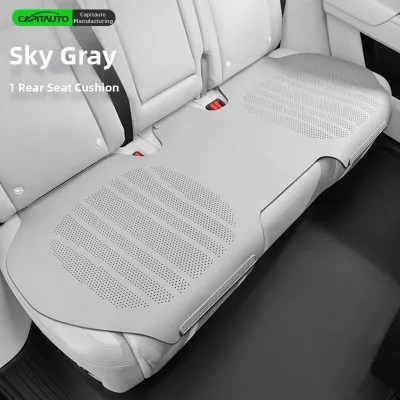
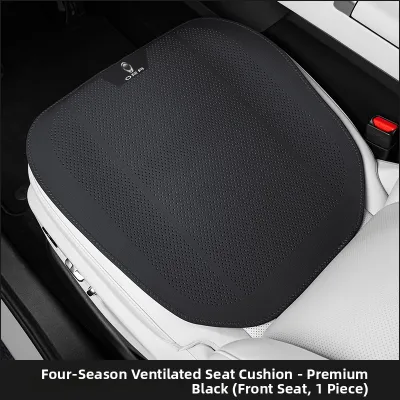
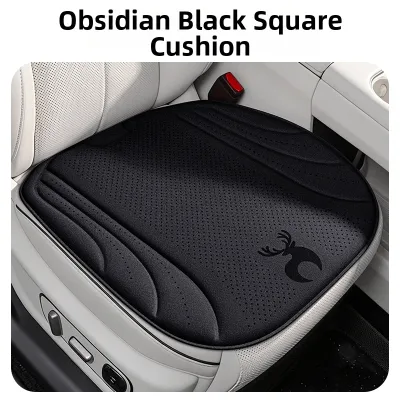
![[SG stock] Car Seat Cover PU Leather Interior Protector Mats Cushion 5 Seaters Chair Seatcover Pad for SUV Sedan Truck](https://img.lazcdn.com/g/p/b14fc2d13251d1235315b5f39912a158.jpg_400x400q80.jpg_.webp)
Prices are valid at publication and may change. Please refer to the product page for the latest price.
In addition to heat retention, leather lacks the natural moisture-wicking capabilities of woven textiles. In Singapore’s typical relative humidity levels, which often exceed 80 percent, the human body relies heavily on sweat evaporation to cool down. When you sit on a solid leather cushion, there is virtually no airflow between your clothing and the seat. This lack of ventilation prevents perspiration from evaporating, trapping moisture against your skin.
This trapped moisture leads to a distinct feeling of surface tackiness. Over a long commute along busy expressways like the PIE or AYE, this sticky sensation can cause clothing to cling to your skin and the cushion surface. Over time, the combination of heat, humidity, and friction can make even short drives feel swampy and fatiguing, highlighting the limitations of standard, solid-surface leather in tropical environments.
What to Look for in a Leather Cushion for Hot Weather
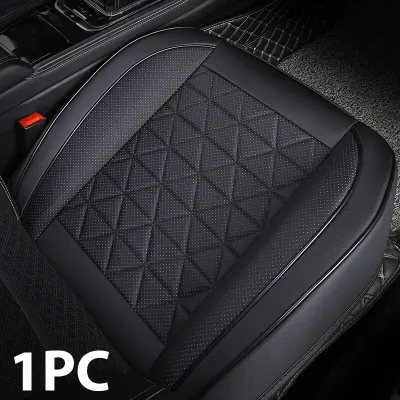
If you prefer the premium look and easy-to-clean nature of leather, you must look for specific structural designs that mitigate heat and moisture buildup. The most critical feature to verify is a perforated surface pattern. Perforated leather cushions feature hundreds of tiny, evenly spaced holes across the seating and backrest areas. These perforations allow trapped air to escape and facilitate a degree of passive ventilation, significantly reducing the greenhouse effect between your body and the seat.

The type of leather used also plays a major role in how the cushion handles heat. Genuine top-grain leather retains some of its natural cellular structure, allowing for marginal breathability compared to synthetic alternatives. However, it requires diligent maintenance to prevent drying out. Synthetic leathers, such as polyurethane (PU) or polyvinyl chloride (PVC), are highly durable and stain-resistant, but they are naturally completely non-porous. If you choose a synthetic leather cushion, ensure it features deep ventilation channels, molded contours, or high-density perforations to compensate for the material’s inherent lack of breathability. Bonded leather, which consists of shredded leather scraps glued together with polyurethane, should generally be avoided for hot climates, as it tends to trap heat excessively and can peel or crack rapidly under high humidity.
Beyond the top surface, pay close attention to the backing materials and anti-slip layers. Many cushions utilize a solid rubberized or silicone backing to prevent the cushion from sliding around on the car seat. While effective for stability, a solid backing acts as an absolute barrier to airflow, trapping heat within the cushion’s foam core. Look for cushions that utilize a breathable mesh backing or a segmented anti-slip pattern that leaves open channels for air to circulate.
Finally, examine the internal padding material. High-density memory foam provides excellent pressure relief but tends to retain body heat. If you opt for a memory foam core, look for formulations infused with cooling gel or those featuring open-cell structures that promote airflow. Alternatively, cushions utilizing a rubberized coir (coconut fiber) or latex core offer superior natural ventilation, though they may feel firmer than traditional foam.
Daily Usage and Care Tips for Humid Climates
Managing comfort with a leather seat cushion in a tropical climate requires a combination of smart cabin habits and regular material maintenance. To minimize initial heat soak, always use a high-quality, reflective front windshield sunshade when parking outdoors. If possible, park in sheltered basement car parks or under shade structures. When returning to a heat-soaked vehicle, lower all the windows and drive for the first minute with the air conditioning fan set to high. This quickly expels the superheated air from the cabin before you roll up the windows, allowing the leather cushion to cool down much faster.
Regular cleaning is essential to prevent material degradation caused by sweat and humidity. Human perspiration contains salts, body oils, and acids. When these substances accumulate on the cushion, they can penetrate the finish of genuine leather or break down the protective coatings of synthetic leather. Establish a routine of wiping down the cushion at least once a week with a clean, slightly damp microfiber cloth to remove surface residues.
When a deeper clean is required, only use cleaning products that are explicitly authorized by the manufacturer for your specific cushion material. Avoid harsh household detergents, multi-purpose sprays, or dish soaps, as these can strip away the leather’s protective topcoat and accelerate cracking. After cleaning, allow the cushion to dry completely in a shaded, well-ventilated area before placing it back in the vehicle.
If your cushion is made of genuine leather, periodic conditioning is necessary to keep the material supple. However, in humid climates, you must select your conditioner carefully. Avoid heavy, wax-based, or highly oily conditioners that leave a thick, sealed film on the surface. These products can clog the perforation holes and natural pores, completely eliminating any breathability the cushion had and creating a permanently sticky texture. Instead, opt for light, water-based leather conditioners that absorb quickly and leave a dry, matte finish.
When to Consider Breathable Alternatives
While a well-designed leather cushion can perform adequately, there are scenarios where alternative materials offer a superior driving experience. If your daily routine involves parking in unsheltered lots for hours at a time, or if you tend to perspire heavily, switching to a highly breathable material can dramatically improve your comfort.
The primary alternative to consider is 3D mesh. These cushions are constructed from layers of polyester mesh that create a springy, open-air structure. Because air can flow freely through the entire cushion, heat and moisture are dissipated almost instantly, preventing any sweaty buildup. While they lack the luxurious aesthetic of leather, their thermal performance in tropical climates is unmatched.
Woven fabric or canvas cushions represent another practical alternative. They offer excellent moisture absorption and do not get nearly as hot as leather when exposed to direct sunlight. However, they are more susceptible to staining and can absorb cabin odors over time, requiring more frequent washing. Gel-infused honeycomb cushions, which feature a flexible silicone or rubber-like grid, provide excellent pressure relief and initial cooling, but they must be paired with a breathable fabric cover to prevent them from eventually warming up during long drives.
Ultimately, leather remains a viable choice if you prioritize a premium interior aesthetic, easy wipe-clean maintenance, and primarily park in shaded or indoor garages. However, if maximum cooling performance and sweat prevention are your primary goals during long, humid commutes, transitioning to a high-quality 3D mesh or specialized fabric cushion is often the more practical decision.
Frequently Asked Questions (FAQ)
Do leather seat cushions get hotter than fabric ones when parked?
Yes, leather seat cushions absorb and retain significantly more surface heat than fabric cushions when exposed to direct solar radiation. Because leather is a dense material with high thermal conductivity, it transfers heat to your skin much faster upon contact, resulting in a burning sensation if parked under direct sunlight. Utilizing high-quality window tints, parking in shaded areas, and using reflective windshield sunshades are highly effective ways to mitigate this surface heat buildup.
Will sweat damage a leather car seat cushion over time?
Yes, sweat can cause long-term damage to both genuine and synthetic leather seat cushions if left uncleaned. The salts, acids, and oils present in human perspiration can slowly penetrate genuine leather, causing it to dry out, stiffen, and eventually crack. On synthetic leather, sweat buildup can degrade the polyurethane coating, leading to peeling or a sticky residue. Regularly wiping the cushion with a damp microfiber cloth and using authorized, non-greasy leather care products will prevent this damage.

Community discussion
Share your experience or ask a question. Comments are reviewed before publication.