
Active charcoal bags are a popular, chemical-free option for maintaining a fresh car interior. However, their effectiveness is directly shaped by persistent tropical humidity. While these bags do work to control mild odours, they face unique physical limitations when operating in an environment where the relative humidity regularly hovers above 80 percent. Understanding how these bags interact with moisture is essential to setting realistic expectations and keeping your vehicle’s cabin smelling clean.
How Singapore's Humidity Affects Active Charcoal Bags
To understand how activated charcoal works, it is necessary to look at the microscopic level. Activated charcoal is processed to have millions of tiny pores, giving it an incredibly high surface area. This structure allows it to trap gases and odours through a process called adsorption. Unlike absorption—where a substance like a sponge physically drinks up liquid and expands—adsorption is a surface-level phenomenon. Odour molecules float into the pores and cling to the carbon surfaces via weak physical bonds.
In a tropical climate, the air is constantly saturated with water vapour. This high humidity introduces a physical challenge known as pore competition. Water molecules are highly polar and abundant in the air. When you place a fresh charcoal bag inside your car, the charcoal pores immediately begin capturing both water vapour and odour-causing volatile organic compounds.
Products mentioned in this guide

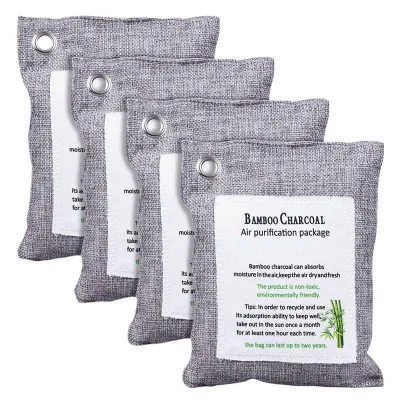
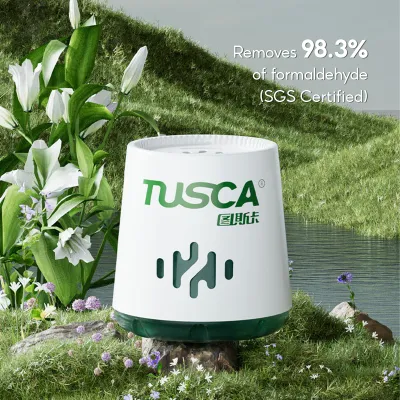
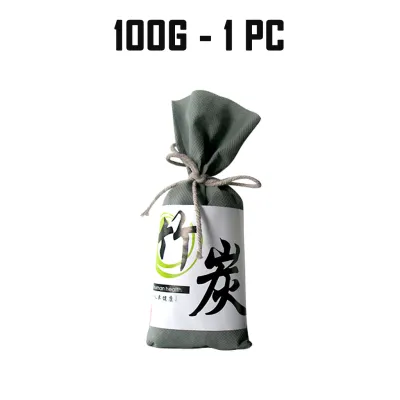

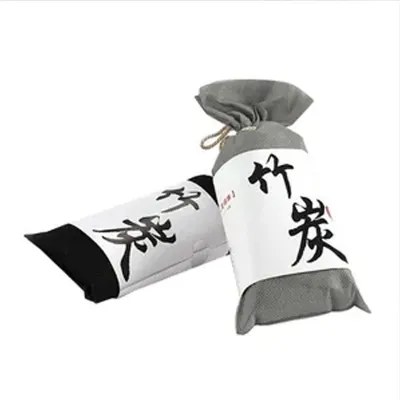
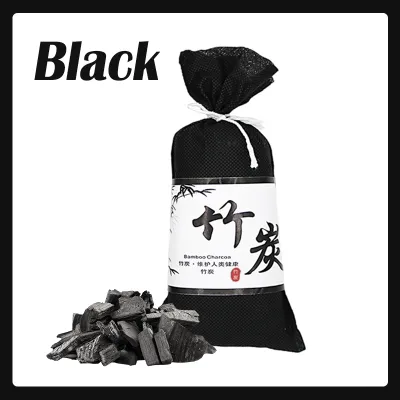
Prices are valid at publication and may change. Please refer to the product page for the latest price.
Because water molecules are so numerous, they quickly occupy a significant portion of the available pore space. This competition drastically reduces the charcoal’s capacity to capture actual odour molecules. Instead of lasting for several months as they might in a dry, temperate climate, charcoal bags in a humid environment reach their physical capacity much faster because they are constantly working to pull moisture out of the air.
What Charcoal Bags Can and Cannot Do for Your Car
Activated charcoal bags are highly effective at managing general, low-level cabin odours. They excel at adsorbing stale air, mild organic smells, and the chemical outgassing from plastics and adhesives inside newer vehicles. Because they are completely passive and unscented, they do not mask smells with heavy perfumes; instead, they slowly clean the air as it naturally circulates through the bag’s fabric casing.

However, they are not a viable solution for active, heavy moisture control. While they do adsorb water vapour, a standard 200-gram or 500-gram charcoal bag cannot act as a primary dehumidifier for an entire car cabin. If your car has a water leak, wet carpets from a sudden tropical downpour, or a clogged air-conditioning drain, charcoal bags will quickly saturate without making a noticeable dent in the overall humidity.
To get the most out of your charcoal bags, placement is key. They rely on passive airflow to bring odour and moisture molecules into contact with the charcoal. Placing a bag in an open area, such as a door pocket, the center console, or on the parcel shelf, allows for better air contact. If you place them under the seats, ensure they are secured. A loose bag can easily slide forward into the driver’s footwell, posing a serious safety hazard by interfering with the brake or accelerator pedals.
How to Tell When Your Charcoal Bag is Full
Because activated charcoal does not change color or texture in a highly visible way, determining when a bag is saturated requires paying attention to subtle physical cues and cabin conditions. The most obvious indicator is the gradual return of musty, damp, or stale odours that the bag had previously managed to control. If your car suddenly starts smelling like a damp locker room after a few weeks of freshness, the charcoal has likely reached its capacity.
You can also check for physical changes in the bag itself. As the charcoal adsorbs moisture, the bag will feel noticeably heavier than it did when first unpacked. In some cases, the fine charcoal granules inside may begin to clump together slightly due to the high moisture content, making the bag feel less pliable or somewhat dense when squeezed.
In a humid climate, you should expect a much shorter saturation cycle than what is typically printed on product packaging. While manufacturers in temperate regions often suggest recharging bags once a month, the local humidity means your charcoal bags may become fully saturated with water vapour in as little as two to three weeks.
How to Recharge and Maintain Charcoal Bags Locally
Fortunately, activated charcoal bags are reusable, but maintaining them in a tropical climate requires a proactive approach. To recharge the charcoal, you must break the weak bonds holding the adsorbed water and odour molecules inside the pores. This is accomplished using heat and ultraviolet (UV) light from direct sunlight.
To recharge your bags, place them outside in direct, intense sunlight on a hot afternoon. The heat raises the kinetic energy of the trapped molecules, causing them to release from the carbon surfaces and evaporate into the open air, while UV rays help break down organic compounds. For the best results, leave the bags on a clean, dry surface outdoors for at least two to three hours, flipping them over halfway through the process.
Because of the rapid saturation caused by local humidity, you should aim to recharge your car’s charcoal bags every two weeks. Simply leaving them on the dashboard inside a closed car is less effective than outdoor exposure, as the trapped moisture has nowhere to escape and may simply settle back into the cabin upholstery or re-adsorb into the bag as the car cools down.
Over time, certain heavy compounds, such as oils, tars, and complex synthetic chemicals, bind permanently to the charcoal pores and cannot be cleared by sunlight. When a thorough afternoon in the sun no longer restores the bag’s ability to eliminate odours, the charcoal has reached its true end-of-life. Typically, a high-quality bag will need to be completely replaced after one to two years of regular maintenance.
What to Do When Charcoal Bags Are Not Enough
If your car is suffering from severe, persistent odours or major dampness, passive charcoal bags will not be enough to resolve the issue. For heavy moisture accumulation—such as after a window was left open during a heavy downpour—you should turn to dedicated chemical desiccants. Products containing calcium chloride or silica gel are designed specifically to draw large volumes of water out of the air. However, if you use calcium chloride tubs, ensure they are placed securely on a flat surface; the liquid byproduct is highly corrosive and can permanently damage your car’s metal floor pan and carpet fibers if spilled.
For deep-seated odours caused by mold, mildew, or spilled food, professional intervention is often necessary. A professional detailer can perform deep steam extraction on fabric seats and carpets to physically remove the organic matter causing the smell. For severe, lingering smells, an ozone treatment can be highly effective. Because ozone is a powerful oxidiser that can damage plastics, rubber seals, and human lungs, these treatments must be performed by trained professionals or with strict adherence to safety protocols, ensuring the vehicle is completely unoccupied and thoroughly ventilated afterward.
Ultimately, no air freshener or charcoal bag can fix a continuous problem. You must identify and eliminate the root cause of the issue. Check your door and window seals for leaks, ensure your air-conditioning cabin filter is replaced regularly (ideally with an activated carbon filter), and clear out any organic debris that may have accumulated in the cowl area under the windshield.
Frequently Asked Questions (FAQ)
Can I leave active charcoal bags in a parked car under the sun?
Yes, leaving charcoal bags inside a parked car under the sun is generally safe. The outer fabric of these bags, typically made of natural linen, cotton, or burlap, is highly heat-resistant and will not pose a fire hazard under normal cabin temperatures. While the heat inside a parked car can provide a mild, passive recharging effect by releasing some trapped moisture, it is not a substitute for proper outdoor recharging. Because the car cabin is a closed environment, the released moisture and odours will remain trapped inside the vehicle and may eventually be re-absorbed by the cabin materials or the bag itself once the temperature drops.
Do charcoal bags eliminate cigarette smoke smells completely?
No, charcoal bags cannot completely eliminate established cigarette smoke smells. Tobacco smoke leaves a sticky residue of tar, nicotine, and chemical compounds that coats every interior surface, including the headliner, glass, and seat cushions. While charcoal bags can help reduce the airborne smell of smoke on a day-to-day basis, they cannot remove the physical residue bonded to the car’s interior. To completely eliminate smoke odours, you must thoroughly wash and deep-clean all hard and soft surfaces inside the vehicle, replace the cabin air filter, and use passive charcoal bags only as a maintenance tool afterward.

Community discussion
Share your experience or ask a question. Comments are reviewed before publication.