
To make a car air freshener last in Singapore’s intense heat and humidity, you must choose formats that resist rapid thermal evaporation and place them strategically away from direct sunlight. While liquid and gel fresheners often dry out or melt within weeks when parked under the tropical sun, solid-state diffusers, adjustable oil pads, and under-seat scent blocks offer the most consistent, long-lasting fragrance control.
Parking in open-air carparks or exposed commercial lots can push cabin temperatures past 60°C. This extreme heat turns standard air fresheners into short-lived, overpowering scent bombs that deplete your wallet and overwhelm your senses. Understanding how different fragrance mediums interact with tropical climates is the key to maintaining a pleasant, subtle cabin environment.
How Singapore's Heat and Humidity Affect Car Scents
High cabin temperatures accelerate the kinetic energy of fragrance molecules. In a parked, sun-exposed vehicle, liquid and gel formats experience rapid, uncontrolled evaporation. The volatile organic compounds that carry the scent are released all at once, leading to an incredibly intense aroma when you first open the door, followed by a rapid decline in the product’s lifespan.
Products mentioned in this guide
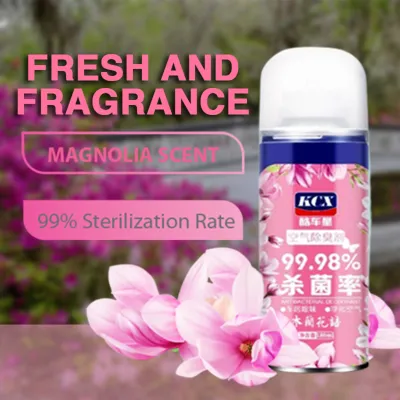
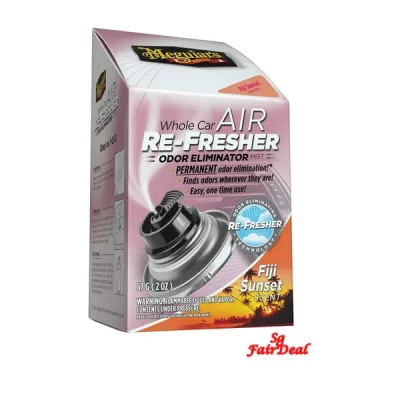
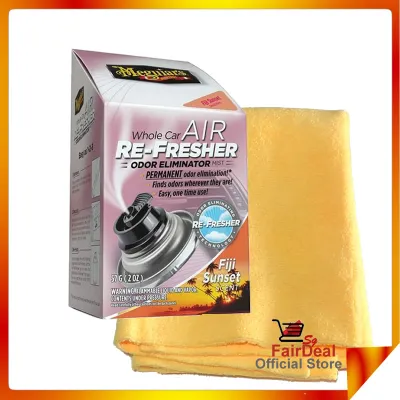
Prices are valid at publication and may change. Please refer to the product page for the latest price.
Singapore’s high relative humidity, often exceeding 80%, significantly alters how we perceive scent. Moist air holds onto fragrance molecules differently than dry air, which can make heavy, sweet perfumes feel cloying and suffocating. Furthermore, constant exposure to a high concentration of scent molecules in a humid environment accelerates olfactory fatigue, meaning your nose quickly becomes desensitized to the fragrance, tempting you to add more even though the cabin is already heavily scented.
Solid and wax-based fresheners present their own set of challenges in tropical climates. When subjected to extreme heat, lower-quality wax or gel matrices can reach their melting thresholds, leading to warping, liquefaction, or leaking. This not only ruins the aesthetic of the product but also poses a serious risk of permanent damage to your car’s interior surfaces if the melted substance drips onto plastic or leather.
Comparing Air Freshener Formats for Hot Cabins
Vent clips are highly popular due to their convenience, but they rely heavily on active airflow from your air conditioning system. When the AC is running, the cool air helps regulate the scent release. However, once you park the car and turn off the engine, the trapped heat inside the cabin causes the remaining liquid or gel in the clip to evaporate rapidly, leading to wasted product and a highly concentrated scent buildup when you return.

Hanging cards and paper formats, often made of infused cardboard, are budget-friendly options ranging from S$2 to S$5, but they are highly susceptible to heat. The open-air design means there is no mechanism to control the evaporation rate. In Singapore’s climate, a hanging card that might last a month in a temperate region can lose its potency in less than a week, leaving behind a dry, scentless piece of paper.
Gel and solid beads use a polymer matrix to trap fragrance oils, releasing them slowly as the gel shrinks. While they offer better evaporation control than paper, they are highly temperature-sensitive. If the cabin temperature exceeds the manufacturer’s specified limit, the gel can liquefy, potentially spilling out of its container and causing a difficult-to-clean mess on your console.
For drivers seeking maximum longevity and consistency, electronic smart diffusers or passive ceramic oil pads represent a highly stable alternative. Smart diffusers allow you to customize the interval and intensity of the scent release, operating only when the vehicle is in motion. Passive ceramic or felt pads absorb concentrated fragrance oils and release them gradually without relying on volatile solvents, making them highly resistant to thermal degradation.
Deep Odor Elimination vs. Scent Masking: Understanding Car Fumigation
When dealing with persistent, unpleasant smells in a tropical climate, it is crucial to distinguish between surface-level scent masking and deep odor elimination. Many drivers search for a professional fumigation for car service or product when their vehicle develops a musty, damp smell. Car fumigation typically refers to a deep-cleaning process—such as ozone treatment, chlorine dioxide misting, or specialized anti-bacterial fogging—designed to penetrate deep into the air conditioning ducts, upholstery, and carpets to neutralize odor-causing bacteria and mold.
Attempting to cover up heavy, humidity-induced odors, such as damp floor mats, spilled food, or durian residue, with strong perfumes is generally ineffective. The fragrance molecules simply mix with the malodor molecules, creating a complex, often nauseating combination that does not resolve the underlying issue. In Singapore’s humid air, these mixed scents can feel even heavier and more oppressive.
If your car has a persistent sour or musty smell, you should prioritize professional deep-cleaning or targeted odor elimination before introducing any new air freshener. Check your cabin air filter and inspect the footwells for dampness. Once the source of the odor is physically removed or chemically neutralized through proper fumigation or deep cleaning, a high-quality, low-intensity air freshener can then be used to maintain a clean, welcoming atmosphere.
Where to Place Fresheners for Maximum Longevity
The dashboard is the worst possible location for any car air freshener. Not only does direct sunlight expose the product to the highest temperatures in the vehicle, accelerating evaporation, but shiny or reflective containers can also create dangerous glare on the windshield, obstructing your view of the road.
To extend the lifespan of your fragrance, place it in cooler, shaded areas of the cabin. Under-seat brackets, door pockets, or the lower center console are excellent choices. Temperatures near the floor of the vehicle are significantly lower than those at dashboard level, allowing the fragrance medium to release its scent at a much slower, more controlled rate.
If you prefer vent-mounted fresheners, use the adjustable louvers on the product to restrict the scent opening. Additionally, directing your air conditioning vents slightly away from direct sunlight can help keep the freshener cool. When parking for extended periods, consider removing vent clips and storing them in a sealed glove box or center console to shield them from the rising cabin heat.
Protecting Your Car Interior from Fragrance Damage
Many liquid air fresheners contain concentrated synthetic oils and solvents that can be highly corrosive to automotive plastics, synthetic leather, and touchscreen coatings. A single drip from a leaking vent clip or an overturned bottle can cause the plastic on your dashboard to bubble, peel, or crack, resulting in costly repairs that far outweigh the price of the freshener.
Before mounting any accessory to your dashboard or vents, verify its compatibility, mounting position, and potential impact on airbag deployment or driver visibility by consulting your vehicle’s documentation. Always read the manufacturer’s instructions and safety warnings before installing any fragrance product. Look for specific warnings regarding surface contact and maximum operating temperatures.
If you notice any leakage, melting, or surface discoloration, stop using the product immediately. Wipe away any residue with a clean, damp microfiber cloth, taking care not to spread the chemical further. For severe spills or persistent stains on delicate leather or soft-touch plastics, consult a qualified professional detailer to safely clean and restore the affected surfaces without causing further damage. For advanced electronic diffusers that tap into your vehicle’s electrical system, always refer to the original-vehicle wiring instructions and seek qualified professional installation to avoid electrical faults.
Frequently Asked Questions (FAQ)
Do car air fresheners expire faster in hot weather?
Yes, extreme heat significantly accelerates the rate at which fragrance compounds volatilize. In Singapore’s tropical climate, where parked cabin temperatures can soar, the active ingredients in air fresheners evaporate much faster than they would in cooler, temperate regions. This rapid depletion means you will likely need to replace your car fresheners more frequently to maintain a consistent scent level.
Is it safe to leave gel air fresheners in a parked car?
Leaving gel air fresheners in a parked car under direct sunlight can be risky. Many gel products have melting thresholds that can be exceeded during peak afternoon heat, causing them to liquefy, warp, or leak. To prevent damage to your interior, always check the product’s temperature limits, avoid placing gels on the dashboard, and consider using solid-state or passive oil-pad alternatives during the hottest months.

Community discussion
Share your experience or ask a question. Comments are reviewed before publication.