
A 30x30cm microfiber cloth occupies a versatile middle ground in car detailing, offering excellent maneuverability for targeted tasks without the bulk of larger drying towels. Before adding this specific size to your detailing kit, it is essential to match its physical dimensions to your most frequent cleaning routines. In Singapore’s warm and humid climate, dust, pollen, and road grime accumulate rapidly on vehicle surfaces, requiring frequent, targeted maintenance. This guide breaks down where the 30x30cm size excels, when you should opt for alternative dimensions, and which secondary specifications on the product label you must verify to ensure safe and effective results.
Where a 30x30cm Cloth Shines in Car Detailing
The 30x30cm dimension is highly prized by detailing enthusiasts for its exceptional control and folding efficiency. When folded in half twice, it fits perfectly into the palm of your hand, providing eight distinct, clean faces to work with.
This compact footprint is ideal for interior detailing. When wiping down dashboards, center consoles, and door panels, a smaller cloth allows you to navigate around phone mounts, gear shifters, and delicate infotainment screens without knocking over accessories or leaving excess product residue.
Products mentioned in this guide
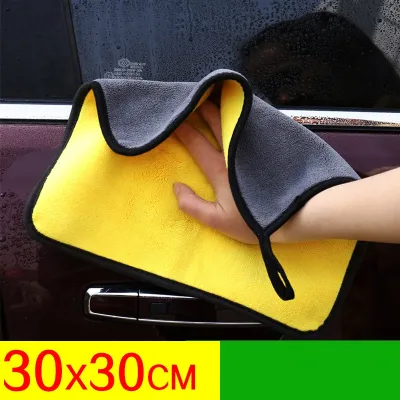
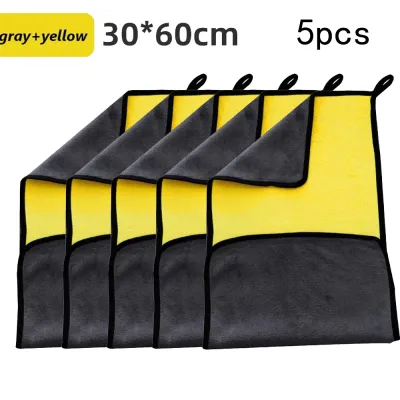
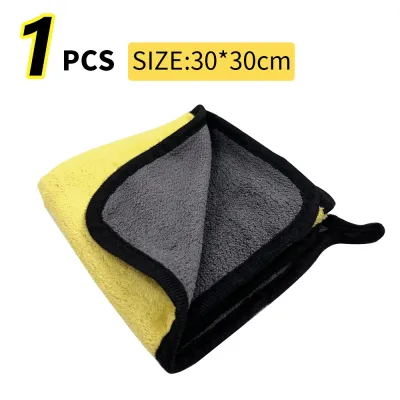
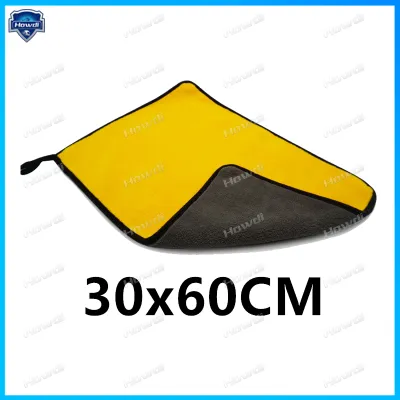
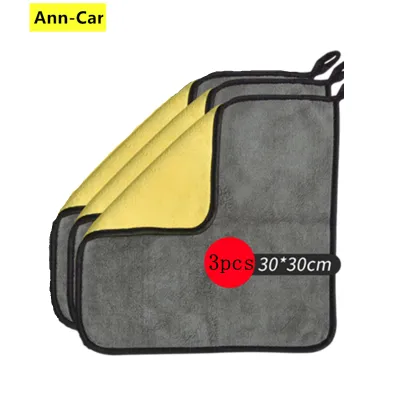
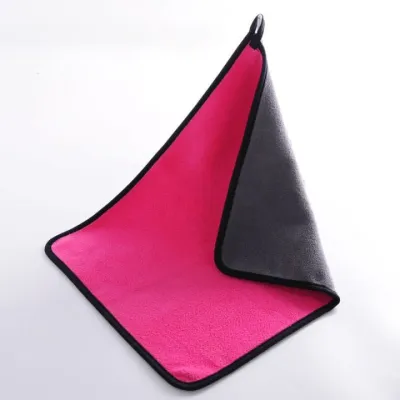
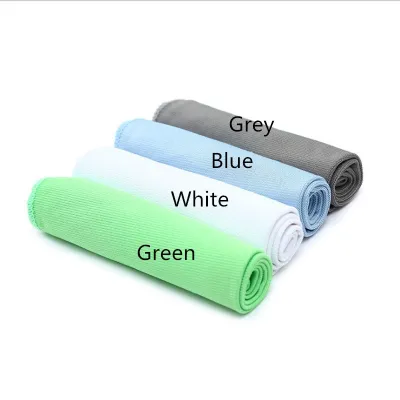
Prices are valid at publication and may change. Please refer to the product page for the latest price.
For wheel and caliper cleaning, this size is highly maneuverable. It allows you to clean tight wheel spokes, lug nut recesses, and brake calipers without dragging excess fabric on the ground, which would otherwise pick up abrasive road grit.
Spot correction and localized polishing also benefit from this size. When applying compounds, polishes, or waxes to a specific scratch or water spot, a 30x30cm cloth ensures your hand pressure remains concentrated and even.
Finally, glass and mirror edges are much easier to clean with a smaller cloth. It reaches into the tight corners of windshields, side mirrors, and window tracks without the material bunching up and leaving streaks.
When to Choose a Larger or Smaller Size Instead
While the 30x30cm size is highly versatile, attempting to use it for full exterior drying is inefficient. A cloth of this size lacks the surface area and water-holding capacity required to dry broad painted panels like the hood or roof. It will quickly saturate, requiring constant wringing out, which increases the risk of leaving water spots and streaks. For drying, larger towels—such as 40x40cm or 50x80cm waffle-weave or twisted-loop towels—are safer and faster because they minimize friction.

Heavy dirt removal is another scenario where a 30x30cm cloth falls short. Because of its limited surface area, the cloth quickly becomes saturated with dirt. Continuing to wipe risks dragging abrasive particles across the paint, causing micro-scratches and swirl marks.
For extremely tight crevices, such as air conditioning vents, dial surrounds, or deep seams in leather seats, even a folded 30x30cm cloth can be too bulky. In these instances, specialized detailing brushes, cotton swabs, or smaller 20x20cm cloths are much more effective at lifting dust without putting unnecessary pressure on delicate interior components.
Key Specs to Check Beyond the 30×30 Dimensions
When shopping for a 30x30cm microfiber cloth at an automotive specialty store or online marketplace, look beyond the physical dimensions and check the product packaging for key material specifications. The first metric to verify is the GSM (Grams per Square Meter), which indicates the density and thickness. A lower GSM (around 200 to 300) is ideal for glass cleaning and light interior dusting because it is thin and less likely to lint. A higher GSM (400 to 600) is plush and highly absorbent, making it perfect for buffing off waxes, quick detailers, or cleaning delicate interior plastics.
Edge construction is another critical safety factor. Standard utility microfibers often feature hard, overlocked polyester stitched edges that can scratch soft clear coats or delicate piano-black interior trim. For automotive detailing, look for tagless, ultrasonic cut edgeless designs, or cloths with soft silk or microfiber banded edges to minimize the risk of marring.
Lastly, check the manufacturer’s label for the blend ratio, typically expressed as a percentage of polyester to polyamide (such as 80/20 or 70/30). A higher polyamide content (like 70/30) offers superior water absorption and softness, making it safer for delicate surfaces, whereas an 80/20 blend is highly durable and excellent for general utility tasks. Always verify that any cleaners or detailing sprays you use are label-authorized for your specific vehicle surfaces, as a high-quality cloth cannot prevent damage caused by incompatible chemical products.
Care and Maintenance to Preserve Microfiber Performance
To maintain the electrostatic dust-trapping properties and absorbency of your 30x30cm microfiber cloths, proper laundering is essential. Never use fabric softeners or bleach. Fabric softeners leave a chemical coating over the microscopic fibers, clogging them and rendering them hydrophobic, while bleach degrades the synthetic fibers over time. Instead, wash them with a dedicated microfiber detergent or a mild, fragrance-free liquid laundry soap.
Implementing a strict sorting strategy is also vital to prevent cross-contamination. Always separate your cloths by the task they performed before laundering. Keep heavily soiled cloths used on wheels, exhaust tips, or engine bays completely separate from the delicate cloths used for interior dusting or paint buffing. This prevents abrasive brake dust and grease from transferring to your clean cloths.
When drying, check the manufacturer’s care label for heat limits. Synthetic fibers can melt under high heat, turning a soft cloth into a scratchy hazard. Air drying in a dust-free environment is ideal, but if you use a dryer, select a low-heat or fluff-only cycle.
Frequently Asked Questions (FAQ)
Can I use a 30×30 microfiber cloth to dry the entire car?
Using a single 30x30cm microfiber cloth to dry an entire vehicle is highly inefficient. Because of its compact size, the cloth will quickly saturate with water, requiring constant wringing. This reduces its ability to glide smoothly, increasing friction against the paint and raising the risk of dragging missed dirt particles across the clear coat, which can cause fine scratches. For drying broad panels safely, check the product label for absorbency limits and opt for a dedicated large-format drying towel.
How many 30×30 cloths do I need for a full detail?
For a comprehensive detailing session, avoid using the same cloth across different zones of the vehicle to prevent cross-contamination. Using a cloth on your wheels and then moving it to your interior can transfer harsh brake dust and road grime onto delicate plastics. It is best to check packaging options for multi-packs, which often offer 10 to 12 cloths for around S$15 to S$30. Having a rotation of at least 6 to 12 clean 30x30cm cloths allows you to dedicate specific cloths to the wheels, engine bay, interior surfaces, and glass, ensuring a fresh, clean surface is always at hand.

Community discussion
Share your experience or ask a question. Comments are reviewed before publication.