
Understanding what 10W-30 means is the first step in ensuring your vehicle’s engine remains properly lubricated and protected. This designation represents a multi-grade viscosity rating established by the Society of Automotive Engineers (SAE). It indicates how the oil flows at both cold startup temperatures and normal engine operating temperatures. Whether 10W-30 is the correct choice for your vehicle depends entirely on your manufacturer’s engineering specifications, which are designed to match the internal clearances and operating demands of your specific engine.
What the 10W-30 Viscosity Rating Actually Means
The “10W” portion of the rating designates the oil’s low-temperature flow characteristics, with the “W” standing for winter. A lower number before the “W” indicates that the oil remains more fluid at cold temperatures, allowing it to pump quickly through the engine during a cold start to prevent metal-on-metal contact. While a 10W rating provides adequate flow in moderate cold, it is thicker at startup than a 0W or 5W oil.
The “30” in the rating represents the oil’s viscosity at standard engine operating temperatures, typically measured at 100 degrees Celsius. This number indicates the oil’s resistance to thinning when the engine is fully warmed up. A rating of 30 means the oil maintains a specific thickness, or film strength, to protect critical components like bearings, pistons, and camshafts under normal driving conditions.
Products mentioned in this guide
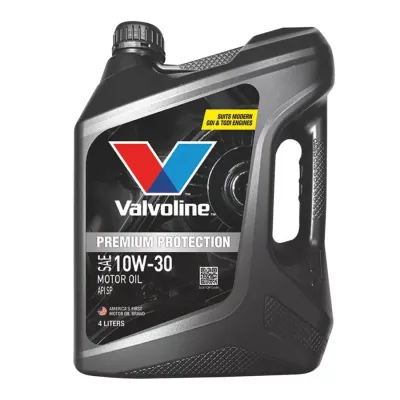
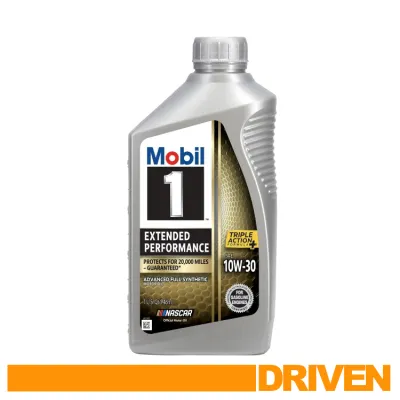
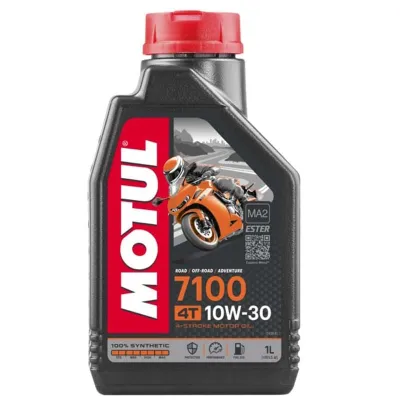
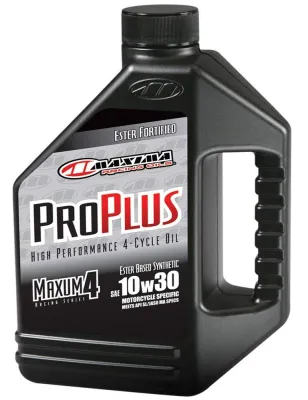
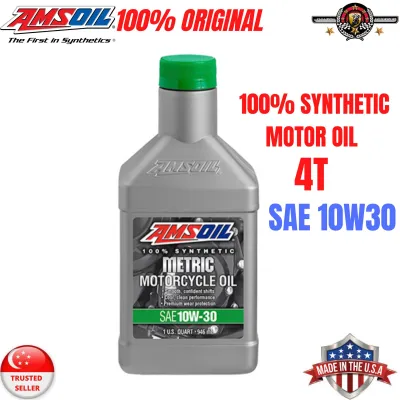
Prices are valid at publication and may change. Please refer to the product page for the latest price.
Multi-grade oils like 10W-30 achieve this dual-temperature performance through the use of viscosity index improvers. These polymer additives expand as the oil heats up, preventing it from thinning out too rapidly, and contract as it cools down, keeping the oil fluid. This allows a single oil to protect the engine across a wide temperature range without needing to be changed between seasons.
Because these ratings are standardized by the SAE, any certified 10W-30 motor oil will meet the same baseline flow requirements regardless of the brand. However, individual manufacturers formulate their oils with proprietary additive packages. These packages can include detergents, dispersants, anti-wear agents, and friction modifiers that offer varying levels of engine cleanliness and wear protection.
How to Verify If 10W-30 Is the Correct Grade for Your Car
To determine if 10W-30 is suitable for your vehicle, your primary resource should always be the official owner’s manual. Manufacturers specify the exact viscosity grade required based on the engine’s internal clearances, oil pump design, and variable valve timing systems. The manual will also list necessary performance standards, such as API (American Petroleum Institute) or ACEA (European Automobile Manufacturers’ Association) classifications, which are just as critical as the viscosity rating.

Another quick reference point is the oil filler cap located under the hood of your vehicle. Manufacturers frequently print the recommended oil viscosity directly on this cap for easy identification during routine maintenance. However, you should cross-reference this with the owner’s manual to ensure no updates or alternative options are recommended for different driving conditions.
Avoid relying on general internet forums, retail shelf labels, or generic advice from retail staff when choosing your motor oil. Assuming that a thicker oil provides better protection or that a thinner oil always improves efficiency can lead to engine issues. Modern engines are built with incredibly tight tolerances, and using an unapproved viscosity can disrupt oil pressure and flow.
Using an incorrect oil grade can have immediate and long-term consequences for your vehicle. It can reduce fuel efficiency, cause noisy valve operation, and interfere with the precise hydraulic functions of variable valve timing systems. Furthermore, using a non-compliant oil viscosity can void your vehicle’s manufacturer warranty if engine damage occurs.
Understanding Alternative Viscosity Grades and Climate Factors
Many vehicle manufacturers list multiple acceptable viscosity grades in the owner’s manual, often presented in a temperature chart. For example, a manual might show that while 5W-30 is preferred for overall fuel economy, 10W-30 is acceptable within a specific ambient temperature range. These recommendations allow drivers to adjust their oil selection based on local climate conditions.
When interpreting these charts, you must look at the expected ambient temperature range before your next oil change. In a consistently warm, tropical climate like Singapore, the cold-start “W” rating is less critical because the engine rarely, if ever, experiences freezing temperatures. However, the operating temperature rating (the “30” in 10W-30) must still strictly align with the manufacturer’s primary guidelines to ensure adequate protection under high thermal loads.
If your owner’s manual is missing, or if you are dealing with a vehicle that has undergone significant mechanical modifications, do not guess the correct oil grade. Consult a qualified mechanic or an authorized dealership to obtain the correct specifications. They can access manufacturer databases to verify the exact fluid requirements for your specific engine model and year.
Always check the product label on the oil bottle to verify that it meets both the SAE 10W-30 viscosity standard and the specific performance specifications required by your vehicle’s manufacturer. Using an oil that lacks the proper certifications, even if it is the correct viscosity, can compromise engine longevity and performance.
Frequently Asked Questions (FAQ)
Can I mix 10W-30 with other viscosity grades like 5W-30?
While mixing different viscosity grades of the same base oil type (such as mixing two synthetic oils) will not typically cause immediate, catastrophic engine failure, it is not recommended. Mixing alters the overall viscosity and can dilute the specific additive packages designed for your engine. If you must add a different grade in an emergency to top up low oil levels, schedule a complete oil and filter change as soon as possible to restore the correct formulation.
Does my high-mileage car need a thicker oil like 10W-40 instead of 10W-30?
A high mileage reading on your odometer does not automatically mean you should switch to a thicker oil like 10W-40. You should continue using the manufacturer’s recommended 10W-30 unless a qualified mechanic diagnoses a specific mechanical issue. If your engine is experiencing excessive oil consumption, oil leaks, or low oil pressure, a professional may recommend a high-mileage formulation or a different viscosity as a temporary diagnostic or corrective measure.

Community discussion
Share your experience or ask a question. Comments are reviewed before publication.