
The choice between ZYKR polish, wax, and ceramic coating depends on your vehicle’s current paint condition, your available time, and your long-term maintenance goals. If your car’s paint has visible swirl marks, light scratches, or oxidation, you must start with a polish to correct the surface before applying any protective layer. For car owners who enjoy regular detailing and prefer a deep, warm gloss, a traditional wax is the ideal choice. If you prioritize long-term durability, chemical resistance, and easier washing routines under intense tropical sun and heavy rain, a ceramic coating is the better investment, provided the paint is perfectly prepped. Always verify the specific product labels and preparation requirements before starting any application.
Understanding the Core Differences in Paint Protection
To choose the right product, you must first understand the fundamental difference between correcting your paint and protecting it. Many car owners confuse polishing with waxing, but they serve entirely opposite functions in a detailing routine. Applying a protective layer over damaged paint will only highlight the imperfections rather than hide them.
In tropical climates like Singapore, where vehicles are subjected to intense UV radiation, high humidity, and sudden heavy downpours, paint protection is not just about aesthetics—it is a necessity to prevent premature clear coat failure. A clear coat is the outermost layer of your car’s paint system. It is designed to protect the color coat underneath from fading, but it is susceptible to physical and chemical damage. Understanding how to maintain this layer is key to preserving your car’s resale value and appearance.
Products mentioned in this guide
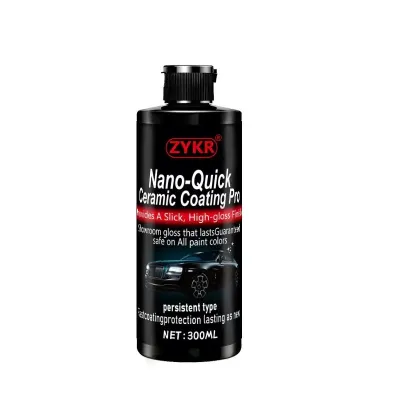
Prices are valid at publication and may change. Please refer to the product page for the latest price.
Polishing is a corrective process designed to restore clarity to your car’s clear coat. A polish contains microscopic abrasives that gently level the paint surface, removing fine scratches, swirl marks, and oxidation. Because it removes a tiny fraction of the clear coat, a polish does not protect the paint; instead, it leaves the surface bare and vulnerable to environmental damage.
In contrast, waxes and ceramic coatings are protective barriers. They do not fix existing scratches or swirl marks. Instead, they lay down a sacrificial layer over the paint to shield it from UV rays, bird droppings, and road grime. This layer takes the brunt of environmental wear, preserving the clear coat underneath.
Before purchasing, always check the specific ZYKR product labels to confirm the formula’s exact purpose. Some products are dedicated compounds or finishing polishes, while others are synthetic sealants or true silica-based ceramic coatings. Using a product for the wrong step can lead to poor results or paint damage.
ZYKR Polish: Restoring Paint Before Protection
Over time, exposure to harsh sunlight, automatic car washes, and road debris leaves your vehicle’s paint looking dull. If you notice spiderweb-like swirl marks under direct sunlight, light scratches, stubborn water spots, or a hazy finish, your paint requires correction before you apply any protection.

When your car is parked in open-air HDB carparks or exposed to industrial fallout, contaminants bond to the clear coat. Over time, these contaminants, combined with improper washing techniques, create micro-scratches. These scratches scatter light instead of reflecting it, which is why the paint looks dull.
Polishing prepares the paint surface so that your subsequent wax or ceramic coating can bond properly. To begin, you must thoroughly wash and decontaminate the vehicle using a clay bar to remove embedded road grime and iron particles. This step is crucial because polishing over dirt can drag particles across the paint, causing deeper scratches.
When applying a ZYKR polish, always follow the specific product instructions regarding pad selection and machine speed. Using a pad that is too aggressive or running a dual-action polisher at an incorrect speed can cause holograms or burn through the clear coat. If you are polishing by hand, use consistent, light pressure and work in small sections.
Remember that polishing is a corrective step, not a routine maintenance task. Because it removes a microscopic layer of your car’s clear coat, you should only polish your vehicle when visible defects require correction. Over-polishing can permanently thin the clear coat, leaving the underlying paint vulnerable to fading and failure.
ZYKR Wax: Enhancing Gloss with Traditional Protection
For car owners who appreciate a classic, deep shine, a traditional wax remains a highly popular option. Waxes, whether formulated from natural carnauba or synthetic polymers, fill in minor surface imperfections to create a warm, wet-look gloss that makes paint colors pop.
Traditional carnauba wax is derived from the leaves of the Brazilian palm tree. It is prized by detailing enthusiasts for its unique ability to produce a warm, deep, and organic glow, particularly on dark-colored vehicles. Synthetic waxes, often referred to as paint sealants, use man-made polymers to offer longer-lasting protection and a more reflective, glass-like shine.
In Singapore’s hot and humid environment, traditional carnauba wax tends to degrade faster due to the high surface temperatures of the car’s body panels. A car parked under the sun can reach surface temperatures well over 60°C, which can cause natural waxes to soften and wash away more quickly. Synthetic waxes generally offer better heat resistance and can last up to six months, whereas natural carnauba may only last four to eight weeks.
Before applying a ZYKR wax, check the product label for specific instructions on curing times and safe application temperatures. Applying wax in direct sunlight or on a hot car hood can cause the product to dry too quickly, making it extremely difficult to buff off and potentially leaving unsightly streaks.
To maintain the wax layer, use a pH-neutral car shampoo during your regular washes. Harsh detergents or automatic car washes can quickly strip away the wax, leaving your paint unprotected against the elements.
ZYKR Ceramic Coating: Investing in Long-Term Durability
If you want to minimize your washing effort and secure long-term protection, a silica-based ceramic coating is the modern standard. Ceramic coatings chemically bond with your vehicle’s clear coat, creating a hard, hydrophobic barrier that repels water, dirt, and environmental contaminants.
Ceramic coatings represent a significant technological leap in paint protection. Formulated with silicon dioxide (SiO2) or titanium dioxide, these liquid polymers cure to form a semi-permanent, glass-like layer that is chemically bonded to the paint. This layer is significantly harder than traditional waxes or sealants, providing superior resistance to light wash marring and chemical etching.
The standout feature of a ceramic coating is its extreme hydrophobicity. The surface tension created by the coating causes water to bead into tight spheres that roll off easily, taking surface dust and light dirt with them. This self-cleaning property makes weekly maintenance washes much faster and easier, as dirt has a difficult time adhering to the slick surface.
However, the application process is highly demanding. Because a ceramic coating is semi-permanent and optically clear, it will lock in any existing paint defects. This makes flawless paint correction and complete chemical decontamination absolutely critical before application. Any remaining swirl marks or oils will be sealed beneath the coating.
Environmental conditions during application are equally vital. High humidity and extreme temperatures can cause the coating to flash, or dry, too quickly, leading to high spots that are difficult to level. Always verify the specific ZYKR ceramic product’s curing time, layering instructions, and whether the formula is designed for consumer DIY use or requires professional application in a controlled environment.
Decision Framework: Matching the Method to Your Car and Routine
Selecting the right paint care routine depends on your vehicle’s current condition, your working environment, and how much time you want to spend on maintenance. Use this framework to guide your decision.
Choose a polish if your car’s paint feels rough to the touch after washing, displays visible swirl marks under direct light, or has lost its original luster. Polishing is the necessary first step to level the surface before you apply any protective wax or ceramic coating.
Choose a wax if you enjoy the hands-on process of detailing your car every few months, prefer a deep, warm gloss, and want an easy application process that does not require strict environmental controls. Waxing is highly forgiving and ideal for hobbyists.
Choose a ceramic coating if you want to minimize your weekly washing effort, require robust protection against tropical heat and rain, and are willing to invest the significant time and effort needed for meticulous surface preparation.
Always verify the condition of your clear coat before starting. If your car is older, has thin paint, or shows signs of clear coat peeling (where the clear lacquer is flaking off), do not attempt to polish or coat it. In these cases, polishing will only cause further damage, and a coating will not adhere to failing paint. Consult a professional detailer to assess whether your paint can be saved or if it requires a respray.
Frequently Asked Questions (FAQ)
Can I apply ZYKR wax over a ceramic coating?
Applying a traditional wax over a ceramic coating is generally not recommended. While it might seem like adding extra protection, the wax layer can actually mask the superior hydrophobic properties and self-cleaning effects of the underlying ceramic coating. Dust and dirt may cling more easily to the wax than to the slick ceramic surface. If you want to boost the gloss or slickness of your coating, check the specific ZYKR product manual for compatible, silica-based maintenance sprays or toppers designed specifically for ceramic surfaces.
How do I know if my car needs polishing before waxing or coating?
You can determine if your car needs polishing through a simple visual and tactile inspection. First, wash and dry your vehicle thoroughly, then park it under direct sunlight or use a bright LED flashlight to inspect the paint for swirl marks, fine scratches, or a cloudy finish. Next, perform a tactile test by placing a clean plastic sandwich bag over your hand and gently sliding it across the paint surface. If the paint feels rough or bumpy, it contains embedded contaminants that require claying and polishing. Keep in mind that polishing removes a microscopic layer of clear coat; if your vehicle is older or has been polished frequently, consult a professional detailer to check the paint thickness before proceeding.

Community discussion
Share your experience or ask a question. Comments are reviewed before publication.