
Quick Answer: How to Determine the Correct ZX1 Oil Viscosity
To find the correct ZX1 oil viscosity for your motorcycle, you must consult your vehicle’s owner manual. The manufacturer’s manual is the absolute authority on the required Society of Automotive Engineers (SAE) viscosity range and friction standards for your specific engine.
Before purchasing any oil, cross-reference the exact SAE grade specified in your manual with the label on the ZX1 product. Brand preferences, marketing claims, or peer recommendations should never override the engineered viscosity and compatibility requirements set by your motorcycle’s manufacturer. Using an incorrect grade can lead to poor lubrication, clutch slippage, or engine damage.
Decoding SAE Viscosity Numbers for Motorcycle Engines
Motorcycle engine oils typically feature a dual-number classification, such as 10W-40 or 20W-50, established by the Society of Automotive Engineers. The first number, followed by the letter “W” (which stands for winter), indicates the oil’s flow characteristics at cold temperatures. A lower number before the “W” means the oil remains more fluid in cold conditions, allowing it to circulate rapidly through the engine during initial startup.
Products mentioned in this guide
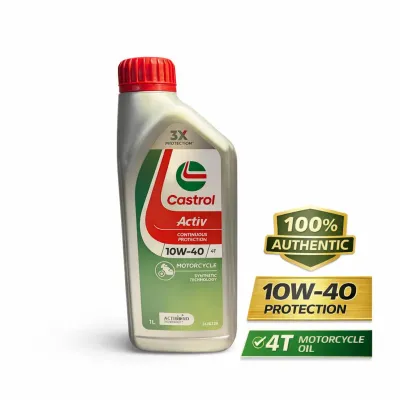
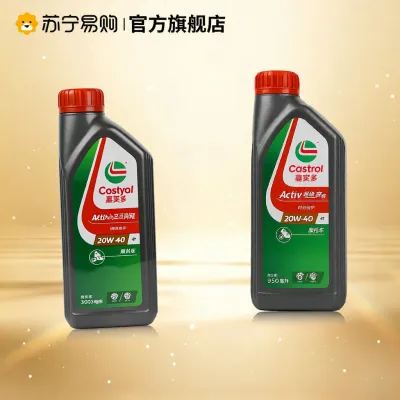
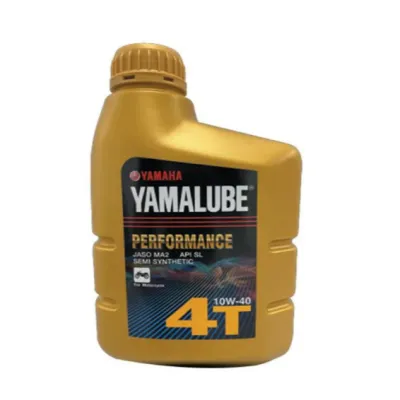
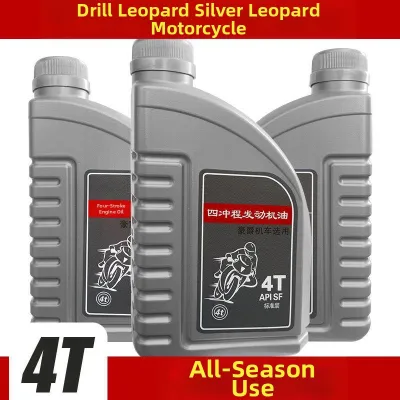
Prices are valid at publication and may change. Please refer to the product page for the latest price.

The second number represents the oil’s viscosity at the engine’s normal operating temperature, typically measured at 100 degrees Celsius. A higher second number indicates a thicker, more viscous oil that maintains a protective film under heat and heavy engine loads. This film prevents direct metal-on-metal contact between moving parts when the engine is fully warmed up.
It is important to understand that viscosity is strictly a measure of flow resistance at specific temperatures. It does not indicate the overall quality of the oil, the type of base stock used, or the performance of the additive package. An oil’s viscosity grade simply tells you how the fluid behaves physically under different thermal conditions.
Matching Viscosity to Your Riding Environment and Engine Condition
While the owner manual provides a primary recommendation, manufacturers often list a range of acceptable viscosity grades based on ambient temperatures. In hot tropical climates, such as Singapore, you might select an approved grade with a higher operating viscosity to ensure the oil does not thin out excessively under intense heat. Conversely, if you ride in colder regions, a lower “W” rating helps ensure rapid oil pressure buildup upon starting.
Engine wear and mileage also play a role in viscosity selection over time. As an engine accumulates high mileage, internal clearances between components like bearings and cylinder walls naturally widen. In these cases, switching to a slightly higher operating viscosity within the manufacturer’s approved limits can help maintain adequate oil pressure and reduce oil consumption.
However, you should avoid arbitrarily switching to a thicker oil outside of the manufacturer’s guidelines. Using an excessively thick oil increases internal fluid drag, which can lower fuel efficiency and reduce the engine’s cooling efficiency. It also places unnecessary strain on the oil pump, potentially starving critical top-end components of lubrication during startup.
Verifying ZX1 Product Labels for Clutch and Engine Compatibility
Selecting the correct viscosity is only the first step; you must also verify that the oil matches your motorcycle’s specific mechanical design. Most motorcycles share a single oil reservoir for the engine, gearbox, and wet clutch. For these machines, you must check the ZX1 product label for the correct Japanese Automotive Standards Organization (JASO) friction standard, such as JASO MA or JASO MA2, to prevent clutch slippage and ensure proper power transfer.
Additionally, look for the American Petroleum Institute (API) service classification on the bottle. This rating, typically represented by letters like SG, SH, SJ, or SL, indicates the oil’s performance level and additive technology. Ensure the API classification on the ZX1 label meets or exceeds the minimum service requirement specified in your motorcycle’s manual.
Finally, inspect the packaging for any specific manufacturer approvals or certifications required for your vehicle. If the product label lacks clear friction standards, API classifications, or viscosity markings, do not use the oil. Stop and consult a qualified professional or contact the manufacturer to verify compatibility before pouring any fluid into your engine.
Frequently Asked Questions (FAQ)
Can I mix different viscosity grades of ZX1 oil in an emergency?
Mixing different viscosity grades of oil alters the overall flow characteristics of the lubricant and should only be done as a temporary emergency measure. If your oil level is critically low and the exact grade is unavailable, topping up with a different viscosity is better than running the engine dry. However, you should drain the system and replace it with a uniform, manufacturer-approved viscosity grade as soon as possible to restore designed engine protection and clutch performance.
Does a higher viscosity oil make my motorcycle engine run cooler?
No, a higher viscosity oil does not inherently make your engine run cooler. Engine oil helps dissipate heat by flowing quickly over hot internal components and carrying warmth away to the oil pan or cooler. An excessively thick oil flows more slowly, which can actually reduce cooling efficiency and generate more internal friction heat. Sticking to the manufacturer’s specified viscosity ensures the correct balance between lubrication, heat transfer, and friction reduction.
Community discussion
Share your experience or ask a question. Comments are reviewed before publication.