
The Yuasa YTZ10S is one of the most widely used high-performance motorcycle batteries on the market, particularly favored for its high cranking power and compact footprint. If you are riding a medium-to-large displacement motorcycle from manufacturers like Honda, Yamaha, Kawasaki, or BMW, there is a strong chance your bike can utilize this specific model. However, battery compatibility is never determined by engine capacity alone; you must verify several physical and electrical parameters to ensure a safe and reliable fit.
Before purchasing a new battery, you must confirm that it matches your motorcycle’s exact physical dimensions, terminal layout, and electrical requirements. Installing an incorrect battery can lead to starting failures, physical damage to the battery tray, or severe electrical damage to your bike’s sensitive electronic systems. Taking a few minutes to verify compatibility now will save you from costly repairs and unexpected breakdowns on the road.
Understanding the Yuasa YTZ10S Specifications and Requirements
The Yuasa YTZ10S is a 12V sealed, maintenance-free motorcycle battery designed for reliable engine cranking under demanding conditions. It utilizes Absorbed Glass Mat (AGM) technology, which suspends the liquid electrolyte in fiberglass mat separators. This design makes the battery completely spill-proof, highly resistant to intense engine vibrations, and virtually maintenance-free.
Products mentioned in this guide
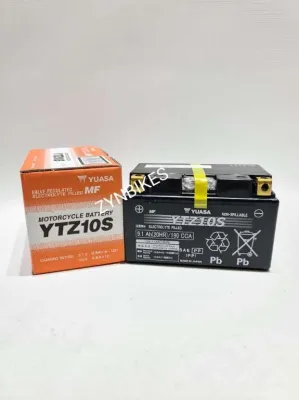
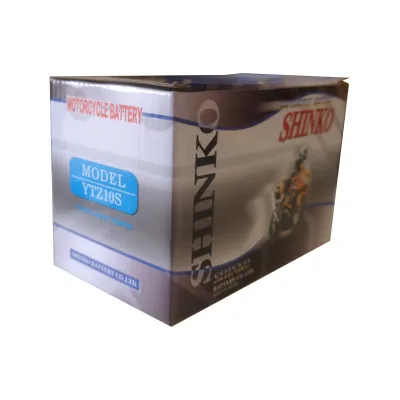
Prices are valid at publication and may change. Please refer to the product page for the latest price.
Physical dimensions are the most critical starting point for compatibility. The Yuasa YTZ10S measures exactly 150 mm in length, 87 mm in width, and 93 mm in height. Because motorcycle battery compartments are designed with exceptionally tight tolerances, even a discrepancy of a few millimeters can prevent the battery from fitting or stop the battery cover from securing properly.
In addition to physical size, you must match the terminal configuration and layout. On the YTZ10S, the positive (+) terminal is on the left side, and the negative (-) terminal is on the right side when viewing the battery from the front terminal face. The terminals are designed as flush-mount, bolt-through connections, which allow for a secure, low-resistance connection to your motorcycle’s wiring harness.
The electrical performance of the battery is defined by its Cold Cranking Amps (CCA) and Ampere-hour (Ah) ratings. The YTZ10S delivers a robust 190 CCA and has a capacity rating of 8.6 Ah at a 10-hour rate. These specifications must meet or exceed the motorcycle manufacturer’s minimum electrical requirements to ensure reliable starting, especially in varying weather conditions.
How to Verify if the YTZ10S Fits Your Motorcycle
Confirming battery compatibility requires a systematic approach to ensure both physical and electrical alignment before making a purchase. By following a clear verification process, you can confidently determine whether the YTZ10S is the correct choice for your specific motorcycle model.

Check the Original Equipment Battery: Locate your existing battery and read its model number printed on the casing. If it matches the YTZ10S or a recognized manufacturer cross-reference equivalent (such as FTZ10S, GTZ10S, or TTZ10S), it is highly likely to be compatible. If the model number has worn off, you will need to rely on physical measurements and electrical specifications.
Measure the Battery Compartment: Measure the internal dimensions of the motorcycle’s battery tray. The YTZ10S requires a space of at least 150 mm in length, 87 mm in width, and 93 mm in height. The new battery must fit securely without forcing the side covers or straining the hold-down straps, which could cause physical damage, casing cracks, or severe vibration issues while riding.
Verify Terminal Polarity and Cable Reach: Identify the positive (+) and negative (-) terminals on the old battery and compare them directly to the YTZ10S layout. Reversed polarity can cause severe and costly electrical system damage, including blown main fuses and fried electronic control units. Ensure the existing cables can reach the new terminals without being stretched or pulled taut, which can lead to cable fatigue.
Assess Electrical Demand: Adding high-draw aftermarket accessories (such as heated grips, auxiliary lights, or upgraded audio systems) increases the electrical load. If your modified setup exceeds standard specifications, the YTZ10S may experience accelerated discharge. You may need to consult a professional to determine if a higher-capacity battery or charging system upgrade is necessary.
Safe Installation and Electrical Precautions
Prioritizing safety and following correct replacement procedures will protect both you and your motorcycle’s delicate electrical systems from harm.
Before performing any installation or maintenance, always consult your motorcycle’s manufacturer instructions and the safety label on the battery. If instructions conflict, or if you are unsure of the correct procedure for your specific model, stop immediately and seek professional assistance.
Preparation and Disconnect Order: Park your motorcycle on a flat surface, turn off the ignition, and remove the key. When disconnecting the battery, always remove the negative (-) terminal first, then the positive (+) terminal. This specific sequence is vital: if your wrench accidentally touches the metal frame of the motorcycle while loosening the negative terminal, nothing happens; however, if you loosen the positive terminal first and touch the frame, you will create a severe short circuit, potentially causing sparks, battery damage, or electrical fires.
Handling and Placement: Carefully lift the old battery out of the tray, taking care not to pull on the connected wires. Wipe down the battery compartment with a clean cloth to remove any accumulated dirt. Gently lower the new Yuasa YTZ10S into the tray, ensuring it remains upright during installation to prevent any potential internal damage or leakage, even in sealed designs.
Reconnection and Securing: Reconnect the terminals in the reverse order of removal: positive (+) first, then negative (-). Use a proper wrench to tighten the terminal bolts securely to prevent vibration-induced loosening, which can cause arcing, melting, or starting failures. Ensure the rubber terminal covers are replaced and the hold-down bracket is firmly secured.
When to Seek Professional Help: Modern motorcycles feature highly sensitive electronic control units (ECUs) and advanced anti-theft systems. If you notice any frayed wires, corroded connectors, or are unsure about the wiring condition, do not risk a DIY installation. Take your motorcycle to a qualified workshop in Singapore to have the battery professionally installed and tested.
Routine Maintenance to Extend Battery Life
While the Yuasa YTZ10S is a sealed, maintenance-free battery, implementing a few simple care habits will significantly extend its service life and ensure reliable starting performance.
Regular Riding and Charging: Short, frequent rides may not allow the stator to fully recharge the battery. Over time, this leads to a state of chronic undercharging, which accelerates battery sulfation and shortens its lifespan. To maintain optimal battery health, take your motorcycle for longer, continuous rides periodically, or connect it to a compatible smart battery tender if the bike sits idle for extended periods.
Terminal Inspection: Periodically check the battery terminals for corrosion, dirt, or loose connections. If you notice any white or powdery oxidation buildup, safely clean them using a dedicated wire brush and apply an appropriate terminal protector spray or dielectric grease to prevent future buildup.
Storage Conditions: Singapore’s tropical climate exposes motorcycles to high ambient temperatures and humidity, which can accelerate internal battery degradation and fluid loss over time. Whenever possible, store your motorcycle in a cool, dry place, away from direct sunlight and extreme heat, to preserve the health and longevity of your newly installed battery.
Frequently Asked Questions (FAQ)
Can I use a YTZ10S battery if my manual recommends a different model?
While some batteries share similar physical dimensions, using a non-recommended model can lead to fitment issues, insufficient cranking power, or electrical system strain. For example, a battery with lower cold cranking amps might fail to start your engine, while a different terminal layout could cause dangerous short circuits. Always prioritize the manufacturer’s specified model or a verified exact equivalent from a reputable brand.
What should I do with my old motorcycle battery?
Motorcycle batteries contain lead and highly corrosive sulfuric acid, making them extremely hazardous to the environment if disposed of in regular household waste. You must recycle your old battery responsibly by returning it to the retail shop where you purchased your new battery, delivering it to an authorized toxic industrial waste collector, or dropping it off at a licensed motorcycle workshop in Singapore. Many professional workshops will accept old batteries for proper ecological disposal and may offer a small trade-in credit toward your new purchase.
Community discussion
Share your experience or ask a question. Comments are reviewed before publication.