
Choosing a car air freshener in Singapore requires balancing pleasant scents with the harsh realities of tropical heat and high humidity. When selecting a Yankee Candle for car use, solid formats and securely mounted vent clips generally offer the most stable performance under intense cabin temperatures. Liquid-based hanging formats require careful placement and regular monitoring to prevent heat-induced expansion and potential leakage onto sensitive interior surfaces.
By understanding how different product designs interact with high ambient temperatures and humidity, you can select a format that delivers consistent fragrance without risking damage to your vehicle’s dashboard, upholstery, or air vents. The most suitable choice depends heavily on your daily parking habits, your vehicle’s ventilation design, and how often you use your air conditioning system. Taking these factors into account helps you avoid interior damage that could cost hundreds of dollars (S$) to repair or replace.
How Tropical Heat and Humidity Impact Car Fresheners
Singapore’s tropical climate creates a challenging environment for any interior car accessory, particularly those containing volatile fragrance compounds. When a vehicle is parked outdoors under direct sunlight, it acts as a greenhouse, trapping solar radiation and causing cabin temperatures to rise significantly higher than the outside air. Dashboards, steering wheels, and rearview mirrors often absorb the brunt of this heat, creating localized hot zones that can rapidly degrade plastics, adhesives, and liquid-based products.
Products mentioned in this guide
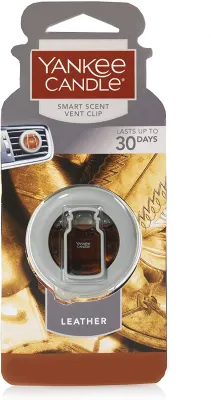
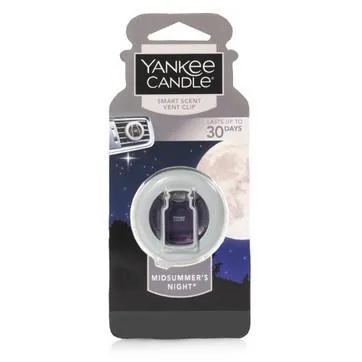
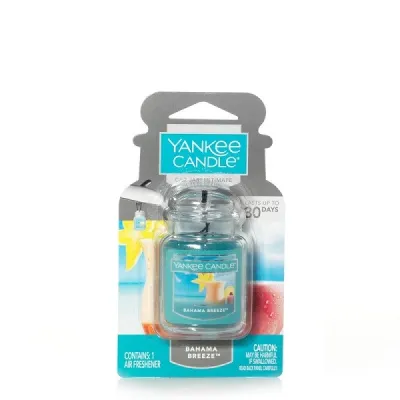
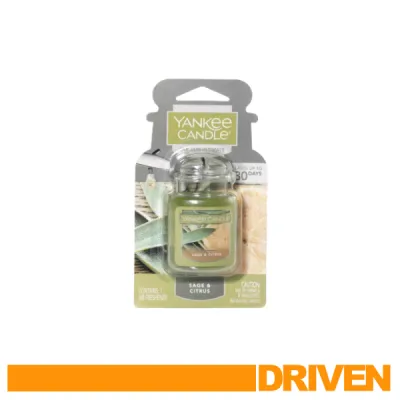

Prices are valid at publication and may change. Please refer to the product page for the latest price.
High ambient humidity further complicates how fragrances disperse within the cabin. Moisture-laden air can alter the evaporation rate of scented oils and gels, sometimes leading to an overwhelming burst of scent initially, followed by a rapid decline in longevity. Humidity can also affect the structural integrity of paper-based or cardboard fresheners, causing them to absorb moisture from the air and lose their shape or effectiveness more quickly than they would in a drier climate.
There is also a stark contrast between the environmental stress experienced during active driving and when the car is parked. While driving with the air conditioning running, the cabin temperature drops, and humidity levels are actively managed by the vehicle’s climate control system. However, once the engine is turned off and the car is left in an open-air parking lot, the sudden spike in temperature and humidity puts immediate physical stress on the freshener’s packaging and materials.
Evaluating Yankee Candle Car Formats for Hot Weather
To find the most reliable option for your vehicle, it is helpful to evaluate how different Yankee Candle car formats respond to extreme heat. The primary physical risks in a hot cabin include liquid expansion, seal failure, and accelerated evaporation of the fragrance medium. If a product is not designed to withstand these thermal shifts, it may leak, warp, or lose its scent within a fraction of its intended lifespan.

When comparing formats, you should focus on three main criteria: spill risk, scent consistency, and placement flexibility. A format that performs exceptionally well in a cool, shaded garage might struggle on an open-air rooftop parking lot in Singapore. By assessing these factors, you can choose a product that aligns with your daily routine, protects your car’s interior, and ensures you get the full value of your purchase.
Car Jars and Hanging Formats
Hanging formats, such as the classic car jar designs, are popular for their iconic look and direct scent delivery, but they require careful management in hot climates. Many of these products utilize a gel or liquid medium housed within a small container. Under intense heat, liquids and gels naturally expand, which can put pressure on the container’s seals and potentially lead to slow leaks or sudden spills if the unit is damaged or hung incorrectly.
Before hanging any liquid or gel-based freshener, always check the manufacturer’s instructions regarding fill lines, upright positioning, and seal integrity. It is critical to ensure the container remains completely upright and does not contact any interior surfaces. If a hanging jar swings freely and touches the rearview mirror housing, dashboard plastic, or windshield glass, the concentrated fragrance oils can chemically react with these materials, causing permanent discoloration, melting, or cracking.
Direct sunlight also accelerates the evaporation of the scented gel inside the jar. When hung directly from the rearview mirror, the product is exposed to constant ultraviolet (UV) radiation and maximum heat. This exposure can cause the scent to release too quickly, resulting in an overpowering aroma for the first few days, followed by a prematurely dried-out product that no longer throws any fragrance. If you prefer this format, hanging it in a slightly shaded area away from direct windshield exposure can help extend its lifespan.
Vent Clips and Refills
Vent clips offer a more controlled method of scent dispersion by utilizing the vehicle’s active airflow. These devices attach directly to the air conditioning vent blades, releasing fragrance as air passes through the unit. Because they rely on the AC system, the scent throw is highly efficient when you are driving, but it naturally tapers off when the vehicle is parked and the ventilation system is off.
Before purchasing a vent clip, you must verify its compatibility with your specific vehicle’s vent design. Car vents vary widely in blade thickness, orientation (horizontal versus vertical), and material strength. Heavy or poorly fitting clips can strain delicate plastic blades, potentially causing them to sag or snap over time. Always check your vehicle owner’s manual or inspect the vent blades to ensure they can support the weight of the clip.
Leaking is another consideration for vent clips that use liquid refills. When the cabin heats up while parked, the air inside the refill cartridge can expand, occasionally forcing liquid out of the membrane or seal. If this concentrated oil drips onto the dashboard or center console plastics, it can strip paint, dissolve soft-touch coatings, or damage electronic buttons. Regularly checking the clip for any signs of moisture or residue is essential to protect your dashboard surfaces. If you notice any dampness, remove the clip immediately and clean the vent blade.
Sachets and Solid Formats
Sachets and solid-material fresheners represent one of the most stable options for tropical climates because they do not rely on free-flowing liquids or soft gels. These formats typically use scented polymers, ceramic discs, or infused fabrics to hold the fragrance. Because there is no liquid to expand or spill, the risk of catastrophic leaks onto your car’s upholstery or dashboard is virtually eliminated.
While solid formats are highly stable, you should still verify their material limits by reading the product labels. Some solid polymers can soften or become sticky if subjected to extreme, direct heat on a dashboard. However, when placed in shaded areas, they maintain their structural integrity exceptionally well. The primary trade-off with solid formats is their scent throw; without active airflow or liquid evaporation, the fragrance dispersion may be more subtle, making them less effective in very large cabins or highly ventilated spaces.
To maximize the lifespan of a sachet or solid freshener, look for concealed placement zones that are shielded from direct sunlight. Placing the product under a seat, inside a door pocket, or within a center console compartment keeps it cool and prevents UV rays from breaking down the fragrance compounds too quickly. This shaded placement ensures a slower, more consistent release of scent over several weeks, making it a highly practical choice for daily commuters.
Safe Placement and Maintenance in High Temperatures
Maximizing the lifespan of your car freshener while safeguarding your vehicle’s interior requires a combination of strategic placement and routine maintenance. High-risk zones include any area in direct line of sight of the windshield, such as the top of the dashboard, the rearview mirror, or the front instrument cluster. These spots experience the highest temperature spikes and UV exposure. Instead, opt for safer, shaded zones like the lower dashboard vents, under-seat brackets, or rear passenger door pockets.
Developing a quick inspection routine can save you from costly interior repairs. Every week or two, especially after your car has been parked outdoors for an extended period, take a moment to inspect your air freshener. Look for signs of physical degradation, such as bulging plastic housings, cracked seals, discoloration of the product casing, or any oily residue on nearby surfaces. If you notice any changes in the product’s structure, remove it immediately and wipe down the area with a damp microfiber cloth.
Implementing basic cabin cooling strategies also goes a long way in preserving both your freshener and your car’s interior materials. Using a high-quality, reflective front windshield sunshade blocks a significant portion of solar radiation, keeping the dashboard and rearview mirror areas substantially cooler. Additionally, if you park in a secure location, cracking your windows by just a few millimeters can help hot air escape, reducing the peak temperatures inside the cabin and preventing the extreme thermal expansion that leads to freshener leaks. These simple habits protect your vehicle’s interior surfaces and ensure your chosen fragrance lasts as long as possible.
Frequently Asked Questions (FAQ)
Can I leave liquid car jars in the car when parked outdoors in Singapore?
Leaving liquid-based car jars in a vehicle parked under the intense Singapore sun carries a distinct risk of leakage and rapid product depletion. When cabin temperatures climb, the liquid inside the jar expands, which can compromise the container’s seals or cause the liquid to seep through the hanger mechanism. If you must park outdoors regularly, it is highly recommended to use a reflective front sunshade to shield the hanging jar from direct sunlight, or temporarily move the jar to a cooler, shaded area like the glove box or center console to prevent heat-induced damage. Taking these precautions ensures the product remains intact and does not cause accidental damage to your rearview mirror or dashboard.
Do vent clips damage car air conditioning vents over time?
Vent clips generally do not cause damage if they are compatible with your vehicle’s vent design and installed correctly. However, thin or fragile plastic vent blades can warp or crack under the weight of a heavy clip, especially when softened by cabin heat. Additionally, if a liquid refill leaks, the concentrated fragrance oil can chemically react with the plastic or metallic finish of the vent surround, leading to peeling or discoloration. To prevent this, always verify the clip’s fit on a single blade, avoid forcing a tight clip onto a thick vent, and regularly inspect the unit for any signs of liquid leakage. If your vehicle has delicate or custom vents, a solid sachet placed under the seat may be a safer alternative.

Community discussion
Share your experience or ask a question. Comments are reviewed before publication.