
Choosing the right handlebar style for your Yamaha RXZ is one of the most impactful decisions you can make to define your motorcycle’s ergonomics, control, and overall character. The iconic two-stroke Yamaha RXZ remains a cherished classic on Singapore’s roads, but finding the perfect setup requires balancing personal riding preferences with strict local regulations. Whether you are searching for a direct replacement like an rxz catalyzer handle bar to maintain factory specifications or looking to modify your posture with risers, clip-ons, or ape hangers, your choice will fundamentally alter how the bike handles.
The ideal style depends entirely on your primary riding environment. For daily commuters navigating dense urban traffic, stock or mild riser handlebars offer the best balance of maneuverability and comfort. Sport-oriented riders looking for high-speed stability may lean toward clip-ons, while custom enthusiasts might eye the dramatic profile of ape hangers. However, before purchasing any aftermarket components, you must evaluate how these changes affect your physical comfort, steering leverage, and compliance with local guidelines.
How to Choose the Right Handlebar for Your RXZ
To find the perfect handlebar for your Yamaha RXZ, you must evaluate three core dimensions: riding posture, handling characteristics, and aesthetic preferences. Your riding posture is determined by the spatial relationship between your seat, footpegs, and hands. A handlebar that sits too low or too far forward transfers excessive weight to your wrists, shoulders, and lower back, which can quickly lead to fatigue during long rides. Conversely, a bar that is too high can cause wind-buffeting strain on your chest and upper arms at highway speeds.
Products mentioned in this guide
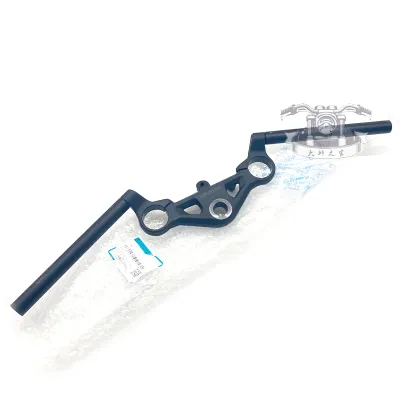
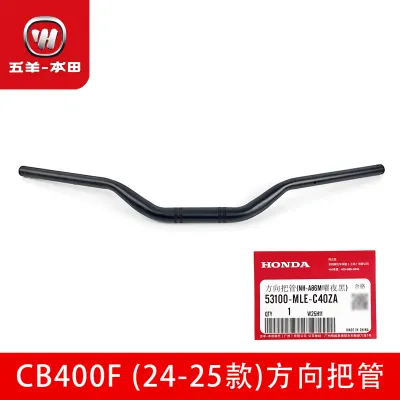
Prices are valid at publication and may change. Please refer to the product page for the latest price.
Handling characteristics are directly tied to steering leverage. Wider handlebars provide more leverage, making it easier to flick the lightweight RXZ through tight corners or navigate slow-moving traffic. Narrower bars, such as clip-ons, reduce your steering leverage but offer a more aerodynamic profile and high-speed stability. You must decide whether your typical route involves quick, low-speed urban maneuvering or sustained high-speed cruising along the Pan Island Expressway (PIE) or East Coast Parkway (ECP).
Aesthetics also play a significant role, as the Yamaha RXZ has a timeless, sporty silhouette. While modifying the bars can give your bike an aggressive cafe racer look or a relaxed cruiser vibe, you must never sacrifice safety or control for visual appeal. A handlebar that looks striking but ruins the bike’s natural balance will ultimately diminish your riding enjoyment and increase safety risks.
In Singapore, the compliance context is a non-negotiable factor in your decision-making process. The Land Transport Authority (LTA) maintains strict standards regarding motorcycle modifications to ensure road safety. Any changes to the steering geometry, handlebar height, or overall width of the vehicle must comply with these regulations. Installing excessively wide or high handlebars can result in failed vehicle inspections, costly fines, or even the de-registration of your motorcycle.
Before committing to a specific style, take the time to log your typical weekly mileage and note where you experience physical discomfort. If your wrists ache after a short commute, your current setup is likely too low or angled incorrectly. If you feel out of control during tight turns, you may need a wider bar that offers better leverage. Aligning your handlebar choice with your actual usage patterns ensures a safer, more comfortable, and legally compliant riding experience.
Top Handlebar Styles for the Yamaha RXZ
Stock and OEM-Style Handlebars
For many owners, restoring or maintaining the Yamaha RXZ to its original glory is the ultimate goal. Standard replacement options, such as the classic rxz catalyzer handle bar, are engineered specifically to match the factory ergonomics designed by Yamaha. These handlebars provide a neutral riding posture that positions your hands at a natural height and width, distributing your body weight evenly across the saddle and footpegs. This balanced setup is highly suited for daily commuting, urban navigation, and long hours in Singapore’s stop-and-go traffic.

The primary benefit of choosing an OEM-style or genuine rxz catalyzer handle bar is predictable, reliable handling. Because the bike’s steering geometry remains exactly as the manufacturer intended, you will experience consistent steering response without any unexpected chassis feedback. Furthermore, choosing a stock-profile bar guarantees absolute LTA compliance, eliminating the stress of annual vehicle inspections or roadside spot checks.
When purchasing an aftermarket replacement meant to mimic the stock profile, you must verify the exact specifications. Ensure the center clamp diameter matches your RXZ’s original triple clamp (typically 22mm or 7/8 inches). Additionally, check that the bar features the correct pre-drilled locating holes or dimensions to accommodate your OEM switch housings, throttle sleeve, and front brake master cylinder assembly without modification.
Riser Handlebars
Riser handlebars, or standard bars paired with aftermarket handlebar risers, elevate the mounting point of the grips. This style is highly popular among riders who use their Yamaha RXZ for touring or daily commuting and find the stock position slightly too low. By raising the handlebars by a few centimeters, you can adopt a more upright, relaxed posture. This position significantly reduces the strain on your lower back, neck, and wrists, making long-distance journeys far more tolerable.
While the ergonomic benefits are clear, elevating your handlebars introduces several physical and mechanical limitations. Raising the bars alters the steering leverage, which can make the steering feel lighter but sometimes less communicative at higher speeds. Mechanically, even a small increase in height can stretch your control cables to their absolute limits. You will likely need to reroute or replace your front brake hose, clutch cable, throttle cables, and electrical wiring harness with longer aftermarket versions to prevent binding when turning.
Before installing risers, you must perform a clearance check. Turn the handlebars fully to the left and right (full steering lock) to ensure the newly elevated bars, levers, or your hands do not strike the fuel tank, front fairing, or instrument cluster. Any contact at full lock can restrict your turning radius, presenting a severe safety hazard during low-speed maneuvers or parking.
Clip-On Handlebars
Clip-on handlebars mount directly to the individual fork tubes rather than a central triple clamp, lowering the hand position significantly. This style is the hallmark of sportbikes and cafe racers, giving the Yamaha RXZ an aggressive, aerodynamic profile. By lowering your upper body, clip-ons reduce wind resistance and lower your center of gravity, which improves high-speed stability and front-end feedback during spirited riding or track days.
However, the aggressive posture of clip-ons comes with substantial ergonomic trade-offs. Because your body is leaned forward, a significant portion of your weight is transferred directly onto your wrists and palms. In slow-moving, congested city traffic, this posture can rapidly cause fatigue, wrist pain, and numbness. The forward lean also forces you to crane your neck upward to keep your eyes on the road, which can lead to neck and shoulder strain over time.
The installation of clip-ons on a Yamaha RXZ is mechanically complex. Because they clamp directly to the forks, you must ensure there is sufficient space on the fork tubes above or below the upper triple clamp. You may need to slide the fork tubes up slightly in the clamps, which alters the bike’s steering geometry and quickens steering response—a change that requires careful adjustment to avoid high-speed instability. Additionally, you must reposition the front brake master cylinder, clutch perch, and instrument cluster to prevent interference.
Ape Hanger Handlebars
Ape hanger handlebars are characterized by their dramatic height, rising far above the triple clamp to position the rider’s hands at shoulder level or higher. While highly uncommon on sporty two-strokes, some custom builders install mild ape hangers on the Yamaha RXZ to achieve a unique, retro-cruiser aesthetic. This style provides a highly distinct visual profile and a completely relaxed, arms-up riding position that stands out in any custom motorcycle show.
Despite their striking appearance, ape hangers introduce severe handling drawbacks that compromise the RXZ’s agile nature. The extreme height drastically reduces your steering leverage and increases the effort required to initiate a turn. Low-speed maneuvers become heavy, awkward, and less responsive, which can be highly dangerous when navigating tight city streets or avoiding sudden obstacles. Furthermore, holding your arms up for extended periods can restrict blood circulation, leading to rapid arm fatigue and reduced control over the throttle and brakes.
In Singapore, installing ape hangers carries an exceptionally high regulatory risk. The LTA enforces strict limits on the maximum height and width of motorcycle handlebars to ensure that the rider always maintains optimal control. Ape hangers almost always exceed these legal limits, making your motorcycle non-compliant. Riding a non-compliant bike on public roads can result in heavy penalties, vehicle impoundment, and a complete denial of insurance coverage in the event of an accident.
Quick Comparison of RXZ Handlebar Styles
To help you make an informed decision, the table below summarizes the key characteristics, target use cases, comfort levels, and regulatory risks associated with each handlebar style for the Yamaha RXZ.
| Handlebar Style | Riding Posture | Best Use Case | Comfort Level | LTA Compliance Risk | Cable Modification Required |
|---|---|---|---|---|---|
| Stock / OEM Style | Neutral, balanced | Daily commuting, urban riding | High (balanced) | Low (guaranteed compliant) | No (direct fit) |
| Riser Handlebars | Upright, relaxed | Long-distance touring, commuting | Very High (for back/wrists) | Low to Medium | Yes (longer cables usually required) |
| Clip-On Handlebars | Aggressive, forward-leaning | Sport riding, track days | Low (high wrist strain in traffic) | Medium | Yes (repositioning and routing adjustments) |
| Ape Hanger Handlebars | High, arms-up | Custom builds, retro styling | Low to Medium (causes arm fatigue) | High (frequently exceeds legal limits) | Yes (extensive cable extensions required) |
Crucial Checks Before Upgrading Your RXZ Handlebars
Modifying your motorcycle’s handlebars is not a simple plug-and-play upgrade; it involves critical control systems that directly impact your safety on the road. Before you purchase or install any new handlebar components, you must perform several essential checks to ensure mechanical compatibility and safe operation.
- Cable and Line Routing: Whenever you alter the height or width of your handlebars, you change the distance that your control cables must travel. Before installing new bars, measure your existing front brake hoses, clutch cables, throttle cables, and electrical wiring. If you are moving to taller riser bars or wider options, your stock cables may become dangerously tight when the steering is turned. A cable that is too tight can pull on the throttle or engage the clutch unexpectedly during a sharp turn, leading to a loss of control. Conversely, if you install lower clip-ons, excess cable slack can kink or catch on front-end components. Always ensure your cables have a smooth, unobstructed path with adequate slack throughout the entire steering range.
- Clamp Diameter and Switch Compatibility: The Yamaha RXZ triple clamp is designed to hold handlebars of a specific diameter at the mounting point, typically 22mm (7/8 inches). You must verify that your new handlebar matches this diameter exactly; attempting to force a 25.4mm (1 inch) bar into a 22mm clamp, or using shims incorrectly, can result in a loose connection that could slip while riding. Additionally, check the outer diameter of the bar ends where your grips and switch housings mount. The standard outer diameter is 22mm. If the replacement bar is too thick or lacks the necessary locating holes for the switch housing pins, you will not be able to secure your control pods properly, causing them to rotate when you try to use the indicators or horn.
- Steering Clearance Test: Once the new handlebars are temporarily mounted, you must perform a physical steering clearance test before finalizing the installation. Slowly turn the handlebars from the far-left stop to the far-right stop. Observe the clearance between the handlebars, levers, mirrors, and your hands against the fuel tank, front fairing, and instrument cluster. There must be at least a few centimeters of clearance at all points. If any part of the handlebar assembly strikes the bike's bodywork, it can restrict your turning radius, damage your paint, or even accidentally engage the front brake or clutch, which is incredibly dangerous.
- Professional Installation and Alignment: Because your handlebars control the steering and house your primary braking and throttle controls, proper installation is paramount. If your upgrade involves replacing hydraulic brake lines, bleeding the brake system, or adjusting the steering stem alignment, you should consult a qualified motorcycle mechanic at a licensed workshop in Singapore. Professional installation ensures that all fasteners are torqued to manufacturer specifications, hydraulic lines are free of air bubbles, and the steering alignment is perfectly centered. Never compromise on safety to save on installation costs; a mechanical failure at highway speeds can have catastrophic consequences.
Frequently Asked Questions (FAQ)
Are aftermarket handlebars legal for motorcycles in Singapore?
In Singapore, the Land Transport Authority (LTA) strictly regulates all vehicle modifications, including motorcycle handlebars, to maintain high road safety standards. Any modification that alters the original physical dimensions of the motorcycle—such as significantly increasing the width or height of the handlebars—is generally considered illegal unless it has been explicitly inspected and approved by the LTA.
Standard replacement bars, like an aftermarket rxz catalyzer handle bar that closely matches the factory specifications, are typically acceptable because they do not alter the vehicle’s approved dimensions or steering geometry. However, if you plan to install extreme risers, clip-ons, or ape hangers, you should consult an authorized vehicle inspection center or refer to the latest LTA guidelines before making any purchases. Riding with unauthorized steering modifications can lead to fines, inspection failures, and a mandate to restore the bike to its stock configuration.
Will changing handlebars affect my motorcycle insurance?
Yes, changing your handlebars can have a significant impact on your motorcycle insurance policy in Singapore. Insurance providers assess your premium and coverage based on the vehicle’s factory specifications and risk profile. Modifying a critical control component like the handlebars alters how the bike handles and can be viewed as an increased risk by the insurer.
If you make any modifications to your handlebars, you are legally obligated to declare these changes to your insurance provider. Failure to declare modifications can completely void your policy. In the event of an accident, if the insurer discovers that you installed unapproved or undeclared handlebars, they may deny your claim entirely, leaving you personally liable for all damages and medical expenses. Always obtain written confirmation from your insurer that they accept the modifications before riding your bike on public roads.
Community discussion
Share your experience or ask a question. Comments are reviewed before publication.