
Replacing a motorcycle battery is a straightforward maintenance task, but it requires careful attention to technical specifications. For owners of the Yamaha MT-15, selecting the correct battery involves verifying critical electrical parameters, physical dimensions, and terminal configurations. Because motorcycle electrical systems are highly sensitive, installing an incompatible battery can lead to starting failures, electrical faults, or even damage to the engine control unit (ECU). Before purchasing any replacement, always consult your specific vehicle documentation and the original equipment manufacturer (OEM) label to confirm compatibility. If you are uncomfortable handling electrical components, seek assistance from a qualified professional technician to ensure a safe installation.
Core Electrical Specifications to Verify
The Yamaha MT-15 relies on a standard 12-volt (12V) direct current electrical system to power its ignition, fuel injection, digital instrument cluster, and LED lighting. When shopping for a replacement battery, the first specification to verify is this nominal voltage. Installing a battery with incorrect voltage will cause immediate and potentially catastrophic damage to the motorcycle’s electrical components.
Beyond voltage, you must check the battery’s capacity, which is measured in Amp-hours (Ah). The Ah rating indicates how much electrical charge the battery can deliver over a specific period. For a lightweight street bike like the MT-15, the battery capacity must match the original manufacturer specifications to ensure the charging system can maintain it properly. Refer to your owner’s manual or check the label on the factory-installed battery to find the exact Ah rating required for your specific model year.
Products mentioned in this guide
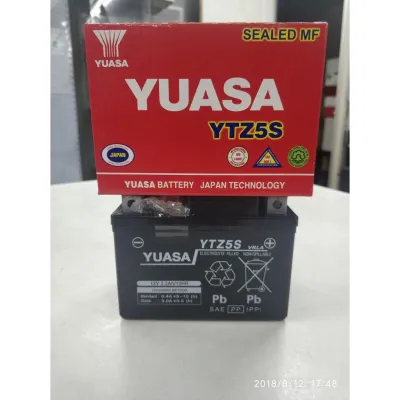
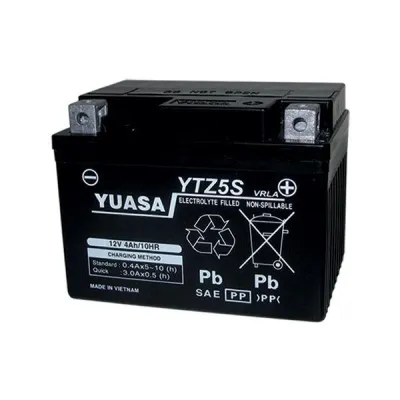
Prices are valid at publication and may change. Please refer to the product page for the latest price.
Another critical electrical metric is the Cold Cranking Amps (CCA) or equivalent starting current rating. CCA measures the battery’s ability to deliver a high burst of current to start the engine under demanding conditions. While extreme cold is rarely an issue in tropical climates, a battery with an adequate starting current rating ensures reliable ignition every time you press the starter button. Always verify that the replacement battery meets or exceeds the starting current specified by the manufacturer.
Physical Dimensions and Terminal Layout
Even if a battery matches the required electrical specifications, it must physically fit into the MT-15’s dedicated battery compartment. The battery tray on this motorcycle is designed with tight tolerances, meaning there is very little room for error. Before buying, use a caliper or ruler to measure the maximum length, width, and height of your existing battery, and compare these measurements with the specifications of the replacement unit. A battery that is too large will not fit, while one that is too small may vibrate excessively, leading to internal damage or loose connections.

Terminal orientation is equally important when selecting a replacement battery. The positive (+) and negative (-) terminals must be positioned exactly as they are on the original battery. If the terminals are reversed, the motorcycle’s battery cables may not reach the posts without dangerous stretching or strain. Attempting to force the cables or accidentally crossing the connections can cause a short circuit, blow critical fuses, or destroy the motorcycle’s main wiring harness.
Additionally, inspect the terminal type and the required bolt sizes. Motorcycle batteries typically use flush or recessed terminals that secure the cables with small bolts and nuts. Ensure the replacement battery includes the correct hardware and that the terminal design allows for a clean, vibration-resistant connection. Loose terminals can cause intermittent power loss, engine stalling, or charging system malfunctions while riding.
Evaluating Battery Chemistry Options
When choosing a replacement battery for the MT-15, you will encounter several battery chemistries. The most common and highly recommended option is the Maintenance-Free (MF) or Absorbed Glass Mat (AGM) lead-acid battery. These batteries are sealed at the factory, spill-proof, and highly resistant to the vibrations experienced during daily riding. They serve as the direct OEM equivalent, offering reliable performance without the need to top up electrolyte levels.
Some riders consider upgrading to Lithium-ion (specifically Lithium Iron Phosphate or LiFePO4) batteries due to their lightweight design and longer shelf life. However, before making this switch, you must verify that your MT-15’s stator and regulator-rectifier are compatible with lithium charging profiles. Lithium batteries require a stable charging voltage and can be permanently damaged or pose safety risks if subjected to overcharging or deep discharging. Additionally, they require a dedicated lithium-compatible smart charger for off-bike maintenance.
In contrast, traditional flooded or wet-cell lead-acid batteries are generally unsuitable for modern motorcycles like the MT-15. These older battery types require regular maintenance, including topping up with distilled water, and they carry a risk of spilling highly corrosive battery acid if the motorcycle is leaned over during cornering or parked on an incline. To protect your bike’s frame and electrical components, stick to sealed, maintenance-free options.
Pre-Purchase Verification Checklist
To ensure a seamless replacement process, follow this systematic checklist before finalizing your purchase. First, remove the seat or battery cover to access the original battery and read the OEM part number or group size code printed on the label. This alphanumeric code is the most reliable way to find direct aftermarket equivalents.
Next, cross-reference the aftermarket manufacturer’s compatibility charts with your verified physical dimensions and electrical specifications. Do not rely solely on generic online compatibility finders, as they may not account for regional model variations or year-to-year updates.
Before accepting the new battery, inspect the manufacturing date code stamped on the casing. Batteries degrade over time when left on a shelf without charging; try to purchase a unit that is less than six months old. Finally, ensure that any aftermarket battery you select complies with local road safety and environmental regulations, and always dispose of your old battery responsibly at an authorized recycling point.
Frequently Asked Questions (FAQ)
Can I install a higher capacity (Ah) battery in the MT-15?
While a slightly higher capacity battery can provide more reserve power for accessories, you are strictly limited by the physical dimensions of the MT-15’s battery box. A battery with significantly higher Amp-hours is almost always physically larger and will not fit. Furthermore, installing a battery with a capacity that far exceeds the original specification can place unnecessary strain on the motorcycle’s stock stator and regulator-rectifier, as the charging system may struggle to keep the oversized battery fully charged.
What are the common signs that the MT-15 battery needs replacement?
Common indicators of a failing battery include a sluggish engine crank when starting, dimming headlights or instrument panel lights when idling, and erratic behavior from the digital dashboard. If your clock resets every time you start the bike, the battery voltage is likely dropping too low. To confirm, use a digital multimeter to check the resting voltage; a healthy battery should read above 12.6V. During engine cranking, the voltage should not drop below 9.6V; if it does, the battery is weak and should be replaced.
Community discussion
Share your experience or ask a question. Comments are reviewed before publication.