
Finding the correct replacement battery for your fz16 yamaha is essential for maintaining the motorcycle’s reliable starting performance. The Yamaha FZ16, a popular commuter machine, relies on a specific battery configuration to power its ignition, starter motor, and instrument cluster. To ensure a seamless replacement, you must match the original equipment manufacturer (OEM) specifications, which typically require a 12-volt (12V) battery with a capacity of 4Ah to 5Ah—most commonly matching the YTX5L-BS or YT5A form factor. However, because electrical setups can vary slightly depending on the production year and regional market modifications, verifying your specific vehicle documentation before making a purchase is the safest path to a successful installation.
Why Exact Battery Specifications Matter for Your FZ16
The battery in your fz16 yamaha does far more than simply start the engine. Once the ignition key is turned, the battery must deliver a sudden, high-current discharge to the starter motor while stabilizing the electrical voltage across the entire system. This stabilization is critical for protecting sensitive electronic components, including the digital instrument console, the ignition control unit, and the lighting system, from damaging voltage spikes.
Using a battery with incorrect specifications introduces immediate mechanical and electrical risks. If the replacement unit lacks the required electrical capacity, the starter motor may struggle to turn the engine over, leaving you stranded during your daily commute. Conversely, attempting to force an oversized battery into the compartment can damage the surrounding wiring harness or the battery casing itself. Matching the OEM specifications ensures that the motorcycle’s charging system—consisting of the stator and the regulator-rectifier—can efficiently replenish the battery without overheating or suffering premature wear.
Products mentioned in this guide
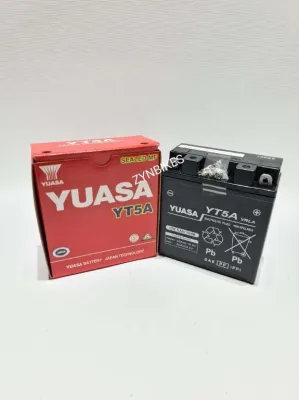
Prices are valid at publication and may change. Please refer to the product page for the latest price.
Key Battery Specifications to Check Before Buying
Selecting a compatible battery requires looking beyond the brand name or a generic label. To guarantee that the replacement functions safely and fits perfectly, you must evaluate three distinct categories of specifications: electrical output, physical dimensions, and terminal configuration.

Voltage and Capacity (Ah)
The electrical system of the fz16 yamaha operates on a standard 12-volt direct current (DC) architecture. Consequently, any replacement battery must be rated at exactly 12V to prevent catastrophic damage to the motorcycle’s electrical components.
Ampere-hour (Ah) represents the battery’s energy storage capacity, indicating how much current the battery can deliver over a specific period. For the FZ16, the OEM capacity is typically specified between 4Ah and 5Ah. Installing a battery with a lower Ah rating may result in weak starting power, especially after the motorcycle has been parked for several days. While a slightly higher Ah rating can provide more reserve capacity, a significantly larger capacity is highly discouraged; the stock stator and regulator-rectifier are calibrated to charge a specific capacity range, and an oversized battery may remain perpetually undercharged, leading to rapid plate sulfation and premature battery failure.
Physical Dimensions and Fitment
Even if a battery matches the electrical requirements perfectly, it is useless if it cannot physically fit into the designated battery tray. You must measure the length, width, and height of your existing battery or check the dimensions of the battery box under the seat before purchasing a replacement.
A precise physical fit is critical for safety on the road. The battery compartment on the FZ16 is designed with tight tolerances to prevent the battery from moving during operation. If a replacement battery is even a few millimeters too small, it will slide within the tray, subjecting the internal lead plates to severe vibration. Over time, this constant shaking can crack the internal connections or loosen the terminal connections, resulting in sudden electrical failure while riding. Conversely, a battery that is too large will prevent the hold-down bracket or protective rubber straps from securing properly, potentially pinching nearby wires against the frame.
Terminal Layout and Polarity
Terminal layout refers to the physical positioning of the positive (+) and negative (-) terminals on the top of the battery casing. For the fz16 yamaha, the positive terminal must align precisely with the motorcycle’s positive battery cable, and the negative terminal must align with the ground cable.
Choosing a battery with reversed polarity—where the positive and negative terminals are on opposite sides compared to the OEM layout—creates a severe safety hazard. The wiring harness on the FZ16 is pre-routed and cut to a specific length with very little slack. If the terminals are reversed, you may be tempted to stretch the cables to make them reach, which places dangerous tension on the electrical connections and can wear through the wire insulation against the frame. Attempting to connect the cables to the wrong terminals can cause an immediate short circuit, blowing the main fuse or permanently damaging the motorcycle’s ignition system.
How to Verify Your Current FZ16 Battery Specs
To eliminate guesswork, the most reliable method is to inspect the battery currently installed in your motorcycle. Start by securing your motorcycle on its center stand on a flat surface and turning off the ignition. The battery compartment on the fz16 yamaha is located beneath the rider’s seat, which can be accessed by removing the side panels and unlocking the seat mechanism using your ignition key or designated mounting bolts, depending on your specific model year.
Once the seat is removed, you will see the battery secured by a rubber strap or a metal bracket. Before disconnecting anything, clean any dust or road grime off the top label of the battery. Look for the manufacturer’s model code, which is typically printed in a bold alphanumeric format (for example, YTX5L-BS or YT5A). This code is an industry-standard identifier that represents the exact dimensions, terminal layout, and electrical specifications of the battery.
Write down this model code along with the listed voltage and capacity. It is highly recommended to cross-reference these findings with your official Yamaha owner’s manual. This step is crucial because a previous owner may have installed an incorrect aftermarket battery that barely fits or does not meet the manufacturer’s original specifications. If the manual and the installed battery display conflicting information, always prioritize the specifications outlined in the official manufacturer documentation.
Installation Safety and Maintenance Boundaries
Replacing a motorcycle battery is a straightforward task, but it requires strict adherence to safety protocols to prevent personal injury or damage to the vehicle’s electrical system. Before starting, ensure you are working in a well-ventilated area away from open flames. Always wear eye protection and protective gloves to shield yourself from potential acid contact or electrical sparks.
When removing the old battery, always disconnect the negative (black) terminal first, followed by the positive (red) terminal. This specific sequence is a critical safety boundary: if your wrench touches the metal frame of the motorcycle while loosening the positive terminal first, it will create a direct electrical short, resulting in massive sparks, potential burns, and damage to the electrical system. When installing the new battery, reverse this sequence by connecting the positive terminal first and the negative terminal last.
Before securing the new connections, inspect the cable terminals for corrosion, which often appears as a white or bluish powdery deposit. Clean the terminals thoroughly using a wire brush or a specialized terminal cleaning tool. Apply a thin, even layer of dielectric grease to the clean metal surfaces to protect them from moisture and oxidation, which is especially common in humid tropical climates like Singapore. Finally, secure the battery with the OEM hold-down bracket, referring to your service manual for any specific torque limits to avoid cracking the plastic battery casing. If you notice that the wiring harness insulation is brittle, cracked, or if the battery tray itself shows signs of structural damage, stop immediately and consult a qualified professional mechanic before proceeding.
Frequently Asked Questions (FAQ)
Can I use a higher Ah battery in my Yamaha FZ16?
While a battery with a slightly higher Ah rating (such as upgrading from 4Ah to 5Ah) can offer a minor increase in reserve capacity, you must verify that it matches the exact physical dimensions of the FZ16 battery box. You should avoid installing a battery with a significantly higher Ah rating. The motorcycle’s charging system is designed to support a specific load; an excessively large battery can strain the stator and regulator-rectifier, leaving the battery perpetually undercharged and shortening its overall lifespan.
Does the FZ16 require a maintenance-free (MF) battery?
Yes, modern iterations of the fz16 yamaha are designed to use sealed Maintenance-Free (MF) or Absorbent Glass Mat (AGM) batteries. These batteries are factory-sealed, spill-proof, and highly resistant to the vibrations encountered during daily riding. You should avoid using older conventional flooded lead-acid batteries that require regular topping up with distilled water. Flooded batteries can leak highly corrosive battery acid through their vent tubes during aggressive cornering or if the motorcycle is tilted, which can severely damage the motorcycle’s frame, swingarm, and electrical wiring.
Community discussion
Share your experience or ask a question. Comments are reviewed before publication.