
Selecting the right portable tire inflator requires balancing convenience, speed, and reliability. The Xiaomi Pump 2 Pro is highly suitable for everyday passenger cars, motorcycles, and bicycles due to its compact size, digital interface, and preset pressure features. It offers an efficient solution for routine top-ups and emergency pressure adjustments without requiring a connection to a vehicle’s physical power port.
However, for large SUVs, off-road vehicles, or frequent heavy-duty use requiring continuous operation, alternatives with larger batteries, higher continuous airflow, or direct 12V car socket power might be more appropriate. Determining whether this specific cordless model fits your automotive toolkit depends on understanding how its technical limits align with your vehicle’s specifications.
Key Specifications to Compare in Portable Tire Inflators
When evaluating any portable tire inflator, looking past marketing claims to focus on core engineering specifications is essential. Manufacturers design these compact devices with specific trade-offs between physical size, motor power, and battery chemistry.
Products mentioned in this guide

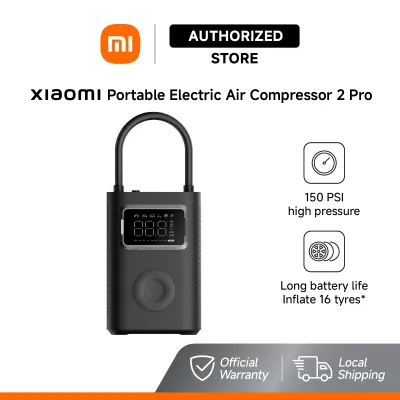
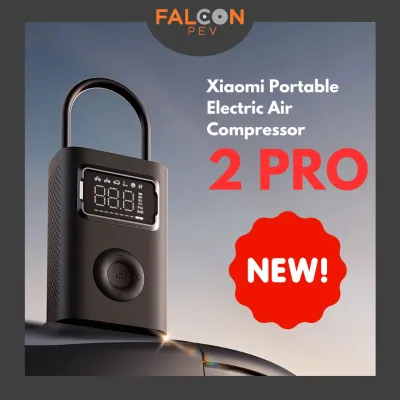
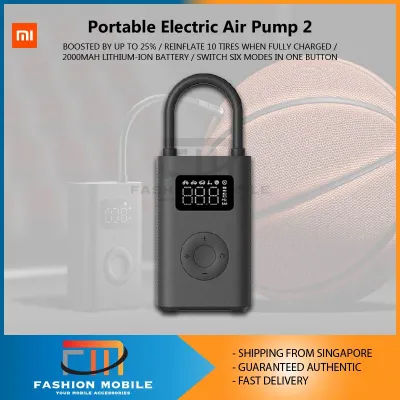
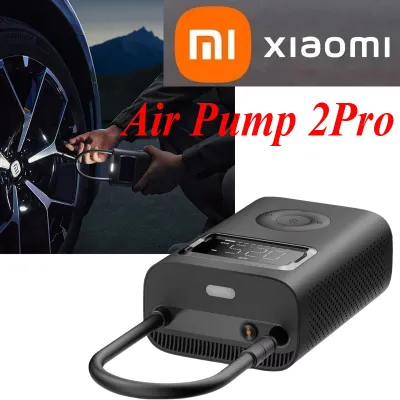
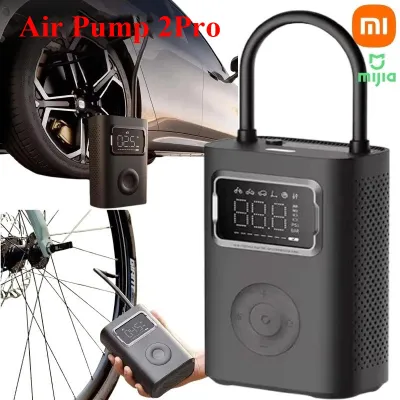
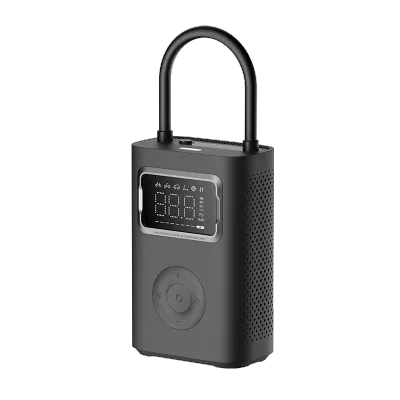
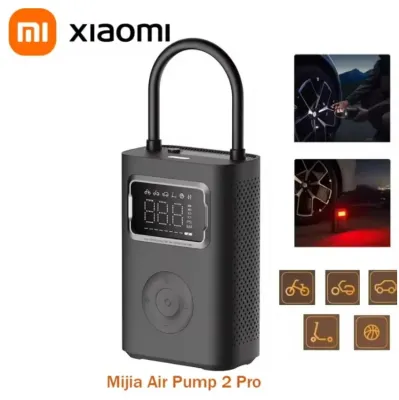
Prices are valid at publication and may change. Please refer to the product page for the latest price.
Maximum Pressure (PSI/Bar) and Airflow Rate (L/min)
Maximum pressure and airflow rate are two entirely distinct performance metrics. Maximum pressure, measured in PSI (Pounds per Square Inch) or Bar, indicates the maximum force the pump can exert. High maximum pressure is necessary for specialized applications like high-pressure road bicycle tires, which often require 100 to 120 PSI.
Airflow rate, measured in Litres per minute (L/min), determines how quickly the device can fill a specific volume. A pump with a high PSI rating but a low L/min rate will take a long time to inflate a large passenger car tire from flat, as car tires require a high volume of air at a relatively low pressure (typically 30 to 35 PSI). When comparing models, always verify the airflow rate at standard atmospheric pressure to gauge real-world inflation speed.
Battery Capacity and Power Delivery
Cordless inflators rely on internal lithium-ion batteries, usually rated in milliampere-hours (mAh) or Watt-hours (Wh). A higher battery capacity allows you to perform multiple top-ups on a single charge, which is highly convenient if you maintain multiple vehicles or use the device during long road trips.
In Singapore’s tropical climate, high ambient temperatures can accelerate lithium-ion battery self-discharge and long-term capacity degradation. If you store a battery-powered inflator inside a vehicle parked in unsheltered areas, the cabin temperature can rise significantly, stressing the battery cells. Understanding the battery chemistry and nominal voltage helps you evaluate how many tires the device can realistically service before requiring a USB-C or proprietary recharge.
Duty Cycle and Thermal Management
Every portable air compressor is limited by its duty cycle, which is the amount of time the motor can run continuously before it must be turned off to cool down. Small, reciprocating piston pumps generate intense friction and heat during operation.
Without adequate thermal management, such as internal cooling fans, heat sinks, or automatic thermal shutdown sensors, running an inflator continuously for more than 10 to 15 minutes can melt internal seals or damage the electric motor. High-quality inflators explicitly state their continuous run times and required cooldown periods in their user manuals.
Hose Length, Connectors, and Storage
Practical usability often comes down to physical ergonomics. A hose that is too short makes it difficult to position the inflator securely on the ground when the tire valve stem is positioned at the top of the wheel rotation.
Common connector types include:
- Thread-on valves: Provide a secure, airtight seal that prevents pressure loss during inflation but can be tedious to attach and detach.
- Quick-connect thumb-lock chucks: Allow rapid attachment and removal, minimizing the small hiss of escaping air when disconnecting, though cheap plastic variants can wear out over time.
- Presta valve adapters: Essential for specialized bicycle tires, typically screwing onto the main Schrader connector.
Evaluating the Xiaomi Pump 2 Pro for Everyday Tire Care
The Xiaomi Pump 2 Pro is designed as a highly portable, smart maintenance tool rather than a heavy-duty recovery compressor. Its physical design and software integration are tailored for quick, user-friendly operation.

Smart Preset and Auto-Stop
One of the primary advantages of the Xiaomi Pump 2 Pro is its integrated digital pressure sensor and microchip controller. The user interface allows you to cycle through pre-programmed modes (such as car, motorcycle, bicycle, and ball) or set a custom target pressure manually.
Once the pump is connected and turned on, it measures the current tire pressure and displays it on the screen. When you start the inflation process, the device monitors the pressure in real time and automatically stops operating the moment the target threshold is reached. This auto-stop feature prevents over-inflation, reducing the risk of tire damage and eliminating the need to constantly monitor the process with a separate hand-held pressure gauge.
Form Factor and Portability
With its compact, block-like design and integrated hose storage, the Xiaomi Pump 2 Pro is built for space efficiency. The hose loop acts as the physical power switch; pulling the hose out of its storage port powers on the device, while inserting it back shuts it down.
This self-contained design means there are no loose cables or external hoses to tangle. It fits easily into a standard glove compartment, a door side pocket, or a motorcycle saddlebag. For urban drivers in Singapore who park in multi-storey car parks (MSCPs) or private condominiums where space is tight and wall outlets are unavailable, this cordless form factor offers excellent convenience.
Limitations to Verify
While highly convenient, the compact nature of the Xiaomi Pump 2 Pro introduces physical limitations that you must verify before purchase:
- Piston Size: The small internal cylinder and piston mean that its volumetric airflow rate is lower than that of larger, bulkier compressors.
- Duty Cycle: Because of its compact housing, heat dissipation is limited. The manufacturer specifies a maximum continuous runtime, after which the unit must rest to prevent overheating.
- Complete Refills: If you attempt to inflate four completely flat passenger car tires from 0 to 32 PSI in a single session, the battery may deplete, or the thermal protection system may pause operation before you finish.
How the Xiaomi Pump 2 Pro Stacks Up Against Alternatives
To determine if the Xiaomi Pump 2 Pro is the right tool for your vehicle, it helps to compare it against other common categories of portable tire inflators.
Xiaomi Pump 2 Pro vs. High-Capacity / Heavy-Duty Inflators
High-capacity inflators are typically larger, heavier units designed for off-road enthusiasts, commercial vehicles, and large SUVs. These devices often run on direct 12V DC power, connecting directly to your vehicle’s car battery terminals via alligator clips or a heavy-duty utility socket.
Key differences include:
- Airflow and Speed: Heavy-duty inflators often deliver airflow rates exceeding 40 to 50 L/min, allowing them to inflate a large SUV tire in a fraction of the time required by a compact cordless pump.
- Continuous Runtime: Many high-capacity models feature a 100% duty cycle at standard pressures, meaning they can run continuously without needing to stop and cool down.
- Portability Trade-off: These units are bulky, require storage in the boot, and depend on the vehicle's engine running to draw power. The Xiaomi Pump 2 Pro is far more convenient for quick weekly pressure top-ups, but it cannot match the raw speed and endurance of a dedicated 12V direct-battery compressor.
Xiaomi Pump 2 Pro vs. Basic / Analog Mini Inflators
Basic analog mini inflators represent the budget-friendly end of the market. These devices typically feature a simple mechanical pressure dial, an analog on/off toggle switch, and a long power cord that plugs into your car’s 12V cigarette lighter socket.
Key differences include:
- Operation: Analog pumps lack smart auto-stop features. You must keep your eyes on the physical dial gauge and manually flip the switch off when you think the tire has reached the correct pressure.
- Accuracy: Mechanical dial gauges are often less accurate than digital sensors and can be difficult to read in low-light conditions or at awkward angles.
- Power Independence: Because they do not contain internal lithium-ion batteries, analog 12V corded pumps can sit in your boot for years without requiring maintenance or charging. However, routing the long power cord through your car doors or windows to reach all four tires can be cumbersome compared to the cordless freedom of the Xiaomi Pump 2 Pro.
Decision Framework: Which Inflator Fits Your Needs?
To make an informed choice, evaluate your vehicle type, storage preferences, and typical usage scenarios against this conditional framework.
Choose the Xiaomi Pump 2 Pro if:
- You drive a standard passenger car, hatchback, sedan, or compact crossover.
- You ride a motorcycle, scooter, or bicycle, where storage space is extremely limited.
- You want a cordless, hassle-free device for regular, minor pressure maintenance.
- You park in shared residential car parks where running long power cables is impractical.
Choose a High-Capacity 12V Inflator if:
- You drive a large SUV, a 4×4 off-road vehicle, or a commercial van with high-volume tires.
- You frequently drive off-road and need to air down your tires for traction and quickly air them back up to highway pressures.
- You require a heavy-duty tool that can inflate multiple flat tires consecutively without pausing for thermal cooldowns.
Choose a Basic Analog Inflator if:
- You want an emergency-only backup tool that you can leave in your boot for years without worrying about battery degradation or charging states.
- You are on a strict budget and do not mind monitoring the inflation process manually.
- You prefer simple, purely mechanical tools with fewer electronic components that could fail over time.
Verify First
Before purchasing any inflator, open your vehicle’s driver-side door and locate the tire information placard on the door jamb. Note the recommended cold inflation pressure (typically listed in kPa or PSI) for both front and rear tires. Ensure that your chosen inflator’s maximum pressure rating and continuous airflow capacity are fully compatible with those specifications.
Safe Operation and Tire Maintenance Guidelines
Maintaining correct tire pressure is vital for vehicle safety, fuel efficiency, and tire longevity. Operating a portable inflator safely requires adhering to established automotive safety boundaries.
Pre-Inflation Checks
Before attaching any inflator, perform a thorough visual inspection of the tire. Look for signs of structural damage, including:
- Sidewall bulges or bubbles, which indicate internal ply separation.
- Deep cuts, cracks, or exposed steel belts.
- Embedded sharp objects like screws, nails, or road debris.
Never attempt to inflate a tire that exhibits visible structural damage, a compromised sidewall, or severe dry rot. Doing so can lead to a sudden, catastrophic tire blowout, risking severe injury. If you discover a puncture or structural compromise, consult a qualified tire professional or call a roadside assistance service.
Thermal and Duty Cycle Safety
Portable inflators generate significant heat, especially near the connection point between the air hose and the pump body. Always refer to the manufacturer’s instructions for the specific duty cycle of your device.
If the motor housing or the air hose becomes excessively hot to the touch, turn off the device immediately and allow it to cool down for at least 10 to 15 minutes. Never leave an operating inflator unattended, and keep the device clear of flammable materials or dry debris while it is running.
Pressure Verification
Built-in digital sensors on portable inflators are highly convenient, but they can occasionally read dynamic line pressure (the pressure inside the hose while air is actively moving) rather than the static pressure inside the tire. For safety-critical accuracy, always verify your final tire pressure using a dedicated, high-quality, calibrated tire pressure gauge.
Take this measurement when the tires are “cold”—meaning the vehicle has been parked for at least three hours or has been driven less than two kilometres. Driving heats up the air inside the tires, causing the pressure to expand and leading to an artificially high reading.
Storage in Hot Climates
Storing devices with internal lithium-ion batteries in Singapore requires extra care due to high ambient temperatures. Avoid leaving your portable inflator on the dashboard, parcel shelf, or any spot inside the vehicle cabin exposed to direct sunlight.
High heat can degrade the battery cells, reduce their overall lifespan, and in extreme cases, present a thermal safety risk. Store the device in a cool, shaded area of your vehicle, such as deep inside the boot or under a seat, and check its charge level every few months to ensure it is ready when you need it.
Frequently Asked Questions (FAQ)
How often should I check and top up my tire pressure?
You should check your tire pressure at least once a month and always before embarking on long road trips. Tires naturally lose pressure over time due to permeation through the rubber compounds. Additionally, ambient temperature changes affect tire pressure; a drop in temperature causes the air inside to contract, lowering the pressure, while heat causes it to expand. Regular checks help ensure optimal fuel economy, even tire wear, and predictable handling.
Can I use a portable inflator to seat a completely flat tubeless tire bead?
No, a compact portable battery-powered inflator cannot be used to seat a tubeless tire bead that has fully separated from the wheel rim. Seating a tire bead requires a sudden, massive volume of pressurized air delivered in a fraction of a second to force the rubber bead outward against the metal wheel flange. Small portable pumps deliver air in a low-volume, steady stream. Seating a bead safely requires a professional shop air compressor equipped with a high-flow chuck, a specialized bead seater tool, or professional assistance at a tire workshop.
Community discussion
Share your experience or ask a question. Comments are reviewed before publication.