
Maintaining optimal tire pressure is one of the simplest yet most critical aspects of vehicle safety, fuel efficiency, and tire longevity. When choosing between the Xiaomi Air Pump Pro and the standard Xiaomi Air Pump, the right decision depends on your specific vehicle lineup, how often you perform maintenance, and your tolerance for inflation wait times. While the Pro version is designed to offer enhanced thermal management and faster throughput for larger automotive tires, the standard version remains a highly portable, cost-effective tool for smaller personal mobility devices and occasional top-ups. To make an informed choice, you must evaluate the technical specifications of each model against your daily routine and vehicle requirements.
Key Specifications That Impact Daily Tire Maintenance
To understand how these two portable inflators perform in real-world scenarios, you must look closely at their internal engineering, starting with inflation speed and continuous operation limits. Portable air compressors generate a significant amount of heat during operation due to the rapid compression of air. The manufacturer’s specifications detail the duty cycle, which is the maximum continuous run-time allowed before the unit must shut down to cool. When comparing the Pro and standard models, check the official documentation for these run-time limits; a model with a robust cooling system and a longer duty cycle can inflate multiple car tires in succession without triggering thermal shutdown.
Battery capacity and power delivery are equally critical for reliable maintenance. Both models typically utilize rechargeable lithium-ion batteries, but their capacities and charging requirements differ. You should verify the battery rating in milliampere-hours (mAh) or watt-hours (Wh) on the product packaging. A larger battery capacity not only allows for more inflation cycles on a single charge but also ensures the device holds its charge longer when stored in your vehicle. Additionally, check the charging interface; while modern versions utilize USB-C ports, the input power requirements (such as 5V/2A or higher) dictate what type of car charger or power bank you need to keep the device ready for use.
Products mentioned in this guide
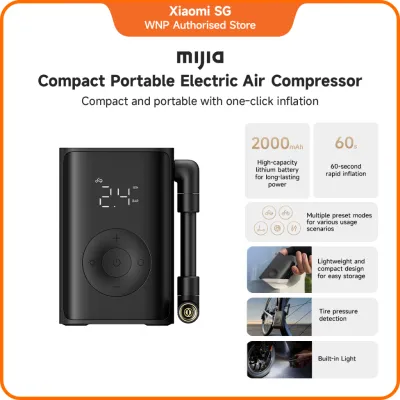
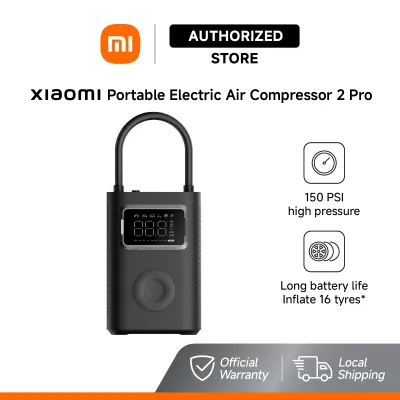
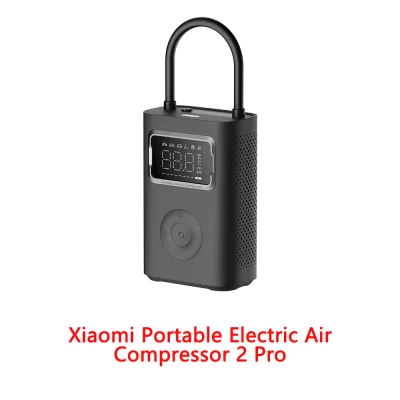
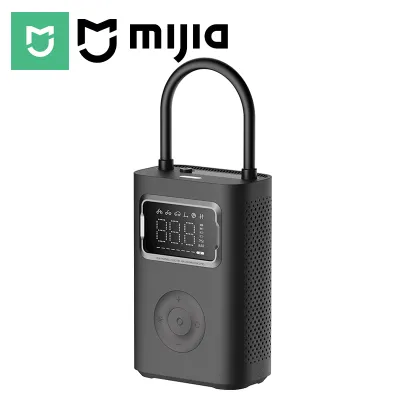
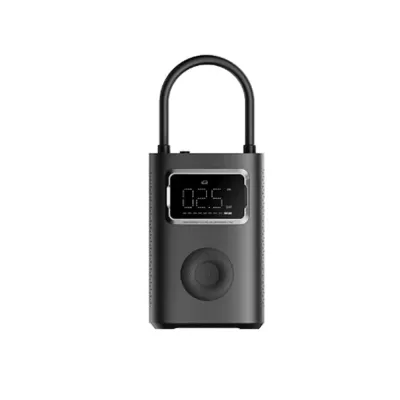
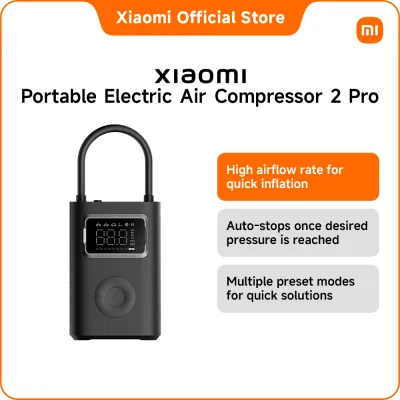

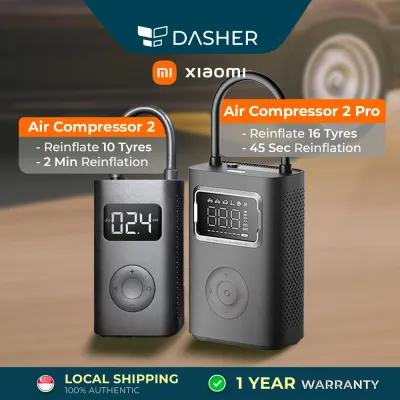
Prices are valid at publication and may change. Please refer to the product page for the latest price.
Heat dissipation and operational noise are direct indicators of build quality and motor efficiency. The Pro version is engineered with advanced heat dissipation grilles and internal cooling fans to manage the thermal energy generated by its high-output motor. This design helps maintain a lower operating temperature, protecting the internal seals and extending the overall lifespan of the compressor. Operational noise, measured in decibels (dB), is another factor to consider. High-performance motors can be loud, so reviewing the manufacturer’s noise ratings can help you choose a model that will not cause excessive disruption during early morning or late-night pressure checks.
Finally, physical dimensions and weight play a major role in how easily you can integrate the pump into your daily routine. The standard version is designed with ultra-portability in mind, featuring a compact footprint that easily fits into a cycling jersey pocket, a small backpack, or a motorcycle under-seat compartment. The Pro version, while still portable, typically features a larger chassis and a heavier build to accommodate its more powerful motor and enhanced cooling components. You must weigh the benefit of a smaller storage footprint against the performance advantages of a slightly larger, more robust unit.
Matching the Pump to Your Vehicle and Maintenance Routine
Selecting the ideal air pump requires a clear assessment of the vehicles parked in your garage or driveway. For owners of bicycles, e-scooters, and lightweight motorcycles, the standard Xiaomi Air Pump is often more than sufficient. These smaller tires require relatively low volumes of air, meaning the standard pump can reach the desired pressure quickly without straining its motor or depleting its battery. The compact size of the standard model also makes it an excellent companion for long-distance cyclists who need to carry an inflator on their frame or in a saddlebag.

If your primary goal is maintaining the tire pressure of passenger cars, sports utility vehicles (SUVs), or larger motorcycles, the Pro version becomes a highly compelling option. Automotive tires contain a vast volume of air compared to bicycle tires. Inflating a car tire, even by a few PSI, requires a compressor that can move a higher volume of air per minute. Using a standard pump on multiple large car tires can lead to prolonged inflation times and may push the device close to its thermal limits, whereas the Pro model is built to handle these high-volume demands with greater ease.
Your usage frequency and maintenance habits should also guide your choice. If you are a meticulous driver who tops up your tire pressure every week to optimize fuel economy, a faster, more robust pump like the Pro version will save you valuable time. On the other hand, if you only require an inflator for occasional emergency use or seasonal pressure adjustments, the standard model offers a practical, budget-friendly solution.
Storage conditions are another vital consideration, particularly in warm, humid climates. Storing a lithium-ion battery device in a hot car trunk or glovebox can accelerate battery degradation over time. If you plan to keep the pump permanently in your vehicle, ensure you choose a model with a robust housing and high-quality battery cells that can withstand temperature fluctuations. Regardless of the model you select, storing the device in a padded case away from direct sunlight will help preserve its electronic components and casing.
Pre-Purchase Verification Checklist for Safety and Compatibility
Before finalizing your purchase on any online marketplace or from a local distributor, you must verify several safety and compatibility factors to ensure the pump meets your needs. First, check the maximum pressure output, usually rated in pounds per square inch (PSI) or Bar. While most portable pumps can easily reach the pressures required for passenger cars (typically 30 to 35 PSI) and bicycles (up to 120 PSI or more), you must confirm that the pump’s maximum rating exceeds your highest-pressure tire. Additionally, look for models that feature customizable preset modes, which automatically stop inflation once the target pressure is reached, preventing dangerous over-inflation.
Nozzle and valve compatibility is another critical checkpoint. Tires use different valve types, such as Schrader valves (common on cars and motorcycles), Presta valves (common on high-performance bicycles), and Dunlop valves. You must verify which adapters are included in the retail box. While both the Pro and standard models generally come with a selection of adapters, some specialized high-pressure bicycle tires or inflatable sports equipment may require specific connectors that must be purchased separately. Ensure the hose connection mechanism is secure and easy to attach to prevent air leakage during the inflation process.
Accuracy is paramount when it comes to tire pressure gauges. An inaccurate reading can lead to under-inflation, which increases tire wear and reduces fuel efficiency, or over-inflation, which compromises traction and ride comfort. Check the manufacturer’s documentation for the stated accuracy tolerance of the digital pressure sensor. High-quality portable pumps typically offer an accuracy of within ±1 to ±2 PSI. It is also wise to periodically cross-reference the pump’s digital reading with a dedicated, calibrated manual pressure gauge to ensure ongoing precision.
Finally, pay close attention to warranty terms and retail authenticity. Because portable electronics are highly sought after, counterfeit units can occasionally appear on unauthorized ecommerce platforms. Purchasing from an authorized local distributor ensures you receive a genuine product backed by a valid manufacturer’s warranty. A reliable warranty provides peace of mind and protection against potential manufacturing defects, battery failures, or sensor malfunctions.
Decision Framework: Which Model Fits Your Needs?
To make your final decision, you can apply a simple framework based on your primary vehicle type, budget, and portability requirements. If your household manages multiple passenger cars, or if you frequently drive long distances and need a heavy-duty tool that can handle rapid, multi-tire top-ups, the Xiaomi Air Pump Pro is the recommended choice. Its superior heat management, faster inflation speed, and larger battery capacity justify the higher initial investment, ensuring you can maintain your fleet’s tires quickly and safely.
Conversely, if your budget is a primary constraint and you are looking to spend a modest amount—typically saving a significant portion of the cost compared to the Pro model—the standard Xiaomi Air Pump is an excellent value proposition. It is the ideal choice for urban commuters, cyclists, and e-scooter riders who prioritize a lightweight, pocket-sized device that can easily handle lower-volume tires. The standard model delivers reliable performance without the added bulk or expense of the Pro version.
Before purchasing, always verify if your specific vehicle has unique requirements. For example, some heavy-duty commercial vehicles or specialized off-road tires may require high-volume air compressors that exceed the capabilities of both portable models. In such cases, relying on a professional workshop or a heavy-duty, vehicle-powered compressor is the safest course of action.
Frequently Asked Questions (FAQ)
Can these portable pumps fully inflate a completely flat car tire?
Portable air pumps are primarily designed for maintaining and topping up tire pressure rather than inflating a completely flat car tire from zero. While they are capable of inflating a flat tire in an emergency, doing so requires a large volume of air that can push the pump to its continuous run-time limits, risking overheating. If you must use a portable pump on a flat tire, monitor the device closely, allow it to cool down according to the manufacturer’s instructions, and inspect the tire for structural damage. If the tire has a puncture or sidewall damage, do not attempt to inflate it; instead, seek professional roadside assistance or visit a qualified tire specialist.
How do I maintain the air pump to ensure accurate pressure readings?
To maintain the accuracy of your air pump’s digital gauge and prolong its operational lifespan, you must follow a few basic care guidelines. Keep the air hose, nozzle connectors, and valve threads clean and free from dirt, dust, or moisture, as debris can enter the pump mechanism and cause internal wear or sensor errors. Store the unit in a cool, dry environment, preferably inside a protective storage bag, to shield the electronics from humidity and extreme temperatures. Finally, check the battery health periodically by charging the device at least once every few months, even if it has not been used, as deep discharge cycles can permanently damage the lithium-ion battery cells.
Community discussion
Share your experience or ask a question. Comments are reviewed before publication.