
When selecting the right engine oil for your motorcycle, understanding the exact specifications on the bottle is critical to maintaining engine health and performance. The designation “RT150” on WMotor products is a proprietary product identifier rather than a standardized SAE viscosity grade. To determine if the wmotor rt150 oil is compatible with your motorcycle, you must look beyond this marketing name and verify the standardized technical specifications, such as the SAE viscosity rating and JASO friction certification, printed on the product label.
Decoding the "RT150" Designation
Product names in the motorcycle lubricant industry can occasionally lead to confusion for riders trying to match oil to their manufacturer’s requirements. In the case of the wmotor rt150, the “150” does not represent a standard viscosity measurement, nor does it indicate that the oil is 150-weight. Instead, such designations typically refer to a specific product series, a targeted kinematic viscosity index measured under specific laboratory conditions, or a marketing focus aimed at motorcycles with a 150cc engine displacement.
Relying solely on a product’s commercial name when purchasing engine oil can result in severe mechanical mismatch. To find the actual thickness and temperature behavior of the oil, you must locate the official Society of Automotive Engineers (SAE) viscosity grade. This grade is typically displayed in a prominent dual-number format, such as 10W-40 or 15W-50, on either the front or back label of the bottle.
Products mentioned in this guide
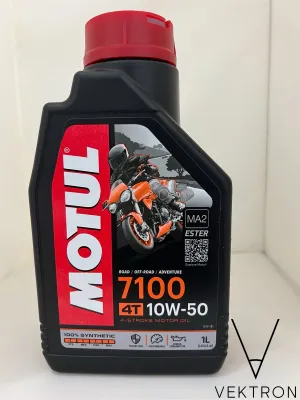
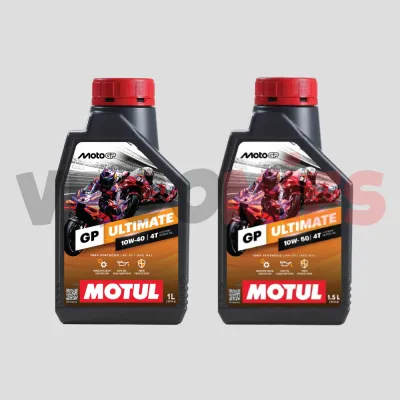
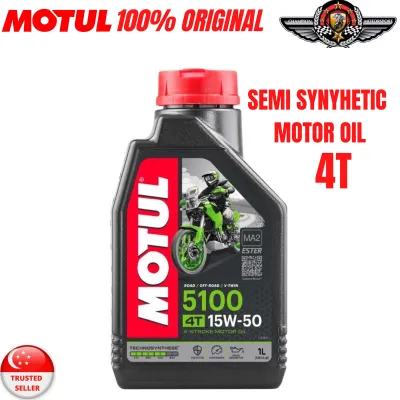
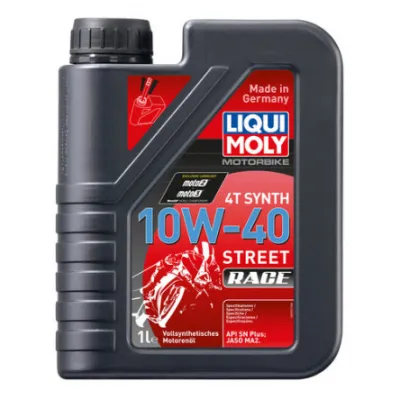
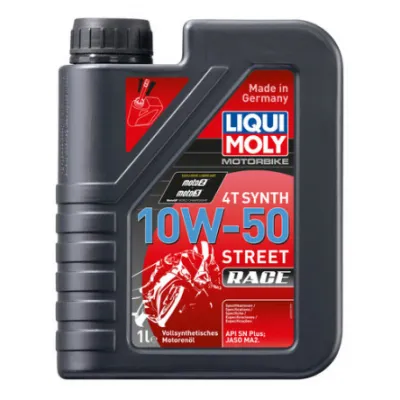
Prices are valid at publication and may change. Please refer to the product page for the latest price.
If you encounter a bottle where the physical label relies heavily on the “RT150” branding without clearly displaying these standardized metrics, do not guess the oil’s properties. Instead, consult the manufacturer’s official Technical Data Sheet (TDS) or visit their official website to verify the exact specifications. Alternatively, consult an authorized distributor in Singapore to confirm the oil’s precise formulation before pouring it into your crankcase.
Key Technical Specifications to Verify on the Label
To guarantee that a lubricant will adequately protect both your engine and your transmission, you must verify three primary technical standards on the bottle’s label: the SAE viscosity grade, the JASO friction certification, and the API service category.

SAE Viscosity Grade
The SAE grade uses a dual-number system to describe how the oil flows at different temperatures. The first number, followed by a “W” (which stands for Winter), indicates the oil’s viscosity during cold starts. A lower number means the oil remains more fluid at low temperatures, allowing it to circulate rapidly and protect internal components immediately upon ignition. The second number represents the oil’s kinematic viscosity at an engine’s operating temperature of 100°C. A higher second number indicates a thicker oil film that provides greater shear resistance and protection under heavy thermal loads.
JASO Friction Certification
For motorcycles, the Japanese Automotive Standards Organization (JASO) certification is the most critical specification to check. Unlike passenger cars, many motorcycles utilize a wet clutch system where the engine, transmission, and clutch share the same oil.
- JASO MA and MA2: These standards are formulated for wet clutches. They contain specific friction modifiers that prevent clutch slippage under high torque. JASO MA2 offers the highest friction performance and is standard for modern manual motorcycles.
- JASO MB: This standard is formulated with low-friction additives designed specifically for automatic CVT scooters. Using a JASO MB oil in a manual wet-clutch system will cause the clutch to slip, leading to accelerated wear and loss of drive.
API Service Category
The American Petroleum Institute (API) rating indicates the oil’s performance level regarding oxidation control, sludge prevention, and wear protection. Categories such as API SN or SP represent modern standards with advanced additive packages. While newer API standards are generally backward-compatible, always check your motorcycle’s owner’s manual to ensure the oil meets or exceeds the minimum API category specified by the manufacturer.
How to Match the Oil to Your Motorcycle's Requirements
Selecting the correct oil involves cross-referencing the specifications of the wmotor rt150 with your vehicle’s factory requirements and your specific riding conditions.
Consult the Owner’s Manual
Your motorcycle manufacturer’s manual is the ultimate authority on lubricant requirements. It outlines the exact SAE viscosity ranges and JASO/API standards required to keep the engine operating within safe parameters and to maintain any active warranty coverage. Never deviate from these recommendations without professional guidance.
Factor in Singapore’s Climate
Singapore’s tropical climate features consistently high ambient temperatures and high humidity year-round. Combined with stop-and-go urban traffic, motorcycles operate under high thermal stress. In these conditions, engine temperatures rise rapidly. If your owner’s manual permits a range of viscosities—such as 10W-30 and 10W-40—the hotter climate of Singapore often makes the higher viscosity (10W-40) a more suitable choice. The thicker hot-viscosity rating provides a more robust protective film to prevent metal-on-metal contact when the engine is running hot.
Consider Engine Mileage and Condition
The physical condition of your engine also plays a role in oil selection. High-mileage engines often have wider internal clearances due to gradual wear on piston rings and bearings. For these engines, utilizing an oil at the upper limit of the manufacturer’s recommended viscosity range can help maintain oil pressure, improve sealing, and reduce oil consumption. Conversely, newer engines with tight tolerances require thinner, highly fluid oils to ensure rapid circulation through narrow oil passages.
Safety Boundaries and Application Limits
Before purchasing or installing any engine oil, it is vital to establish clear safety boundaries to protect your motorcycle’s mechanical integrity.
First, always verify your specific vehicle model, year, and engine type against the oil manufacturer’s compatibility documentation. Never assume an oil is compatible based solely on a generic category or marketing label. If you ride a manual motorcycle with a wet clutch, verify that the oil is certified under JASO MA or MA2. Using a JASO MB oil in these systems can cause catastrophic clutch slippage, which may leave you stranded or cause an accident.
Second, always consult your motorcycle manufacturer’s instructions and the oil bottle’s label before performing an oil change. If the instructions on the product label conflict with your motorcycle’s owner’s manual, stop immediately and consult a qualified professional or an authorized service center.
Third, avoid mixing different brands, viscosity grades, or base oil types (such as synthetic and mineral oils) during top-ups. Mixing can destabilize the additive packages, reducing the oil’s overall protective capabilities. If you are transitioning your motorcycle to the wmotor rt150, perform a complete drain and refill, including replacing the oil filter, rather than simply topping up the existing fluid.
Finally, if the physical bottle of the oil does not clearly display the SAE grade, JASO certification, or API rating, do not use it. Unverified lubricants pose a severe risk of engine damage, voided warranties, and compromised road safety. In Singapore, premium motorcycle oils typically fall into broad price bands of S$15 to S$35 per litre, and purchasing from reputable, authorized retailers ensures you receive genuine products with verified specifications.
Community discussion
Share your experience or ask a question. Comments are reviewed before publication.