
Choosing between a windshield sunshade and side window sunshades depends on whether your primary goal is to lower the overall cabin temperature of a parked vehicle or to protect passengers from direct glare while on the move. Windshield covers block the largest glass surface area, making them highly effective for reducing interior heat buildup and protecting your dashboard from UV damage. Side window shades, conversely, target localized passenger comfort, block side glare, and offer privacy. For drivers in hot, sunny climates like Singapore, combining both types provides comprehensive defense, but if you must prioritize a single purchase, starting with a windshield cover offers the most significant baseline temperature relief.
Core Differences in Heat Blocking and Coverage
To make an informed decision, it is essential to understand how solar radiation interacts with your vehicle’s glass surfaces. The front windshield is typically the largest piece of glass on any vehicle. Because of its aerodynamic, forward-sloping angle, it acts as a direct skylight, allowing intense solar energy to penetrate deep into the cabin. This design causes rapid heat soak, where the dashboard, steering wheel, and front seats absorb thermal energy and radiate it back into the enclosed space.
In contrast, side windows are positioned vertically and have a smaller surface area per panel. While they do not let in as much concentrated solar energy at midday, they receive varying angles of sunlight throughout the day as the vehicle turns or as the sun moves lower in the sky. To achieve the same level of coverage as a single windshield shade, you typically need to purchase and install multiple side window panels, which increases the overall setup time.
Products mentioned in this guide
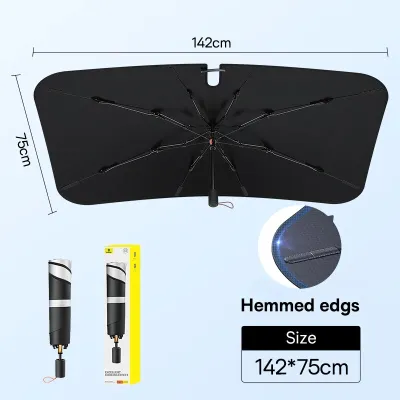
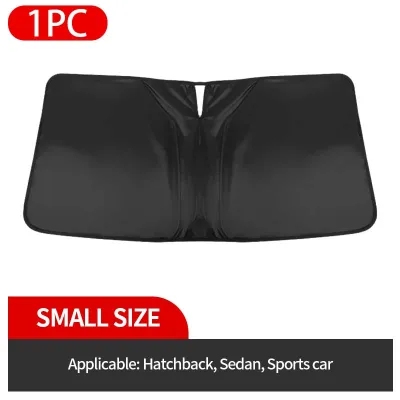
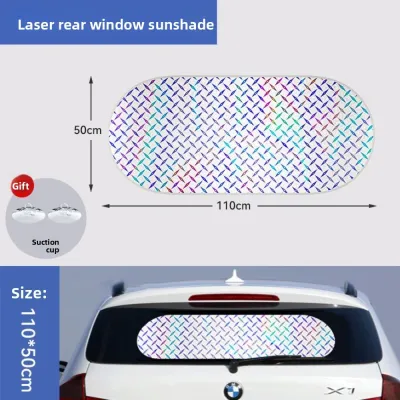
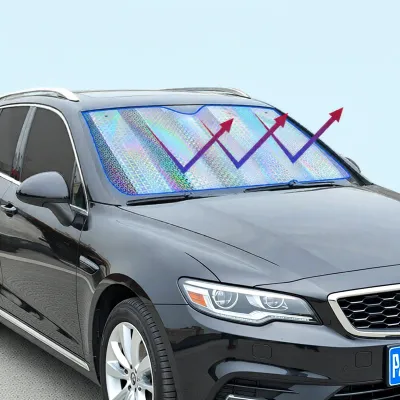
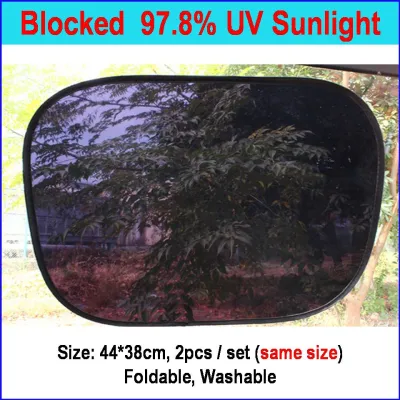
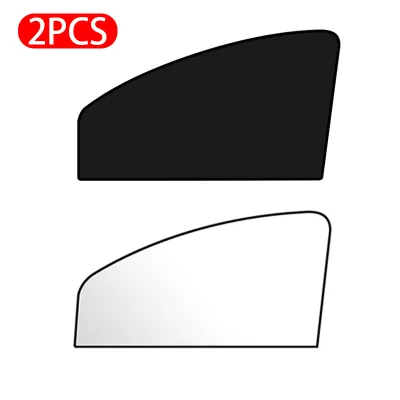
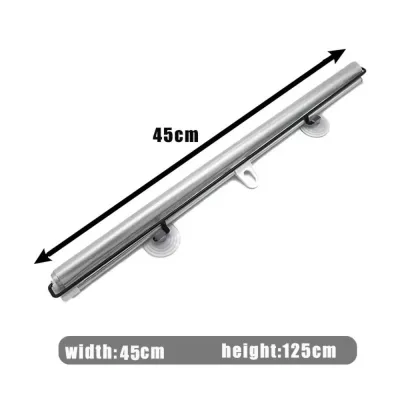
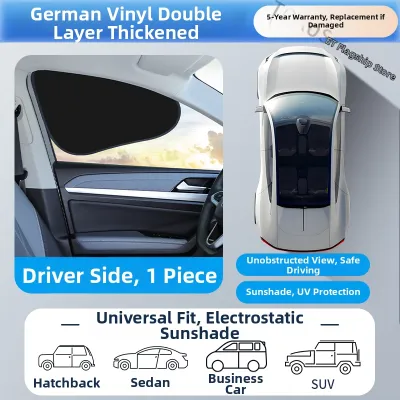
Prices are valid at publication and may change. Please refer to the product page for the latest price.
This structural difference directly impacts daily convenience. Deploying a single, large windshield panel when parking takes only a few seconds and immediately shields the main heat-absorption zone. Managing multiple smaller side window covers requires more physical effort, as you must align and secure each panel across several doors. However, side window shades can often remain installed while the vehicle is parked or, in the case of rear passenger windows, even while driving, whereas a windshield shade must always be removed before you start the engine.
Windshield Sunshades: Maximizing Cabin Temperature Control
If your main concern is stepping into a scorching vehicle after it has been parked in the sun, a windshield sunshade is highly effective. By placing a barrier directly behind the front glass, you prevent solar radiation from reaching the dark surfaces of your dashboard and steering wheel. These interior components are notorious for absorbing heat, often reaching temperatures high enough to cause physical discomfort or, over time, unsightly cracking and fading of plastic and leather materials.

When shopping for a windshield cover, you will encounter several common styles, each with distinct storage and deployment characteristics. Foldable accordion shades are highly popular due to their rigid structure, which allows them to stay firmly in place when propped up by the vehicle’s sun visors. Retractable roller shades offer a semi-permanent mounting solution, pulling across the glass quickly but remaining attached to the side of the windshield frame. Umbrella-style sunshades have also gained traction, opening like a traditional umbrella to prop against the glass and folding down into a compact sleeve for easy storage.
Regardless of the style you choose, the effectiveness of a windshield sunshade relies heavily on proper fitment and correct orientation. The reflective, metallic side of the shade must always face outward to bounce solar radiation away from the cabin, while the darker or insulated side faces inward. Because windshield dimensions vary significantly between compact cars, sedans, sports utility vehicles (SUVs), and vans, you should always consult the manufacturer’s specific fitment guides rather than relying on generic labels.
Side Window Sunshades: Passenger Comfort and Glare Reduction
While windshield shades excel at stationary temperature control, side window sunshades are indispensable for passenger comfort, especially when the vehicle is in motion. Rear passengers, particularly infants, young children, and pets, are highly sensitive to the harsh glare and heat of the afternoon sun streaming through side glass. Side window shades create a localized barrier that diffuses this direct light, making long journeys significantly more comfortable and reducing eye strain.
These shades also serve practical purposes beyond glare reduction. They add an extra layer of privacy, making it difficult for passersby to peer into the rear cabin when you park or when passengers are resting. For drivers who frequently carry valuable items on the back seats, this added visual barrier can act as a simple deterrent against opportunistic theft.
When evaluating side window shades, the attachment method is a key consideration. Static cling films adhere directly to the glass using static electricity, offering a clean look without hardware, though they can sometimes peel at the edges over time. Suction cup shades are highly portable and easy to reposition, but they can leave circular marks on the glass and may lose suction in extreme heat. Magnetic mesh frames are a practical alternative, snapping directly onto the metal door frame of compatible vehicles; this allows you to roll down the window for fresh air while keeping the shade securely in place. Before purchasing any side cover, always check local traffic regulations regarding window visibility and tinting limits to ensure your chosen shade complies with road safety standards.
How to Decide: Matching the Sunshade to Your Driving Routine
To determine which sunshade type most closely fits your lifestyle, consider your daily driving routine, parking habits, and passenger requirements. If your vehicle is frequently parked outdoors in unsheltered lots for extended periods, a windshield sunshade should be your priority. It provides the most substantial defense against dashboard degradation and keeps the steering wheel cool enough to touch immediately upon entry, making it the logical first purchase if your budget only allows for one high-quality cover.
Conversely, if you primarily park in shaded or underground car parks but spend hours driving during the hottest parts of the day, side window shades may offer greater immediate value. They directly address the discomfort of rear passengers and block the low-angle side glare that a front windshield shade cannot prevent while the vehicle is in motion. This makes them highly beneficial for family vehicles, ride-sharing drivers, and those who frequently travel with pets.
For drivers living in tropical climates like Singapore, where high humidity and intense sunlight are constant challenges, the most effective strategy is to use both types in tandem. Deploying a windshield shade while parked prevents the cabin from turning into an oven, while keeping side window shades installed on the rear doors ensures continuous comfort for your passengers once you hit the road. This combined approach offers comprehensive UV protection and keeps your air conditioning system from having to work overtime to cool down the interior.
Fitment, Storage, and Safety Checks Before You Buy
Before finalizing your purchase on any online marketplace or at a local automotive accessory retailer, you must verify physical compatibility. A sunshade that is too small will leave gaps, allowing concentrated beams of sunlight to heat up your interior and bypass the reflective barrier. Conversely, a shade that is too large will bunch up, making it difficult to secure and prone to falling down. Always measure the height and width of your glass surfaces or check the manufacturer’s vehicle-specific compatibility database to ensure a snug, edge-to-edge fit.
Storage is another practical factor that is easily overlooked. Consider where the sunshade will live when it is not in use. A bulky, non-folding shade can quickly become an annoyance if it takes up valuable passenger space or blocks access to the glovebox. Look for options that fold down compactly enough to slide into door pockets, seatback sleeves, or under the front seats, ensuring they remain within arm’s reach without cluttering your cabin.
Finally, safety must remain your top priority. You must completely remove all front windshield sunshades and any front-row side window shades before driving. Operating a vehicle with these covers in place severely obstructs your field of vision, creates dangerous blind spots, and violates traffic safety laws. Only legally approved window tints or built-in, retractable rear-window shades that do not impair the driver’s view should ever be used while the vehicle is in motion.
Frequently Asked Questions (FAQ)
Do I need a custom-fit or universal car sunshade window cover?
Custom-fit shades are designed specifically for your vehicle’s make and model, offering precise edge-to-edge coverage that eliminates gaps where sunlight can penetrate. While they are generally more expensive, they stay in place more securely and provide highly effective heat rejection. Universal shades are highly affordable and widely available, but they often require overlapping or leave uncovered areas. If you choose a universal option, always measure your windows carefully and compare them against the product’s exact dimensions before buying.
Can I use a windshield sunshade while driving?
No, you must never use a windshield sunshade while driving. All interior windshield covers and front-row side window shades must be completely removed and stored securely before you start the engine. Using these covers while driving blocks your view of the road, creating extreme safety hazards and violating traffic regulations. For glare reduction while driving, rely on your vehicle’s built-in sun visors or legally compliant window tinting applied by a certified professional.
Community discussion
Share your experience or ask a question. Comments are reviewed before publication.