
Selecting the right car shade depends heavily on when and how you need protection from the sun. If your primary goal is to lower the interior temperature of a parked vehicle and prevent your dashboard from cracking, a windshield sun shade is your best option. Conversely, if you want to protect passengers from glare, maintain privacy, and block UV rays while the vehicle is in motion, side window shades are the appropriate choice.
For drivers living in tropical climates like Singapore, where vehicles are frequently exposed to intense, year-round solar radiation, the decision is rarely about choosing one over the other. Instead, understanding how these two types of shades perform under different conditions allows you to deploy them strategically. Managing cabin heat when parked requires a different approach than ensuring passenger comfort and safety while navigating daily traffic.
Heat Reduction and UV Protection: Where Do They Differ?
The windshield is the largest glass surface on any vehicle, and its raked angle makes it a primary source of solar heat gain. When a car is parked facing the sun, shortwave solar radiation passes through the glass and is absorbed by the dark surfaces of the dashboard and steering wheel. This energy is then re-radiated as longwave infrared heat, which becomes trapped inside the cabin. Reflective windshield shades are designed specifically to intercept this process by bouncing radiant energy back out through the glass before it can heat the interior.
Products mentioned in this guide
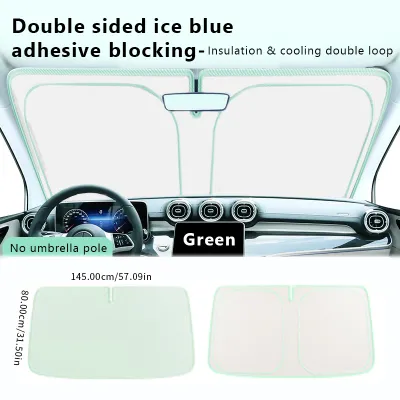
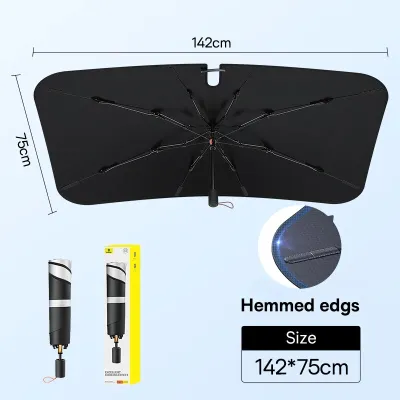
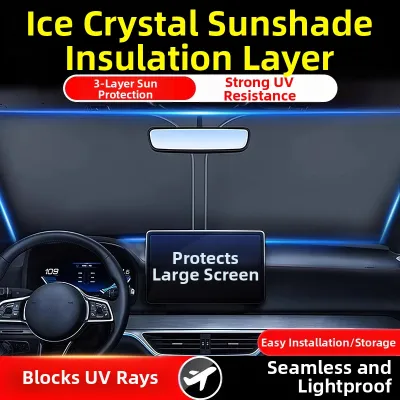
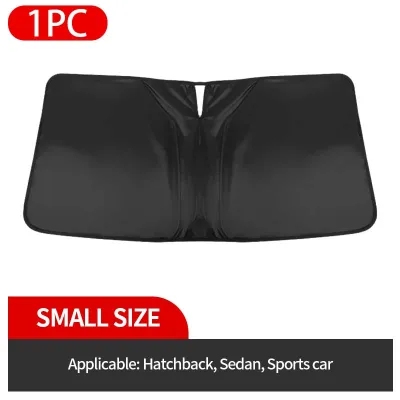
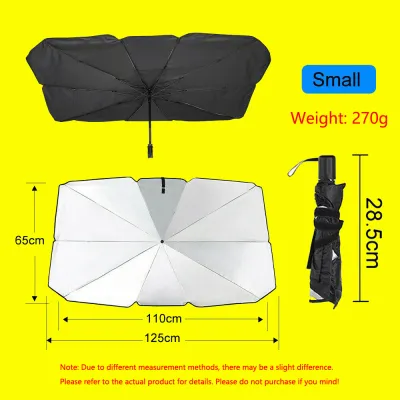
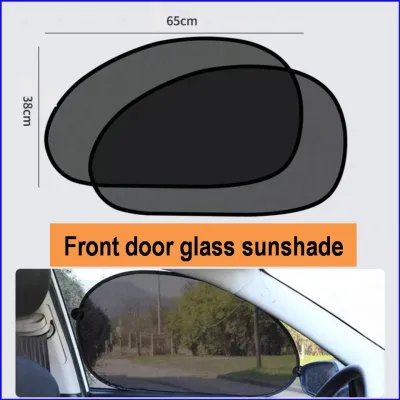
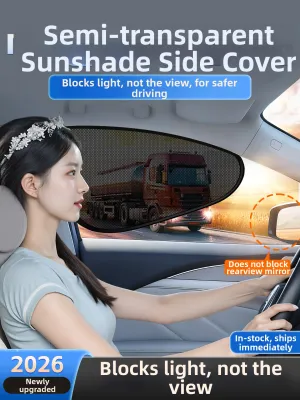
Prices are valid at publication and may change. Please refer to the product page for the latest price.
Most high-quality windshield shades utilize reflective materials such as double-sided aluminum foil, metallized polyester, or multi-layer bubble barriers. These materials act as a mirror to solar radiation, significantly reducing the surface temperature of your front cabin components. When evaluating these products, look for verifiable specifications such as a high reflectivity rating and robust thermal insulation layers. Thicker, multi-layered accordion or roll-up models generally offer superior thermal resistance compared to thin, single-sheet alternatives.
Side window shades, by contrast, address a different angle of solar exposure. Because side windows are more vertical, they receive direct sunlight primarily during early mornings, late afternoons, or when the vehicle turns relative to the sun. Side shades are typically constructed from flexible polyester or nylon mesh. Rather than reflecting all light, these mesh materials diffuse direct sunlight, absorbing a portion of the UV radiation while still allowing passengers to see outside.
To ensure adequate protection from side shades, look for products with a certified Ultraviolet Protection Factor (UPF) rating, such as UPF 50+, which blocks approximately 98% of harmful UV radiation. While mesh side shades do not offer the same level of absolute heat rejection as a reflective front windshield shade, they are highly effective at preventing localized hot spots and protecting passengers’ skin and eyes from direct exposure. Combining a reflective front shade for parking with high-UPF side shades creates a comprehensive thermal barrier that minimizes heat buildup across the entire cabin.
Installation and Daily Convenience
The practicality of any car shade is determined by how easily it can be deployed, removed, and stored during your daily routine. Windshield shades require manual installation every time you park. Accordion-style and roll-up reflective shades are highly durable and quick to unfold, but their rigid structure means they occupy significant space when not in use, often requiring storage in the trunk or along the passenger footwell.

An alternative windshield design is the umbrella-style collapsible shade, which uses a tensioned frame that opens like a standard personal umbrella. While these fold down into a compact size that fits easily into a door pocket or glove compartment, they require careful handling. The metal rib tips of umbrella shades can accidentally scratch dashboard leather or put undue stress on your rearview mirror and dashcam mounts if not positioned gently.
Side window shades offer a wider variety of attachment mechanisms, each with distinct convenience trade-offs:
- Static Cling Shades: These utilize a specialized vinyl backing that adheres directly to the glass without adhesives. They are incredibly low-profile and allow you to roll the window down slightly, but they can peel off in high humidity or when the window is fully lowered.
- Suction Cup Shades: A highly economical and universal option, these attach directly to the glass. However, suction cups tend to lose their grip and fall off when exposed to extreme heat over extended periods, and they leave circular residue marks on the glass that require regular cleaning.
- Custom-Fit Magnetic Shades: These are engineered to match the exact dimensions of specific vehicle models. They feature embedded magnets along a flexible frame that snaps securely onto the metal door frame of your car. This design allows you to roll the window completely down for ventilation while keeping the shade firmly in place.
While universal-fit shades are budget-friendly and widely available, they often leave gaps around the edges of the window frame, allowing thin beams of intense sunlight to penetrate the cabin. Custom-fit options, though more expensive—typically ranging from S$50 to S$120 for a set—provide complete edge-to-edge coverage and a much cleaner, integrated appearance.
Driving Visibility, Safety, and Legal Rules in Singapore
Safety must always take precedence over heat reduction when a vehicle is in motion. The most critical safety rule regarding windshield sun shades is absolute: they must be completely removed, folded, and safely stored before you start the engine. Driving with a front windshield shade in place is extremely dangerous and illegal, as it entirely obstructs your forward field of vision.
For side window shades, the safety considerations are more nuanced and are governed by strict local regulations. In Singapore, the Land Transport Authority (LTA) enforces precise guidelines regarding Visible Light Transmission (VLT) for vehicle glass to ensure drivers maintain clear situational awareness. The front windshield and front side windows must have a VLT of at least 70%, while the rear side windows and rear windshield must have a VLT of at least 25%.
While temporary, removable mesh shades are not permanent modifications like window tinting films, using highly opaque or solid shades on your front side windows while driving is a serious safety hazard. These shades can severely block your view of the side mirrors and critical blind spots, especially during night driving, heavy rain, or when navigating tight multi-storey car parks.
If you choose to use side window shades while driving, ensure they are made of a highly translucent mesh that does not compromise your visibility. Opaque, blackout, or thick fabric shades should only be installed on the rear side windows, and even then, they must not obstruct the driver’s rearward vision. Always verify that any aftermarket accessory complies with local safety standards, and consult certified automotive professionals if you are unsure about the legality of your window setups.
Privacy and Interior Protection
Beyond managing cabin temperatures, car shades serve as a vital line of defense against the long-term degradation of your vehicle’s interior materials. The combination of high heat and intense UV radiation accelerates the breakdown of polymers, polyurethane, and leather. Over time, this leads to faded upholstery, cracked dashboard surfaces, and the notorious “sticky dashboard” syndrome common in vehicles frequently parked unsheltered.
By placing a reflective windshield shade behind the glass, you shield the steering wheel, instrument cluster, and front seats from direct solar bombardment. This protection is especially crucial for modern vehicles equipped with large, sensitive infotainment touchscreens and dashboard-mounted cameras, both of which can malfunction or suffer permanent screen damage when subjected to extreme localized heat.
Side window shades play an equally important role in protecting the rear cabin. Rear seats are often occupied by children, infants in car seats, or pets who are highly sensitive to solar glare and heat. Direct sunlight can cause child car seat materials to degrade structurally over time, while metal buckles can become hot enough to cause skin burns. Installing side shades diffuses this harsh light, keeping the rear passenger area significantly more comfortable.
Additionally, side window shades provide a valuable layer of security and privacy. Mesh side shades obscure the view into your cabin from the outside, making it difficult for passersby to see items left on the back seats. This subtle visual barrier deters opportunistic theft without completely isolating the occupants from the outside world. For maximum privacy when parked, solid fabric or retractable shades can be used, though these must be retracted before driving to restore full visibility.
Final Verdict: How to Choose the Right Car Shade
To make a confident purchase, evaluate your daily driving habits, parking situations, and passenger requirements against this structured decision framework.
Choose Windshield Shades if:
- You park in open-air lots: If your car sits unsheltered during the day at work or home, a reflective windshield shade is essential to protect your dashboard and lower initial cabin heat.
- You want to protect cabin electronics: Keeping direct sun off your infotainment screen, digital instrument cluster, and dashcam will prolong their lifespan.
- You prioritize quick cabin cooling: Reflecting heat before it enters the car allows your air conditioning system to cool the cabin much faster once you start driving.
Choose Side Window Shades if:
- You frequently carry passengers: If you regularly transport children, elderly family members, or pets, side shades prevent glare and localized hot spots during transit.
- You want driving-safe UV protection: High-UPF mesh shades block harmful ultraviolet rays while allowing you to maintain safe visibility on the road.
- You require rear cabin privacy: Obscuring the view into the back seats helps protect personal belongings and provides a more private environment for rear passengers.
Consider Both if:
- You want complete thermal management: For drivers in tropical regions, combining a high-quality reflective windshield shade for parking with LTA-compliant, removable mesh side shades offers the ultimate balance of heat rejection, safety, and passenger comfort.
Before purchasing, always measure your vehicle’s windows carefully or search for model-specific custom-fit options to ensure seamless coverage. A practical and highly effective setup for Singapore’s climate is to combine a premium reflective windshield shade for use when parked, with high-quality, LTA-compliant solar films on all glass surfaces, supplemented by removable magnetic mesh side shades for rear passengers.
Frequently Asked Questions (FAQ)
Can I use a windshield sun shade while driving?
No, you must never use a windshield sun shade while the vehicle is in motion. Windshield shades are made of opaque, highly reflective materials that completely block your forward vision. Using one while driving is extremely dangerous, violates traffic safety laws, and will result in immediate prosecution. They are strictly designed for use when the vehicle is stationary and parked.
Are magnetic side window shades better than suction cup ones?
Yes, custom-fit magnetic side window shades are generally superior to suction cup models. Magnetic shades snap directly onto the metal frame of your car door, providing edge-to-edge coverage without gaps, and they allow you to roll the window down while remaining in place. Suction cup shades are cheaper and universal, but they often leave residue on the glass, can lose suction in high heat, and do not allow window operation.
Do removable car shades replace window tinting?
No, removable car shades and window tinting films are complementary rather than interchangeable. Window tinting is a permanent film applied directly to the glass that provides continuous heat and UV rejection without obstructing your view. Removable shades offer a physical barrier that can be added or removed as needed, providing extra shade and glare reduction for passengers, but they must comply with driving visibility regulations.
Community discussion
Share your experience or ask a question. Comments are reviewed before publication.