
Hello Kitty car accessories are a staple for many drivers in Singapore, adding a touch of personal style and nostalgia to the daily commute. Among these, themed car air fresheners are particularly popular, promising to keep your cabin smelling sweet while showcasing the iconic character. However, Singapore’s unique tropical climate—characterized by relentless year-round heat, intense solar radiation, and high relative humidity—poses a significant challenge to these decorative items.
Whether your Hello Kitty air freshener can withstand these harsh conditions depends heavily on its design, material composition, and where you place it inside your vehicle. Without proper care, a cute dashboard ornament can quickly turn into a warped, faded, or even leaky hazard. Understanding how our local weather interacts with different air freshener formats is the first step to ensuring your car stays fresh without sacrificing your favorite aesthetic.
How Singapore's Tropical Climate Affects Car Air Fresheners
To understand why car air fresheners struggle in Singapore, one must look at the extreme microclimate that develops inside a parked vehicle. When a car is left under the direct sun in an open-air carpark, it acts like a greenhouse. Solar radiation passes through the glass windows, heating up the dark surfaces of the dashboard, seats, and steering wheel. Because the heat cannot easily escape, cabin temperatures can rapidly climb to over 60 degrees Celsius, even when the outside temperature is a seemingly moderate 32 degrees Celsius.
Products mentioned in this guide
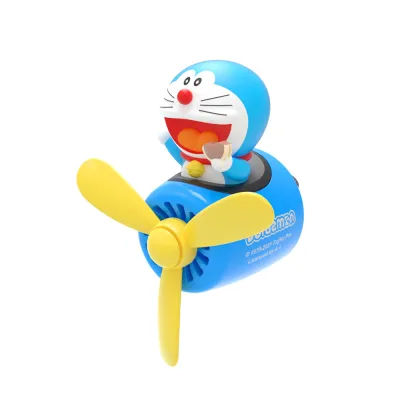
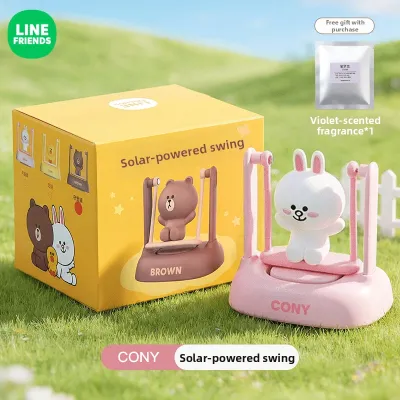
Prices are valid at publication and may change. Please refer to the product page for the latest price.
This intense heat has a profound effect on the volatile organic compounds that make up the air freshener’s fragrance. High temperatures increase the kinetic energy of these molecules, causing them to evaporate at an accelerated rate. Consequently, an air freshener designed to last for up to six weeks in a temperate climate might lose its scent entirely within a week or two in Singapore.
Humidity is another critical factor. Singapore’s average relative humidity often hovers around 80% or higher. This moisture-rich air can compromise the structural integrity of certain materials. Cardboard, felt, and porous gels can absorb ambient moisture, leading to structural softening, warping, or even the growth of mold and mildew if the vehicle is left unused for extended periods.
Finally, ultraviolet radiation from the sun is highly destructive to plastics and pigments. The vibrant pinks, reds, and whites that define Hello Kitty’s classic look are susceptible to UV degradation. Over time, solar exposure breaks down the chemical bonds in the dyes and the plastic housing, leading to severe color fading, surface chalking, and brittleness.
Evaluating Common Hello Kitty Car Air Freshener Formats
Hello Kitty air fresheners come in a wide variety of formats, each reacting differently to Singapore’s climate. Liquid and gel-based fresheners are highly common, often housed in cute, character-shaped glass or plastic containers. While they offer a strong initial scent throw, they carry the highest risk in extreme heat. High cabin temperatures can cause the liquid or gel to expand, building up pressure inside the container. If the container has a weak seal or a minor defect, this pressure can lead to leaks or even minor ruptures, spilling concentrated fragrance oils onto your dashboard.

Vent clips and molded solid plastic fresheners are another popular choice. These typically clip onto the air conditioning vents, releasing scent as air flows through. While they are generally safer than liquids, the quality of the plastic matters immensely. Low-grade plastics exposed to hot air from the vents or direct sunlight through the windshield can warp, lose their grip, or even melt slightly, leaving a sticky residue on your vent blades.
Hanging cardboard or felt pads are the most budget-friendly option, often featuring printed graphics of Hello Kitty. However, they are the least resilient to Singapore’s humidity. The porous fibers easily absorb moisture from the air, which can cause the cardboard to curl, warp, and lose its aesthetic appeal. Furthermore, because the fragrance oil is simply sprayed onto the surface, the intense heat causes it to evaporate almost immediately, leaving you with a scentless piece of cardboard within days.
Ceramic or plaster diffusers represent a more premium and durable alternative. These solid, porous ornaments do not melt, warp, or degrade in high heat. You apply fragrance oils directly to the ceramic surface, which absorbs the liquid and releases it slowly. While structurally stable, users must exercise caution when applying the oils; any excess, unabsorbed oil can drip onto plastic interior surfaces and cause chemical damage.
Identifying Heat and Humidity Damage in Your Car
Regularly inspecting your car accessories is essential to prevent damage to your vehicle’s interior. A failing air freshener can do more than just lose its scent; it can cause costly cosmetic damage to your dashboard and vents.
Begin with a visual check of your Hello Kitty freshener. Look closely at the character’s features. Is the iconic red bow starting to look pale or orange? Is the white plastic housing turning yellow or showing fine cracks? These are clear signs of UV damage and material degradation. Additionally, check the mounting mechanism. If you use an adhesive pad to secure a dashboard ornament, inspect the adhesive. If it has turned into a sticky, gooey liquid, it is failing due to heat and needs to be replaced before it permanently stains your dashboard.
Next, use your sense of smell. When fragrance oils are subjected to extreme heat over prolonged periods, their chemical structures can break down. This often results in a scent that smells sour, rancid, or excessively chemical and overpowering. If the pleasant aroma has turned into an unpleasant chemical odor, the freshener has reached the end of its useful life.
Finally, perform a physical inspection for leaks. Gently touch the base of the freshener and the surrounding area. If you detect any oily residue on your vents, dashboard, or center console, remove the freshener immediately. Concentrated fragrance oils are powerful solvents that can easily dissolve plastic coatings, strip paint, or crack dashboard materials.
Strategic Placement and Maintenance for Hot Climates
To extend the lifespan of your Hello Kitty air freshener and protect your car’s interior, strategic placement is key. The most common mistake is placing the freshener in direct sunlight, such as on top of the dashboard, hanging from the rearview mirror, or on the rear parcel shelf. These zones experience the highest temperatures and direct UV exposure.
Instead, look for shaded areas within the cabin. If you are using a vent clip, try placing it on a lower vent that is partially shaded by the steering wheel or center console. For hanging or solid fresheners, consider placing them in the seat-back pockets, under the seats, or inside the door pockets. These locations keep the freshener out of direct sunlight, significantly reducing the rate of scent evaporation and protecting the materials from UV damage.
Active cabin maintenance also plays a vital role. Whenever you park your car in an open area, always use a high-quality, reflective front windshield sunshade. This simple step can lower the interior dashboard temperature by several degrees, protecting both your air freshener and your car’s electronics.
Additionally, practicing good ventilation habits can help. When returning to a hot car, roll down all the windows for a minute or turn on the ventilation fan without the air conditioning to flush out the trapped hot air. This rapid cooling prevents the air freshener from being subjected to prolonged thermal stress.
What to Look for When Buying a Tropical-Ready Air Freshener
When shopping for a Hello Kitty car air freshener on online marketplaces or at local automotive accessory shops, it pays to be selective. Do not choose based on appearance alone; instead, evaluate the product’s specifications and materials to ensure it can handle Singapore’s climate.
First, check the manufacturer’s packaging for any temperature ratings or material safety warnings. High-quality automotive accessories often specify an operating temperature range. If a product warns against exposure to temperatures above 40 degrees Celsius, it is likely not suited for a car parked in the Singapore sun.
Second, prioritize solid or membrane-based formats over open liquids and traditional gels. Solid polymer fresheners, ceramic diffusers, and sealed membrane cartridges are designed to release scent slowly without the risk of boiling, expanding, or leaking. These formats offer a much safer and more consistent performance in high-heat environments.
Lastly, examine the mounting hardware. If the freshener relies on a clip or an adhesive pad, ensure the materials feel robust. Look for clips wrapped in soft silicone to protect your vent blades, and opt for high-temperature acrylic foam tapes if you must stick the ornament to your dashboard. Cheaper rubber-based adhesives will quickly liquefy in the heat, leading to a messy cleanup.
Frequently Asked Questions (FAQ)
Is it safe to leave a gel air freshener in a parked car under the sun?
Leaving a gel air freshener in a car parked under direct sunlight carries notable risks. The extreme heat inside the cabin can cause the gel to liquefy completely, increasing the likelihood of spills if the container is tilted or disturbed. Furthermore, the rapid expansion of the air and moisture inside the container can cause the lid to pop off or the container to crack. For parked vehicles exposed to daily sun, solid polymer or ceramic alternatives are significantly safer options as they do not contain free liquids that can expand or leak.
Why does the fragrance fade faster in hot weather?
Fragrance evaporation is a temperature-dependent process. High temperatures increase the kinetic energy of the volatile compounds in the air freshener, causing them to transition from a liquid or solid state into a gas much faster than they would in cooler conditions. To manage this in hot weather, you can adjust your car’s air conditioning vents to direct airflow away from the freshener when not needed, or choose slow-release membrane formats that physically restrict the rate at which the fragrance molecules can escape into the cabin.

Community discussion
Share your experience or ask a question. Comments are reviewed before publication.