
Aqua-scented car air fresheners can survive and perform in Singapore’s intense heat and humidity, but their longevity, scent profile, and physical integrity depend heavily on the format you choose and where you place them. The combination of high ambient humidity and cabin temperatures that can easily exceed 60°C when parked in the open sun accelerates chemical evaporation and tests the structural limits of common fragrance delivery systems. While the crisp, clean, and marine notes of an aqua air freshener are highly desirable for masking musty cabin odors caused by damp air conditioning systems, the physical reality of tropical heat means a standard air freshener might last only a fraction of its advertised lifespan. Understanding how these environmental factors interact with different fragrance formats is key to making a smart purchase.
For many drivers in Singapore, stepping into a fresh-smelling car is an essential part of the daily commute. The humid tropical climate often traps moisture inside the vehicle, leading to a damp, stale smell over time. Aqua-scented fresheners, with their light, watery, and ozonic profiles, offer an appealing solution to restore a clean atmosphere. However, because these scents rely on highly volatile aromatic compounds, they are particularly sensitive to thermal degradation. To get the most value out of your purchase, you must look beyond the scent itself and evaluate how the physical product is engineered to handle extreme thermal stress.
How Tropical Heat and Humidity Affect Car Fragrances
The interior of a car parked under the tropical sun acts like a greenhouse, trapping solar radiation and rapidly raising the ambient temperature. This extreme heat has a direct, measurable impact on the molecular behavior of car fragrances. High temperatures increase the kinetic energy of the fragrance molecules, forcing them to transition from liquid or gel states into gas at an accelerated rate. Consequently, an air freshener rated to last up to 60 days in temperate climates may dry up or lose its potency in less than three weeks when subjected to daily parking in unsheltered HDB carparks or open-air commercial lots.
Products mentioned in this guide
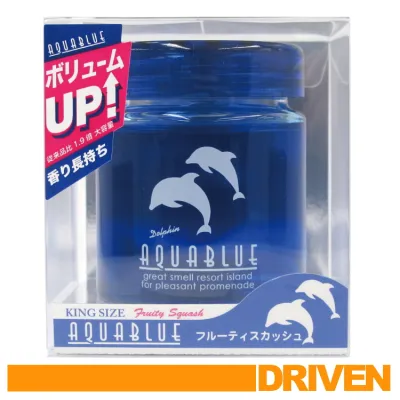
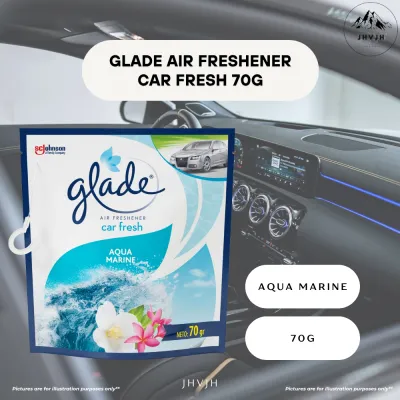
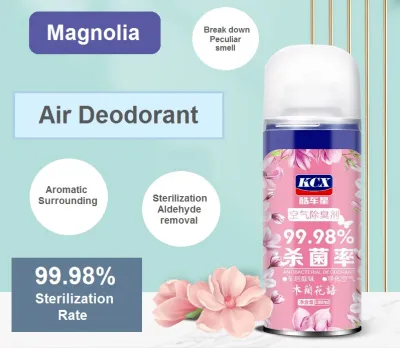
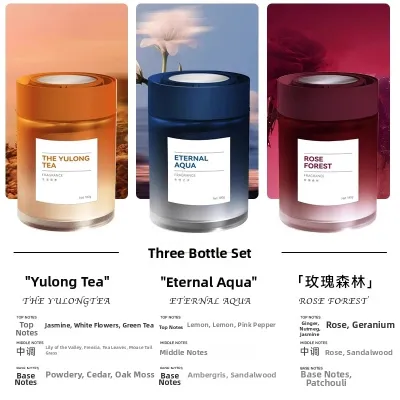

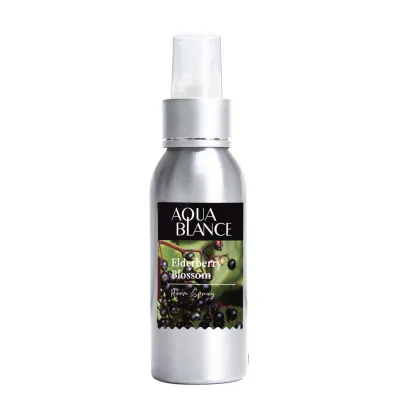
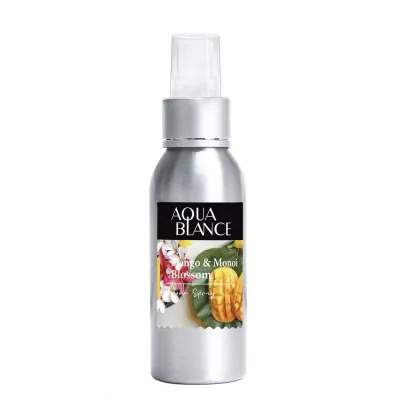
Prices are valid at publication and may change. Please refer to the product page for the latest price.
Beyond rapid depletion, intense heat also alters the actual scent profile of your aqua air freshener. Perfumes and fragrance oils are carefully structured with top, middle, and base notes, each having different evaporation thresholds. Aqua scents typically rely on light, volatile top notes—such as citrus, marine accords, or light floral elements—to deliver that immediate sensation of breezy freshness. Under high thermal stress, these volatile top notes evaporate almost instantly. This leaves behind the heavier, denser base notes, such as musk, amber, or woody compounds. As a result, the crisp, refreshing aqua scent you bought can quickly transform into a heavy, cloying, or completely different aroma within just a few weeks.
Physical degradation of the freshener’s housing and medium is another significant risk in Singapore’s climate. Gel-based fresheners can melt into a runny, low-viscosity liquid, while liquid-filled glass or plastic diffusers face increased internal pressure as the liquid expands and vaporizes. This pressure can force liquid through seals, leading to leaks. Furthermore, plastic casings, especially those made from low-grade polymers, can warp, crack, or degrade under direct UV exposure and high cabin heat, potentially dropping the fragrance medium onto sensitive interior surfaces.
Evaluating Aqua Air Freshener Formats for Hot Climates
When shopping for an aqua air freshener, selecting the right physical format is crucial for ensuring it survives the tropical climate. Gel and liquid formats are highly popular due to their strong initial scent throw, but they carry a high risk of failure in hot conditions. When a gel liquefies under extreme heat, it can easily spill through the ventilation holes of its container. Liquid diffusers with wooden wicks or reeds offer a continuous scent but are prone to spilling if the bottle tips over during sudden stops or sharp turns. If these highly concentrated fragrance oils or melted gels contact your dashboard, they can cause permanent bubbling, peeling, or discoloration of plastic, vinyl, and leather trims, potentially costing you hundreds of dollars in interior repairs.

Solid, ceramic, and wood formats offer a much more stable alternative for hot climates. Solid polymer blocks, scented ceramic discs, and infused natural wood blocks do not contain free liquids or low-melting-point gels, meaning they cannot leak or spill regardless of how hot the cabin gets. Their release rate is governed by the slow diffusion of fragrance oils bound within the solid matrix, making them highly resistant to rapid thermal evaporation. While their initial scent throw might be more subtle compared to liquid diffusers, their longevity and safety profile make them highly suitable for vehicles parked regularly in unsheltered areas.
Vent clips and sprays represent another category of fragrance delivery. Vent clips rely on the car’s air conditioning airflow to distribute the scent. When the AC is running, the cool air helps regulate the evaporation rate, making vent clips highly efficient while driving. However, when the car is parked and the AC is off, the ambient heat inside the cabin still accelerates the loss of the fragrance. Aerosol or pump sprays offer maximum control, as you only apply the scent when needed, minimizing the issue of passive evaporation while the car is parked. However, pressurized aerosol cans must never be stored in a hot car due to the risk of expansion and rupture; pump sprays are a safer alternative.
Key Specifications and Label Checks Before Buying
To help your aqua air freshener withstand Singapore’s demanding climate, you must look for specific product labels and manufacturer specifications before making a purchase. First, check the packaging or the manufacturer’s official product documentation for a specified operating temperature range. High-quality automotive fragrances are often rated to withstand temperatures up to 70°C or 80°C. If a product lacks any temperature rating or is labeled only for indoor home use, it is highly likely to fail or degrade rapidly inside a hot vehicle.
Next, identify the materials used in the freshener’s housing. Look for labels indicating the use of UV-resistant and heat-stable materials, such as high-density polyethylene (HDPE), polypropylene (PP), or aluminum. These materials resist warping, cracking, and melting under thermal stress, supporting the structural integrity of the container over months of exposure. Glass containers are also highly stable, though they must be securely mounted to prevent breakage during transit.
Finally, prioritize products that explicitly state “spill-proof,” “leak-resistant,” or feature membrane-based delivery systems. Membrane designs allow fragrance molecules to pass through as vapor while keeping the liquid securely contained, even if the unit is turned upside down or subjected to extreme heat. Checking for these design indicators on the packaging can save you from spending S$100 or more on professional interior detailing to clean up a melted or leaked freshener.
Best Practices for Using and Maintaining Fresheners in Hot Cars
Applying practical placement and maintenance strategies can significantly help extend your air freshener’s lifespan and protect your car’s interior. The most critical step is avoiding direct sunlight and extreme heat pockets. The top of the dashboard, directly under the windshield, is the hottest zone in any parked car. Instead of mounting your freshener there, place it in lower, shaded areas such as under the front seats, inside the door pockets, or clipped to a lower air vent. This keeps the product cooler and reduces the rate of thermal evaporation.
Routine visual inspections are also essential. Make it a habit to check your air freshener at least once a week, especially after parking in unsheltered areas. Look for any signs of casing deformation, sticky residue around the seals, or liquefaction of gel media. Catching a failing container early allows you to remove it before it leaks onto your dashboard or upholstery.
If a liquid or gel air freshener does spill or melt onto your car’s interior surfaces, immediate action is required to prevent permanent damage. Fragrance oils can act as solvents on plastics and leather. Blot the spill immediately with a clean, dry microfiber cloth—do not rub, as this can spread the chemical and push it deeper into the material. Clean the area using a mild, pH-neutral interior cleaner or a specialized automotive upholstery cleaner, strictly following the manufacturer’s instructions. Avoid using harsh household detergents or rubbing alcohol, which can strip the protective coatings of your car’s trim.
Frequently Asked Questions (FAQ)
Can I leave a liquid aqua air freshener in a parked car under the sun?
Leaving a liquid air freshener in a car parked under direct sunlight carries significant risks. The intense heat causes the liquid to expand and vaporize, building up pressure inside the container. This pressure can cause the liquid to leak through seals or even crack the housing, leading to spills that can damage your dashboard or upholstery. If you must park in the sun, try to use a windshield sunshade to lower the cabin temperature, or choose solid-state fresheners that do not pose a leakage risk. Always refer to the manufacturer’s storage guidelines regarding maximum temperature exposure.
Why does my aqua scent smell different after a few weeks in a hot car?
This shift in scent is due to the different evaporation rates of the fragrance ingredients under high heat. Aqua fragrances rely on light, volatile top notes to create their characteristic fresh, marine scent. In a hot car cabin, these top notes evaporate very quickly, leaving behind the heavier, less volatile middle and base notes of the fragrance oil. As a result, the scent profile changes, often becoming sweeter, muskier, or heavier than the crisp aqua scent you initially purchased.

Community discussion
Share your experience or ask a question. Comments are reviewed before publication.