
Grasse-style car fragrances can hold up in Singapore’s tropical climate, but their longevity, safety, and scent profile depend heavily on the formulation type, carrier medium, and where they are placed inside the vehicle. The intense heat of a parked car under the tropical sun can accelerate evaporation, turning a premium, layered scent into an overwhelming burst that depletes far too quickly. By understanding how these French-inspired formulations interact with high ambient temperatures and humidity, you can make an informed purchase that delivers a consistent, pleasant driving experience.
Singapore’s typical daily temperatures often exceed 30°C, and cabin temperatures in vehicles parked outdoors can easily climb much higher within an hour. This thermal stress directly affects how fragrance molecules volatilize. To get the most out of a premium car perfume, you must look beyond the marketing terms and evaluate the physical and chemical characteristics of the product.
Understanding "Grasse-Style" Formulations for Tropical Climates
When a product is labeled as “Grasse-style” or “Grasse-inspired,” it generally refers to a complex, multi-layered scent profile reminiscent of traditional French perfumery, featuring distinct top, middle, and base notes. However, this label does not guarantee a specific physical standard or heat resistance. To predict how a fragrance will behave in a hot vehicle cabin, you must look at the actual formulation type, specifically the ratio of fragrance oils to volatile carriers.
Products mentioned in this guide
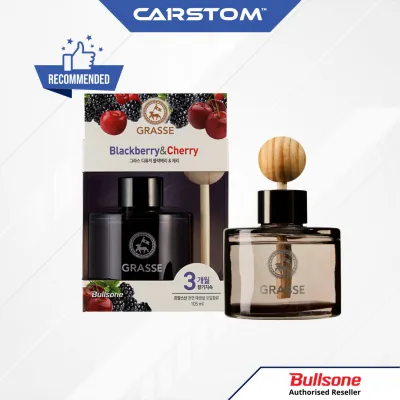
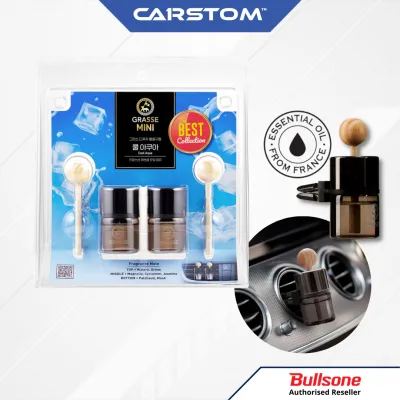
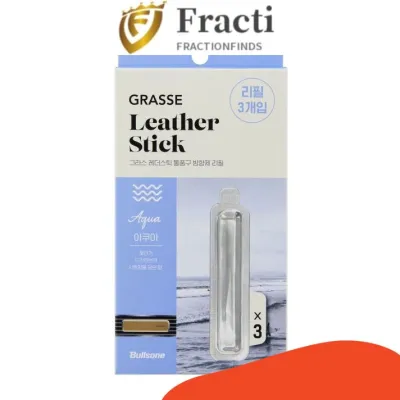
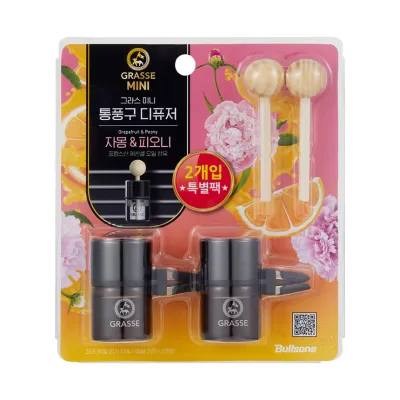
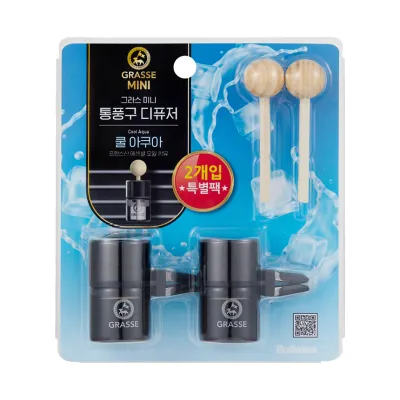
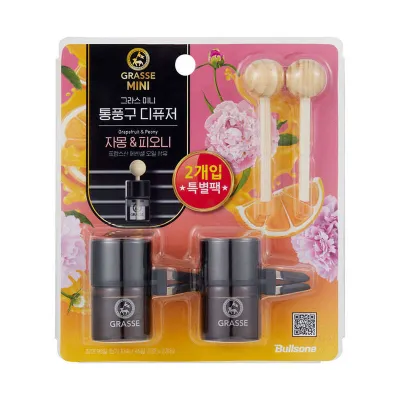
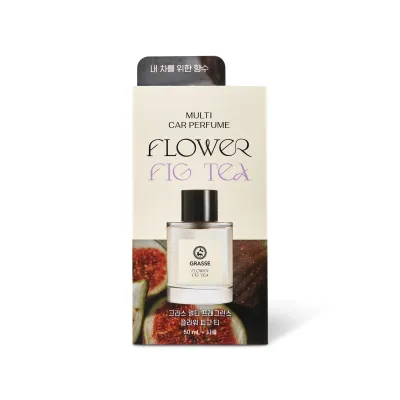
Prices are valid at publication and may change. Please refer to the product page for the latest price.
Many mass-market car air fresheners rely on a high concentration of alcohol or volatile organic solvents to disperse the scent quickly. In a cool climate, this provides a steady release, but in Singapore’s intense heat, alcohol-heavy formulations evaporate at an accelerated rate. This results in an overpowering scent during the first few days, followed by rapid depletion.
In contrast, formulations with a higher concentration of pure essential oils or synthetic fragrance oils blended with low-volatility carriers offer a more controlled release. These oil-based formulations do not flash off as quickly when the cabin heats up. When shopping, check the product packaging or manufacturer specifications for concentration indicators. Look for products that explicitly state they use low-alcohol or alcohol-free oil bases, as these are inherently more stable when exposed to high thermal fluctuations.
Additionally, high relative humidity, which regularly exceeds 80% in Singapore, affects how we perceive scents. Humid air traps volatile organic compounds, making heavy, sweet, or musky base notes feel dense and cloying. For tropical climates, lighter olfactory profiles—such as citrus, light florals, or clean woody notes—often feel fresher and more balanced, even when the cabin temperature rises before the air conditioning cools the space.
Choosing the Right Fragrance Carrier for Hot Cars
The physical medium that holds and releases the fragrance is just as important as the liquid formulation itself. Different carriers react uniquely to solar radiation, airflow, and temperature shifts inside a parked vehicle.

Vent clips are a popular choice because they rely on active airflow from the air conditioning system to disperse the scent. When the AC is running, the cool air helps regulate the evaporation rate of the liquid or polymer inside the clip. However, because Singapore drivers use the air conditioning constantly, vent clips are subjected to continuous, high-velocity airflow whenever the vehicle is in motion, which can shorten their overall lifespan. If you choose a vent clip, look for models with adjustable mechanical vents that allow you to restrict the exposure of the fragrance element.
Hanging diffusers, which often feature a small glass bottle with a porous wooden cap, present distinct challenges in hot climates. The wood absorbs the liquid fragrance oil to diffuse it into the cabin. Under intense heat, the liquid inside the bottle expands, and the wood can become oversaturated. This increases the risk of the concentrated oil dripping onto the dashboard or center console during sharp turns or sudden stops, which can cause permanent cosmetic damage to interior surfaces.
Solid balms and dashboard gels offer the highest physical stability under direct sunlight. Because they do not rely on a free-flowing liquid, they eliminate the risk of spills and leaks. These carriers release scent molecules through gradual sublimation or slow evaporation from a solid matrix. However, you must verify the manufacturer’s specified operating temperature limits on the packaging. Some low-quality gels can liquefy or shrink rapidly when exposed to extreme dashboard temperatures, so choosing a high-temperature-resistant formulation is essential.
Membrane-type diffusers represent another modern option. These use a semi-permeable membrane to seal the liquid fragrance, allowing only the vaporized scent molecules to pass through. This design prevents spills even if the unit is knocked over and helps regulate the release rate regardless of external humidity levels.
Practical Strategies to Extend Scent Longevity in the Heat
To maximize the lifespan of a premium Grasse-style fragrance in Singapore, you must actively manage the microclimate inside your vehicle. Simple adjustments to placement and cabin habits can significantly reduce premature evaporation.
First, avoid placing any fragrance carrier in direct sunlight. The top of the dashboard and the area directly beneath the windshield experience the highest levels of solar radiation and heat buildup. Instead, position your air freshener in shaded, lower zones of the cabin. Placing a solid gel or membrane diffuser in a door pocket, under a seat, or within a lower console compartment shields it from direct sun rays, keeping the carrier cooler and extending its usable life.
Second, establish a routine to flush out hot air before activating your air conditioning’s recirculation mode. When you enter a car that has been parked in the sun, roll down all the windows and drive for a minute to allow ambient air to displace the trapped heat. Once the cabin temperature drops closer to the outside temperature, roll up the windows and turn on the AC. This practice prevents the fragrance carrier from being subjected to prolonged, extreme thermal stress, which triggers rapid, wasteful scent release.
Finally, manage your spare inventory wisely. Never store backup car perfumes, refills, or unopened air fresheners inside the vehicle, such as in the glovebox or the trunk. The sustained heat in these enclosed spaces will degrade the fragrance oils and weaken the packaging seals before you even open them. Store all spare products in a cool, dark pantry or cupboard at home until they are ready for installation.
Safety and Interior Protection Boundaries
Using premium fragrances requires strict adherence to safety boundaries to protect both your vehicle’s interior materials and your health. Concentrated fragrance oils and chemical solvents can react aggressively with automotive plastics, synthetic leather, and natural hides.
Never allow liquid fragrances to come into direct contact with any interior surface. If a spill occurs, even a tiny droplet, wipe it up immediately using a clean, damp microfiber cloth and a mild, pH-neutral interior cleaner. Leaving alcohol-heavy or oil-based liquids on plastic trim can lead to warping, bubbling, discoloration, or permanent peeling of the soft-touch coatings commonly used on modern dashboards.
Pressurized aerosol cans present a severe safety hazard in tropical climates. Never store aerosol-based cabin fresheners or quick-odor-masking sprays in a parked car. Under direct sunlight, internal cabin temperatures can exceed the safe storage limits printed on pressurized cans, posing a risk of rupture or explosion. Always verify the maximum storage temperature on the product label and keep these items out of the vehicle.
If you notice any unusual chemical odors, sticky residue accumulating on your air vents, or localized discoloration on nearby trim, stop using the fragrance immediately. Consult your vehicle’s owner’s manual for approved cleaning methods for interior surfaces, or contact the fragrance manufacturer to verify chemical compatibility with your specific cabin materials. Prioritizing material safety ensures your car’s interior remains pristine while enjoying your chosen scent.
Frequently Asked Questions (FAQ)
Can I leave my Grasse-style car perfume in the glovebox?
No, you should avoid storing spare or active Grasse-style car perfumes in the glovebox. While the glovebox is shielded from direct sunlight, it is an enclosed, uninsulated space that traps heat when your vehicle is parked outdoors in Singapore. The temperatures inside the glovebox can easily exceed the safe storage limits specified by fragrance manufacturers, leading to premature degradation of the scent oils, potential leakage, or weakened packaging seals. Always store your spare refills in a cool, climate-controlled environment at home.
Do solid car fragrances smell weaker than liquid ones in the heat?
Solid car fragrances, such as balms and gels, may perceive as slightly weaker initially because they do not produce the rapid, intense burst of scent that liquid formulations release when heated. However, this is actually an advantage in a tropical climate. While liquid fragrances volatilize quickly and deplete rapidly under high temperatures, solid carriers provide a much more consistent, controlled, and localized scent profile over a longer period, making them highly efficient for sustained use in hot conditions.

Community discussion
Share your experience or ask a question. Comments are reviewed before publication.