
Installing floating wheel caps is a popular way to add a dynamic visual effect to your vehicle, but it is natural to wonder if these accessories will interfere with critical safety systems like the Tire Pressure Monitoring System (TPMS). Generally, because floating caps mount at the center of the hub and most TPMS sensors are located at the valve stem or inside the wheel barrel, they do not physically overlap. However, specific cap designs, improper installation, or indirect sensor calculations can occasionally cause issues. This guide will help you verify compatibility, identify warning signs, and take the right actions to ensure your tire monitoring system remains fully functional.
Understanding TPMS Types and Wheel Cap Placement
To understand how floating wheel caps interact with your vehicle’s safety systems, it helps to look at where these components are located. Your vehicle monitors tire pressure using one of two systems: direct or indirect TPMS. Each system operates differently, and their physical components occupy distinct areas of the wheel assembly.
Direct TPMS relies on physical sensors installed inside each tire. These sensors are typically integrated into the base of the valve stem or secured to the inner barrel of the wheel with a metal band. They measure the actual air pressure and temperature inside the tire cavity and transmit this data wirelessly to the vehicle’s central computer. Because the center hub of the wheel is physically separated from the outer rim and valve stem by several inches of metal spokes, a standard floating wheel cap does not come into contact with these internal sensors.
Products mentioned in this guide
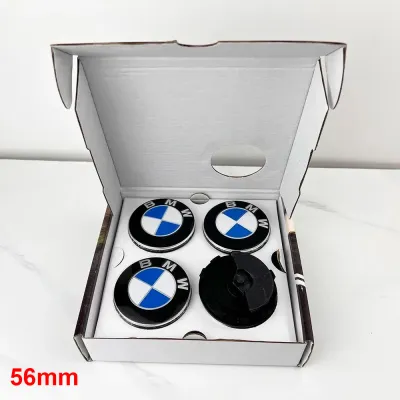
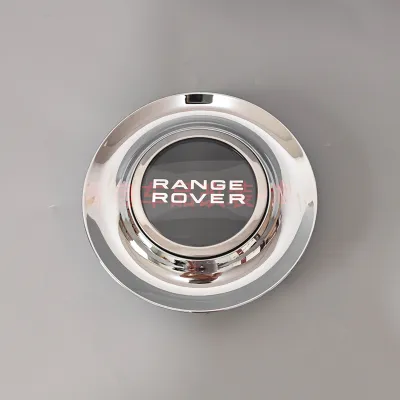




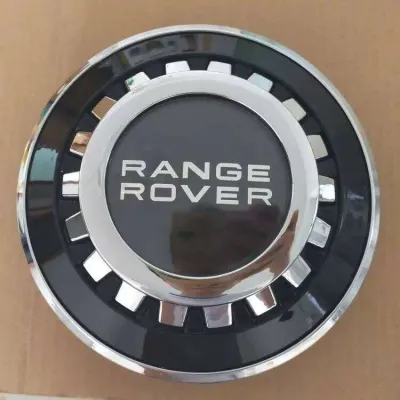
Prices are valid at publication and may change. Please refer to the product page for the latest price.
Indirect TPMS, on the other hand, does not use dedicated pressure sensors inside the wheels. Instead, it utilizes the wheel speed sensors of the Anti-lock Braking System (ABS) to monitor the rotational speed of each tire. An under-inflated tire has a slightly smaller overall diameter, causing it to spin at a different speed compared to properly inflated tires. Because indirect TPMS relies entirely on wheel rotation data rather than radio signals from the wheel center, the presence of a floating wheel cap has no direct electronic impact on this system.
Floating wheel caps are designed to replace the static center caps that cover the wheel hub bore. They feature an internal leveling mechanism, usually consisting of a small counterweight and precision bearings, which allows the center emblem to remain upright and stationary while the rest of the wheel rotates. This entire mechanism is self-contained within the center bore of the hub. Under normal conditions, this central mounting position ensures that the floating cap remains isolated from both direct TPMS sensors and the outer tire tread monitored by indirect systems.
Compatibility Checks Before Buying or Installing
Before purchasing a set of floating wheel caps, a few simple checks can prevent compatibility issues and ensure a straightforward installation. Taking the time to verify your vehicle’s specifications will help you avoid physical interference or electronic disruption.

First, consult your vehicle owner’s manual or contact the manufacturer to check for any specific warnings regarding aftermarket hub accessories. Some vehicles feature unique axle designs, protruding spindle nuts, or grease caps that limit the available depth inside the center bore. Knowing these dimensions beforehand will help you choose a floating cap with the correct backing plate depth and spindle length.
Next, inspect the design and construction of the floating wheel caps you are considering. Pay close attention to the mounting clips and the overall depth of the cap. The backing plate must fit securely into the hub bore without contacting the axle shaft or any surrounding suspension components. If you are looking at self-illuminating floating caps, which use internal magnets to generate power for LED lights, verify that the manufacturer has shielded the components to prevent any potential electromagnetic interference with nearby wireless sensors.
You should also evaluate the installation process required for the caps. High-quality floating wheel caps are designed as direct, snap-in replacements for your factory center caps. The installation should not require excessive force, specialized tools, or modifications to the wheel itself. If an accessory requires you to alter the wheel structure or apply pressure near the valve stem, it is best to avoid it, as this increases the risk of damaging your TPMS hardware.
Warning Signs of Sensor Interference or Damage
Once you have installed your new floating wheel caps, it is important to monitor your vehicle’s behavior during the first few drives. Recognizing the early warning signs of TPMS interference or physical damage allows you to address issues before they affect your driving safety.
The most obvious sign of a problem is the appearance of the TPMS warning light on your dashboard. If the light illuminates and stays on, it typically indicates that one or more tires have low pressure. However, if the TPMS light flashes for approximately one minute when you start the car and then remains solid, this indicates a system fault. A flashing light often means the vehicle’s computer has lost communication with a sensor, which could point to signal interference or physical damage.
If your vehicle displays real-time tire pressure readings on the instrument cluster or infotainment screen, check these values regularly after installation. Note whether the pressures update as the tires warm up during a drive. If the display shows blank values, dashes, or frozen numbers for a specific wheel, the signal from that sensor may be blocked or the sensor itself may have been compromised during the installation process.
You should also pay close attention to the physical feedback from your steering wheel and chassis. If you feel unusual vibrations, especially at highway speeds, the floating caps may have introduced a wheel imbalance. While a minor imbalance might not immediately trigger a TPMS warning, persistent vibrations can affect the accuracy of indirect TPMS calculations and cause uneven tire wear over time.
Action Plan: What to Do If Issues Arise
If you encounter a TPMS warning light, sensor error, or unusual vibration after installing your floating wheel caps, taking systematic steps will help you isolate and resolve the issue safely.
Begin by finding a safe location to park your vehicle and removing the floating wheel caps. Reinstall your original factory center caps and drive the vehicle for a short distance to allow the TPMS to recalibrate. If the warning light turns off and the system functions normally, the issue is directly related to the floating caps, either due to electronic interference, physical fitment, or wheel imbalance.
With the floating caps removed, perform a detailed visual inspection of each wheel. Examine the valve stems carefully to ensure they are straight, secure, and free of cracks. If your vehicle uses direct TPMS, check that the sensor body inside the wheel has not been disturbed. Look inside the center bore of the hub for any signs of scraping, debris, or damage to the axle components that might have occurred during installation.
If the TPMS warning light remains illuminated after you have reinstalled the original center caps, or if you detect any physical damage to the valve stems or sensors, do not attempt to drive long distances or perform further DIY troubleshooting. Drive to a certified tire shop or an authorized service center as soon as possible. Professional technicians can use diagnostic scanners to read the individual sensor codes, check battery levels, and replace any damaged components to restore your safety systems to full operation.
Frequently Asked Questions (FAQ)
Do floating wheel caps affect wheel balancing?
Floating wheel caps are generally lightweight, but because they contain moving parts like bearings and counterweights, they can influence the overall balance of your wheel assembly. Standard wheel balancing is performed with the center cap removed or with a static cap in place. If a floating cap is heavier than the original cap or is not perfectly centered, it can introduce a minor dynamic imbalance. This imbalance usually manifests as a slight vibration in the steering wheel at higher speeds. If you experience this, a professional tire shop can balance your wheels with the floating caps installed to ensure a smooth ride.
Can I use floating wheel caps on aftermarket wheels?
Yes, you can use floating wheel caps on aftermarket wheels, but you must verify the fitment specifications carefully. Aftermarket wheels often have different center bore diameters compared to factory wheels, meaning you may need specific adapter rings or custom-sized caps to achieve a secure fit. Additionally, aftermarket wheels may position the TPMS sensors or valve stems differently. Before installing the caps, ensure there is adequate clearance behind the hub bore and consult both the wheel and cap manufacturers to confirm compatibility.
Community discussion
Share your experience or ask a question. Comments are reviewed before publication.