
Yes, putting a cover on your On-Board Unit (OBU) can block or severely weaken the Electronic Road Pricing (ERP) signal. While many aftermarket covers are marketed as “signal-safe” or “RF-transparent,” any physical barrier placed over the transmitter or receiver window introduces a risk of signal attenuation. This attenuation can lead to missed deductions at ERP gantries, resulting in administrative fees and unnecessary hassle for motorists. Understanding how these devices communicate is essential for keeping your daily commute smooth and compliant.
The OBU operates using dedicated short-range communication (DSRC) technology to interact with overhead ERP gantries. As your vehicle approaches a gantry, high-frequency radio signals are exchanged in a fraction of a second to log your vehicle’s presence and process the toll deduction. This rapid, high-precision exchange requires a clear, unobstructed line of sight between the OBU’s antenna or sensor window and the gantry’s transceivers. Even minor physical obstructions can scatter or absorb these radio waves, disrupting the critical timing required for a successful transaction.
The physical design of the OBU is carefully engineered to facilitate this communication. The unit features specific sensor zones, card slots, and display screens that must remain completely exposed to function correctly. These openings are not merely aesthetic choices; they are functional pathways designed to allow radio waves to travel freely. When you wrap the unit in an aftermarket cover, you risk covering these sensitive zones, even if the cover appears to have cutouts or is made of seemingly thin materials.
Products mentioned in this guide
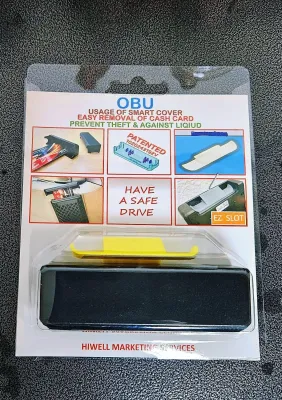
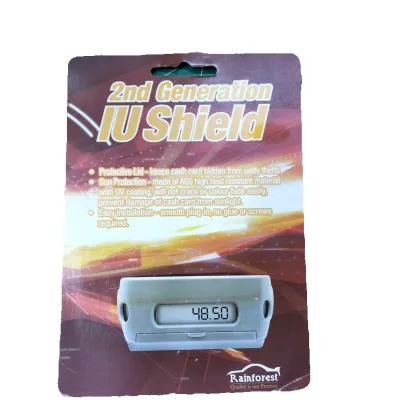
128 Lazada user ratings
🔌Compatibility:fit the obu nicely. easy to remove and not tight 🔧Durability:solid plastic material 🛠️Ease of Installation:plug and play
item received in good condition and well package. quality looks good.
🔌Compatibility: 10/10 🔧Durability: 10/10 🛠️Ease of Installation: 10/10
It is a very simple working product. Looks ok ok ok ok ok ok ok ok.
Prices are valid at publication and may change. Please refer to the product page for the latest price.
Furthermore, the transition to newer OBU models in Singapore has introduced different physical configurations, such as multi-piece units for cars and single-piece units for motorcycles. The mounting positions of these units—whether on the windscreen, the dashboard, or the handlebar area—are calculated to maximize signal reception. Adding an unapproved accessory to these precisely positioned units alters their physical profile and can interfere with the signal path, especially when passing under gantries at highway speeds.
Material and Design Risks of OBU Covers
When shopping on an online marketplace or ecommerce platform, you will find a wide variety of OBU covers made from different materials. Silicone, hard plastics, acrylics, and even leather are commonly used to match vehicle interiors. However, these materials have vastly different electromagnetic properties. While clear acrylic might seem completely transparent to the human eye, it can still refract or diminish radio frequency (RF) signals if the material is too thick or contains specific chemical stabilizers.
The most significant risk comes from covers featuring metallic paints, carbon fiber finishes, or chrome trims. These materials are highly conductive and act as electromagnetic shields, effectively creating a partial Faraday cage around your OBU. Even a small metallic accent on a decorative cover can reflect radio waves away from the gantry’s receivers, almost guaranteeing a failed deduction. Motorists should avoid any accessory that incorporates metal, carbon fiber, or reflective foils.
Thickness and fit are also critical factors to consider. A poorly fitting cover can slide or shift due to vehicle vibrations, sudden braking, or sharp turns. Even if the cover was designed with a cutout for the sensor window, a slight shift during transit can cause the material to slide over the sensor, blocking the signal at the exact moment you pass under a gantry. Additionally, thicker materials increase the distance the radio waves must travel through a solid medium, compounding the risk of signal loss.
Another major concern is heat dissipation. The dashboard of a vehicle parked under the tropical sun experiences extreme temperatures, often exceeding 60 degrees Celsius. The OBU is designed to dissipate heat naturally through its casing vents. Wrapping the unit in a tight silicone sleeve or a solid plastic shell traps heat inside, which can cause the internal electronics to overheat. This can lead to temporary system glitches, screen degradation, or permanent component failure, which may not be covered by the device warranty.
Finally, DIY covers or those requiring strong adhesives present their own set of problems. Using tape, glue, or unapproved adhesive pads to secure a cover can leave a sticky residue on the OBU’s sensor window or casing. Over time, this residue attracts dust, dirt, and grime, creating a permanent, semi-opaque barrier to RF signals. Even if you eventually remove the cover, the leftover residue can continue to cause deduction failures until the unit is thoroughly and safely cleaned according to the manufacturer’s instructions.
Practical Steps to Test Your OBU Cover for Interference
If you decide to use an aftermarket cover, it is vital to perform regular checks to ensure it does not interfere with your OBU’s functionality. The most immediate feedback loop is the audio and visual cues provided by the unit itself. When passing under an active ERP gantry, listen closely for the standard confirmation beep. You should also check the visual display or card reader interface to confirm that the transaction was successful and that the correct balance was deducted.

Regularly inspect the physical alignment of the cover to ensure it remains in its proper position. The card slot must be completely accessible, allowing you to insert and remove your payment card smoothly without any resistance. Check that the sensor window—usually a dark, glossy panel on the unit—is entirely free from obstruction. If your vehicle is equipped with advanced driver assistance systems (ADAS), such as windscreen-mounted cameras or collision-avoidance sensors, verify that the OBU cover does not block or interfere with these safety systems.
Before purchasing or installing any cover, consult the official vehicle manual and the documentation provided by the transport authority or the OBU manufacturer. These resources provide specific guidelines on approved accessories, mounting locations, and maintenance procedures. If the manufacturer explicitly warns against using third-party covers or modifications, it is highly recommended to follow that advice to maintain system reliability and preserve your warranty coverage.
If you notice any erratic behavior, such as delayed beeps, intermittent card reading errors, or unusual error codes on the display, you should stop using the cover immediately. Do not attempt to modify the cover further or use additional adhesives to keep it in place. Remove the accessory and monitor the OBU’s performance over the next few trips. If the issues persist even after removing the cover, visit an authorized service center to have the unit professionally inspected and tested for hardware faults.
What to Do if an ERP Deduction Fails
Recognizing a failed ERP deduction early can save you from unnecessary fines and administrative complications. A failed transaction is typically signaled by the absence of the standard confirmation beep when passing under a gantry. Alternatively, the OBU may emit a rapid series of warning tones, display an error message on the screen, or flash a warning light. If you experience any of these signs, it is important to address the issue promptly.
Before assuming the cover is the sole cause of the failure, rule out other common variables. Check that your payment card is fully inserted into the card reader in the correct orientation. Verify that the card has a sufficient monetary balance to cover the toll and that the card has not expired. In some cases, a loose power connection or a weak vehicle battery can cause the OBU to power down temporarily, leading to missed transactions.
If you have verified that your card is active, has a sufficient balance, and is properly inserted, the aftermarket cover is the most likely culprit behind the signal failure. You should remove the cover immediately to prevent subsequent deduction failures on your journey. Operating a vehicle with an accessory known to block ERP signals can lead to repeated non-deductions, which transport authorities may view as a failure to maintain a functioning payment device.
When a deduction fails, do not panic, and do not attempt to stop or reverse your vehicle on the road, as this poses a severe safety hazard to other motorists. Continue your journey safely. You will typically receive an official notification regarding the missed payment within a few days. Follow the official transport authority procedures to settle the outstanding ERP charge promptly through authorized payment channels, such as online portals, mobile applications, or designated self-service kiosks, to avoid additional administrative penalties.
Frequently Asked Questions (FAQ)
Can I use a sunshade or dashboard cover along with my OBU cover?
Using multiple dashboard accessories simultaneously can create a cumulative blocking effect on your OBU’s signal. Large dashboard mats, thick fabric covers, or highly reflective foil sunshades can physically obstruct the line of sight between the OBU and the overhead gantry. Reflective materials are particularly problematic, as they can bounce the radio signals away from the gantry’s receivers. To ensure reliable signal transmission, it is best to maintain a completely clear zone around the OBU and avoid placing large or reflective items near the unit.
Does the color of the OBU cover affect signal reception?
The visual color of a plastic cover does not directly determine its radio frequency transparency, but the chemical pigments used in the manufacturing process can have an impact. For example, dark-colored plastics often contain carbon black, and metallic-look finishes contain fine metal particles, both of which can absorb or reflect RF signals. While transparent or light-colored, non-metallic plastics are generally less restrictive, any added layer still introduces some level of signal attenuation. Motorists should rely on observable deduction success and manufacturer specifications rather than visual assumptions about a cover’s color.
Will an OBU cover void my vehicle or device warranty?
Installing unapproved third-party accessories can potentially void your vehicle or OBU warranty. If an aftermarket cover traps heat and causes the OBU to overheat, or if the use of adhesives damages the unit’s casing or screen, the manufacturer or transport authority may refuse to repair or replace the device under warranty. Always review the official warranty terms and conditions for both your vehicle and the OBU before fitting any decorative or protective accessories to ensure compliance.
Community discussion
Share your experience or ask a question. Comments are reviewed before publication.