
The sudden, startling sound of a dash cam clattering onto the dashboard mid-drive is a frustratingly common experience for drivers in Singapore. Under the intense tropical sun, a parked car acts like a greenhouse, trapping heat and causing cabin temperatures to soar far beyond the ambient outdoor temperature. When a dash cam detaches, it does more than just startle you; it risks damaging the camera lens, scratching your interior trim, and leaving you without crucial video evidence when you need it most.
Understanding why this happens and how to secure the mount ensures your safety device remains functional and properly positioned. This guide walks you through diagnosing suction failure, applying reliable fixes, and selecting a heat-resistant replacement if your current mount has reached the end of its lifespan.
Why Your Suction Cup Loses Grip in Hot Weather
A car suction mount relies on a simple physical principle: the pressure differential. When you press the flexible cup against the windshield and engage the locking lever, you force out the air inside, creating a low-pressure vacuum chamber. The higher atmospheric pressure of the cabin pushes against the outside of the cup, holding it firmly against the glass.
Products mentioned in this guide
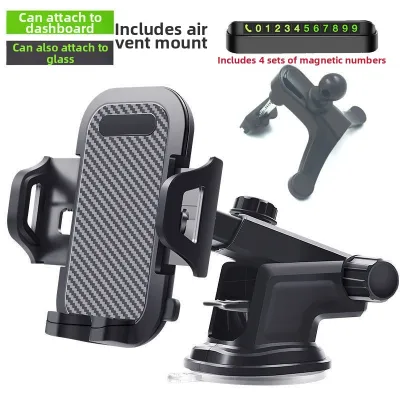
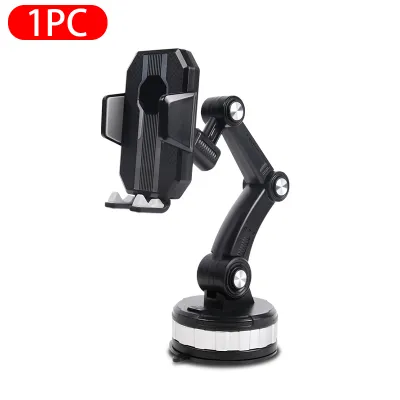
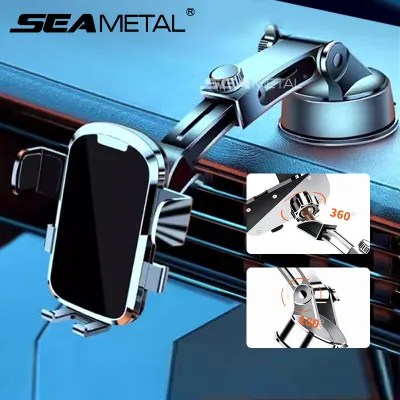
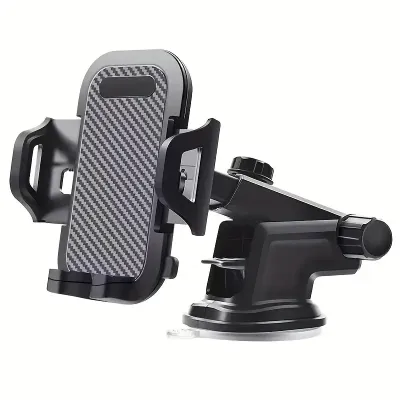
![[allmobiles] 360 Rotatable Car Windscreen Suction Cup Mount Mobile Phone Holder Bracket Stand](https://img.lazcdn.com/g/p/b653bdcdc833cf2a61136a65cc1b5dce.jpg_400x400q80.jpg_.webp)


Prices are valid at publication and may change. Please refer to the product page for the latest price.
In Singapore’s tropical climate, extreme heat directly disrupts this delicate balance. When your car is parked in direct sunlight, the air trapped in any microscopic pockets under the suction cup expands rapidly. This thermal expansion increases the internal pressure of the vacuum chamber, neutralizing the pressure differential and causing the mount to slide or fall off.
Continuous exposure to ultraviolet (UV) radiation and high temperatures also degrades the physical properties of the suction cup. Most standard mounts are made of flexible plastics, PVC, or basic silicone. Over time, heat and UV rays break down the chemical bonds within these polymers, causing the material to lose its elasticity, become stiff, or develop a permanently warped shape that can no longer conform to the glass.
Microscopic contaminants on the windshield further compromise the vacuum seal. Over time, a thin, invisible layer of dust, pollen, and oily residues from cabin plastics—often accelerated by dashboard off-gassing in hot weather—accumulates on the glass. These tiny particles create microscopic pathways that allow air to slowly seep back into the vacuum chamber, eventually breaking the seal.
Finally, improper initial installation can set the mount up for failure. If the windshield was warm during installation, or if the mechanical locking lever was not fully engaged, the initial vacuum pressure might have been too weak to withstand subsequent temperature fluctuations. Mounting the cup over defroster lines or uneven glass surfaces also guarantees a rapid loss of suction.
Step-by-Step Fixes to Reattach Your Dash Cam Mount
To restore a reliable seal, you must thoroughly clean both the windshield and the suction cup to remove any microscopic barriers. Start by removing the mount entirely from the glass. Clean the target area on the windshield using a high-quality glass cleaner or isopropyl alcohol on a clean microfiber cloth. Always check your vehicle’s manual or aftermarket window tint manufacturer instructions first, as strong alcohol can damage or discolor certain window films.

Next, wash the suction cup itself with warm water and a drop of mild dish soap to remove accumulated oils and dust. Avoid using harsh chemical cleaners, solvents, or abrasive sponges, which can degrade the soft polymer material. Let both the windshield and the suction cup air-dry completely; using paper towels or tissues can leave behind tiny lint fibers that will compromise the vacuum seal.
While a dry seal is generally best for long-term stability, a microscopic amount of moisture can help bridge tiny imperfections between the rubber and the glass. Lightly dab a damp, lint-free cloth or a clean finger onto the rim of the suction cup before pressing it onto the glass. Strictly avoid using oils, petroleum jelly, lotions, or household lubricants, as these substances will degrade the rubber material over time and leave a stubborn, greasy residue on your windshield.
When choosing where to reattach the mount, look for a completely flat, smooth section of the windshield. Avoid placing the suction cup over the black dotted frit border near the rearview mirror, as this textured surface prevents an airtight seal. Ensure the windshield glass is cool to the touch before mounting; if the car has been parked in the sun, run the air conditioning for a few minutes to lower the glass temperature before applying pressure.
Press the suction cup firmly against the glass to expel all air, then engage the mechanical locking lever fully. Check the stability of the mount by gently tugging on the bracket to ensure it is securely seated before reattaching the heavy dash cam unit.
It can be tempting to use permanent adhesives, super glue, or heavy-duty double-sided tape directly on the windshield to solve the problem permanently. However, you should strictly avoid this. Permanent adhesives can chemically damage the glass or aftermarket window tints, make it incredibly difficult to reposition the camera, and create a dangerous projectile hazard if the mount breaks during a collision. Furthermore, obstructing the driver’s field of view with permanent fixtures may violate local vehicle safety standards and road regulations.
When to Replace: Choosing a Heat-Resistant Car Suction Mount
If you have cleaned both surfaces thoroughly and the mount still falls off within a few days, the material itself has likely failed. Inspect the suction cup closely under good lighting. Feel the edges of the cup; if they feel stiff, hard, or brittle rather than soft and pliable, the plastic has lost its plasticizers due to UV damage. Look for any visible warping, cracks, or a permanently deformed rim that curves away from the glass. If any of these signs are present, the mount cannot be saved and must be replaced.
If standard suction cups continue to fail in your parking environment, consider alternative mounting options. Adhesive gel pad mounts use a sticky polyurethane gel layer combined with a traditional suction mechanism, allowing them to fill microscopic gaps on the glass more effectively while remaining removable. Another highly reliable alternative is a mechanical rearview mirror mount, which clamps securely around the metal post of your car’s rearview mirror. This completely eliminates the reliance on suction or adhesives, providing a highly stable, heat-proof mounting solution.
When shopping for a replacement car suction mount, look closely at the product specifications. Opt for mounts specifically advertised as using high-grade, UV-resistant silicone rather than cheap PVC. Silicone retains its flexibility across a much wider temperature range and resists UV degradation far better. Additionally, choose a mount with a robust, mechanical locking lever made of high-impact polycarbonate, which provides stronger physical leverage to pull the center of the cup away from the glass, creating a deeper, more resilient vacuum.
Preventive Maintenance to Keep Your Dash Cam Secure
Do not wait for your dash cam to fall before checking its stability. Make it a habit to inspect the mount every few months. Release the locking lever, gently pull the suction cup off, and check for any dust buildup. Giving the glass and the cup a quick wipe down and re-engaging the lever takes less than two minutes but can prevent a sudden, distracting drop while you are driving.
Reducing the thermal load on your windshield is one of the most effective ways to prolong the life of your mount. Whenever possible, park in shaded areas, multi-storey car parks, or underground facilities to keep cabin temperatures down. When parking in open lots under the sun, use a high-quality, reflective front windshield sunshade. Placing the sunshade over the dashboard helps block direct UV rays from hitting the dash cam mount, significantly reducing the heat buildup around the suction cup.
Over time, keeping a suction cup locked in the exact same position can cause the rubber to develop a permanent “memory” groove or flat spot, especially under constant heat pressure. To prevent this, slightly shift the mounting position by a few centimeters every six months. This redistributes the physical stress on the rubber rim, helping it maintain its original dome shape and extending its overall service life.
Frequently Asked Questions (FAQ)
Is it safe to use a dash cam adhesive mount instead of a suction cup?
Yes, adhesive mounts are highly effective and generally offer superior heat resistance compared to suction cups, as they do not rely on a vacuum seal that can expand or contract. Most dash cams come with high-temperature double-sided adhesive pads designed to withstand extreme cabin heat without melting. However, keep in mind that adhesive mounts are semi-permanent and much harder to reposition. When removing them, you must use care, a plastic pry tool, and a suitable adhesive remover or isopropyl alcohol to avoid tearing aftermarket window tint or leaving a stubborn residue on the glass.
Can I mount my dash cam on the black dotted area of the windshield?
No, you should avoid mounting a standard suction cup on the black dotted area, known as the frit. The frit is a textured ceramic paint baked onto the glass, designed to block UV rays and distribute heat. Because this surface is microscopically rough and uneven, a suction cup cannot form the airtight seal required to maintain a vacuum. If you must mount your camera in this area to keep it hidden behind the rearview mirror, you will need to use an adhesive-based mount or a specialized mechanical mirror clamp, as these do not rely on vacuum pressure to stay secure.
Community discussion
Share your experience or ask a question. Comments are reviewed before publication.