
Cycling through tropical downpours presents a unique challenge for commuters and recreational riders alike. While a bicycle raincoat is essential to keep the heavy rain off your clothes, putting one on often leads to a different kind of wetness. Within minutes of pedaling, the interior of the jacket can feel like a portable sauna, leaving you completely drenched in your own sweat. This frustrating experience is not necessarily a sign of a defective product, but rather a direct result of how standard waterproof gear interacts with high physical exertion in a hot, humid environment.
To stay comfortable on your rides, it is important to understand the physical forces at play and learn how to select gear designed specifically for tropical cycling. By focusing on mechanical ventilation, advanced fabric structures, and proper maintenance, you can find a balance that keeps the rain out without trapping your body heat inside.
Why Standard Raincoats Trap Heat and Sweat
The primary reason a standard bicycle raincoat feels so hot is the fundamental physics of waterproofing. Traditional rain gear is designed to create an impermeable barrier that prevents liquid water from penetrating the fabric. While this keeps external rain out, it also creates an airtight seal that traps the warm, moist air generated by your body. When you cycle, your muscles produce heat, and your body releases sweat as a natural cooling mechanism. In a sealed environment, this sweat has nowhere to go, rapidly raising the humidity level inside the jacket to maximum capacity.
Products mentioned in this guide
![🇸🇬 [In Stock]Motorcycle raincoat Bicycle raincoat Waterproof jacket Reflective waterproof breathable PVC jacket raincoat](https://img.lazcdn.com/g/p/9f54116258c264d1edd034c6e88eaebb.png_400x400q80.png_.webp)
![🇸🇬 [READY STOCK] three layer Premium raincoat motorcycle bicycle Bike raincoat PVC Jacket Jaket](https://img.lazcdn.com/g/p/fdda298d80094b7b7a5f7439f606af5d.png_400x400q80.png_.webp)
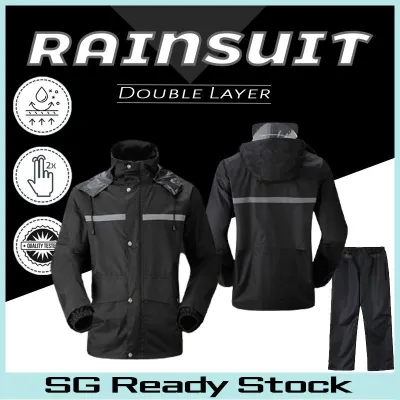
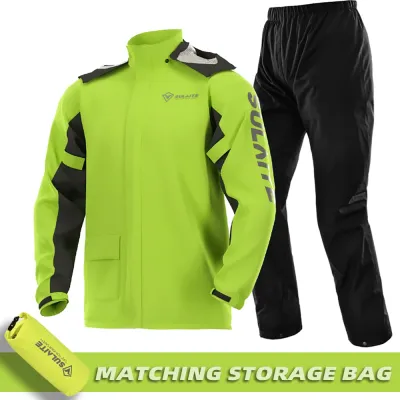
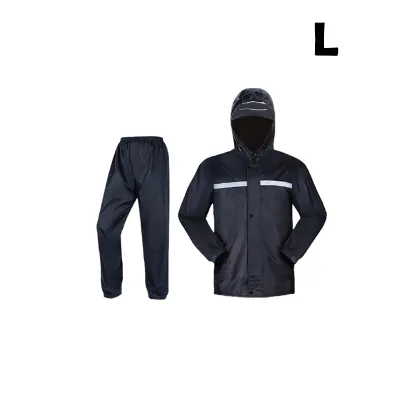
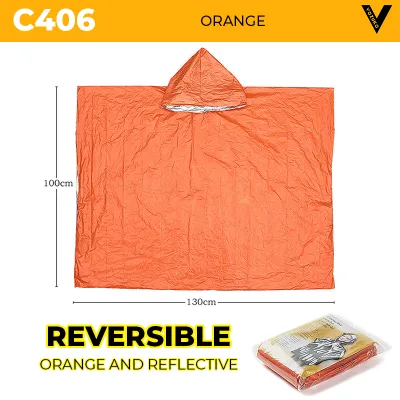

Prices are valid at publication and may change. Please refer to the product page for the latest price.
This issue is severely compounded by the ambient climate. In tropical regions, the relative humidity of the outdoor air is consistently high, often hovering between 80% and 100% during or after a rainstorm. Sweat cools the body through evaporation, a process that relies on a humidity differential; sweat evaporates more easily when the surrounding air is dry. When the air outside is already saturated with moisture, and the air inside your jacket is trapped, evaporation slows down or stops entirely. Your body continues to sweat in an attempt to cool down, leading to a rapid buildup of liquid moisture on your skin.
This phenomenon explains why many cyclists mistakenly believe their raincoat is leaking. There is a critical difference between external rain ingress and internal condensation. Rain ingress occurs when water forces its way through seams, zippers, or worn-out fabric. Internal condensation, however, happens when the warm, moisture-laden air from your body hits the cooler inner surface of the raincoat fabric, which is chilled by the falling rain outside. This temperature difference causes the water vapor inside to condense back into liquid droplets, coating the interior of your jacket and making you feel wet from the inside out.
Structural Designs That Improve Airflow
To combat the buildup of heat and condensation, mechanical ventilation is often the most effective tool available. Even advanced breathable fabrics cannot match the volume of air exchanged through physical openings in the garment. When choosing a bicycle raincoat, look for designs that incorporate strategic vents to promote active cross-ventilation while you ride.

Underarm zippers, commonly known as pit zips, are highly effective features for regulating temperature. The underarm area is a major heat-producing zone that remains relatively shielded from direct rainfall while you are holding the handlebars. Opening these zippers allows fresh air to enter and warm air to escape directly from your torso. Similarly, two-way front zippers allow you to unzip the jacket from the bottom up, increasing airflow around your midsection while keeping your chest and neck fully protected from oncoming rain.
Back vents and cape-style hems are also essential for cycling-specific rain gear. These designs feature overlapping fabric panels across the upper back that remain open at the bottom. Because of the forward-leaning posture of a cyclist, wind pressure from riding forces fresh air under the front of the jacket or through the collar, driving hot air out through the back vents. This design ensures continuous air circulation without allowing falling rain to enter, as the overlapping panels naturally shed water downward.
The overall cut of the raincoat also plays a significant role in airflow. A tight, form-fitting jacket restricts the volume of air inside, trapping a thin layer of hot, stagnant air directly against your skin. A slightly looser, relaxed fit with articulated sleeves allows air to circulate more freely and prevents the fabric from clinging to your damp skin. Additionally, a lightweight mesh lining inside the jacket is highly beneficial. The mesh creates a physical gap between your skin and the cold, wet inner surface of the waterproof membrane, preventing a clammy feel and helping to distribute moisture across a wider surface area for faster evaporation.
Fabric Technologies Suited for High Humidity
Beyond structural vents, the technology of the fabric itself determines how well a bicycle raincoat performs in tropical conditions. High-performance rainwear typically relies on either microporous membranes or hydrophilic coatings to manage moisture vapor. Understanding how these materials operate can help you make an informed choice when reading product labels.
Microporous membranes contain billions of microscopic pores per square inch. These pores are roughly 20,000 times smaller than a drop of liquid water, preventing rain from entering, but they are about 700 times larger than a molecule of water vapor, allowing sweat vapor to escape. Hydrophilic coatings, on the other hand, do not have physical pores; instead, they use water-loving molecular chains to absorb moisture from the inside and transport it to the outside. While hydrophilic coatings can be effective, they rely heavily on a temperature and humidity differential between the inside and outside of the jacket. In warm, highly humid environments, this differential is minimal, which often causes hydrophilic coatings to struggle compared to high-quality microporous membranes.
When evaluating different raincoats, look for breathability metrics on the product tags. Manufacturers often measure breathability using the Moisture Vapor Transmission Rate (MVTR), which indicates how many grams of water vapor can pass through a square meter of fabric in 24 hours (e.g., 15,000g/m²/24h). A higher MVTR indicates a more breathable fabric. Another common standard is the Resistance to Evaporative Heat Transfer (RET) rating. On the RET scale, a lower number represents less resistance to moisture escape, meaning a rating below 6 is highly breathable and suitable for high-exertion activities like cycling. Keep in mind that these ratings are tested under controlled laboratory conditions, so they should be used as relative indicators rather than absolute performance guarantees in real-world tropical downpours.
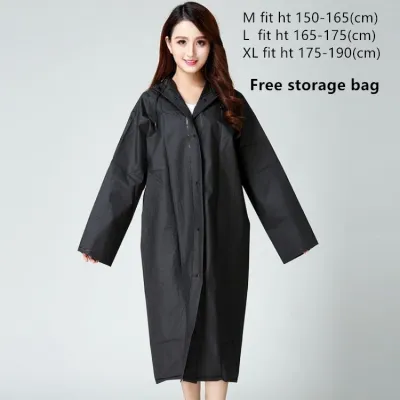
It is highly advisable to avoid cheap utility raincoats made of heavy polyvinyl chloride (PVC) or solid rubberized materials. While these materials are completely waterproof and highly durable, they offer zero breathability and lack any mechanical ventilation. Wearing a PVC raincoat while cycling will rapidly lead to severe overheating, making you just as wet from trapped sweat as you would have been from the rain.
How to Evaluate Your Current Raincoat
Before investing in new gear, it is worth evaluating your current bicycle raincoat to determine why it is failing to keep you comfortable. You can perform a few simple visual and tactile checks to diagnose whether the issue stems from material limitations, poor fit, or a degraded outer coating.
First, try to distinguish between actual leaks and internal condensation. After a rainy ride, inspect the damp areas on your clothing. If the wetness is concentrated directly under the seams, shoulders, or zipper lines, the waterproof barrier or seam tape may be failing, allowing rainwater to penetrate. However, if the dampness is spread evenly across your back, chest, and arms, the fabric is likely intact, and the issue is simply trapped sweat and condensation caused by poor breathability.
Next, assess how the jacket fits when you are actively riding. Put on your typical cycling gear, wear your helmet, and sit on your bicycle in your normal riding posture. If the fabric pulls tight across your shoulders, chest, or upper back, it limits the internal air volume and restricts your movement. This restriction forces your muscles to work harder, generating more body heat and sweat, while the lack of space prevents any meaningful air circulation.
Finally, observe how water behaves on the outer surface of the jacket during a rainstorm. A functional raincoat should cause water to bead up into distinct droplets and roll off easily. If the outer fabric absorbs water and turns a darker, saturated color, the garment is “wetting out.” When the face fabric becomes saturated with water, it creates a continuous liquid barrier over the breathable membrane. This barrier completely blocks the escape of internal water vapor, rendering even advanced breathable fabrics temporarily non-breathable and causing rapid condensation inside.
Maintenance Steps to Restore Breathability
If your raincoat is wetting out or feeling increasingly stuffy, proper maintenance can often restore its original performance. Many cyclists do not realize that breathable waterproof garments require regular cleaning to function correctly. Over time, body oils, sweat salts, dirt, and road grime accumulate on the fabric, clogging the microscopic pores of the membrane and stripping away the durable water repellent (DWR) coating on the exterior.
To clean your bicycle raincoat safely, always refer to the manufacturer’s care label for specific instructions. Use a specialized liquid technical wash designed specifically for waterproof outerwear rather than standard household laundry detergents. Standard detergents often contain perfumes, optical brighteners, and fabric softeners that leave behind hydrophilic residues, which attract water and cause the outer fabric to wet out faster. Wash the jacket on a gentle cycle with warm water, and run an extra rinse cycle to ensure all soap residue is completely removed.
Never use fabric softeners, bleach, or harsh stain removers, as these chemicals can permanently damage the delicate waterproof membrane and delaminate the fabric layers. After washing, the DWR coating on the outer fabric typically needs to be reactivated using gentle heat. Check the care label to see if the garment can be placed in a tumble dryer on a low, gentle cycle for 20 minutes, or ironed on a warm, steam-free setting with a protective towel placed between the iron and the jacket.
If water still fails to bead on the outer fabric after washing and heat activation, you can apply an aftermarket spray-on DWR treatment while the garment is damp, then dry it according to the instructions. However, if you notice the inner membrane peeling, flaking, or separating from the outer fabric—a condition known as delamination—the garment has suffered permanent structural damage. In this case, maintenance will not restore its breathability, and it is time to replace the raincoat.
Frequently Asked Questions (FAQ)
Is a poncho better than a fitted jacket for cycling in high humidity?
A cycling poncho offers exceptional passive ventilation because of its wide, open bottom hem and loose drape, which allows air to circulate freely from underneath as you ride. This makes it feel significantly cooler than a fully zipped jacket in humid conditions. However, ponchos carry notable safety risks for urban cycling. The loose, billowing fabric can easily flap in strong winds, obscure your front or rear bicycle lights, or get caught in the wheels or drivetrain. For fast commutes, heavy traffic, or windy conditions, a fitted bicycle raincoat with active mechanical vents (like pit zips and back flaps) is a much safer and more practical choice.
Can I use a standard hiking rain jacket for daily cycling in Singapore?
While a high-quality hiking rain jacket is breathable, it is designed for the lower-intensity, upright posture of walking rather than the high-output, forward-leaning exertion of cycling. Hiking jackets often lack the extensive mechanical venting needed to dump the rapid heat buildup generated by pedaling. Furthermore, the cut of a hiking jacket may not fit well on a bicycle; the sleeves may ride up your wrists, and the back hem may be too short, leaving your lower back exposed to rear-wheel spray. Cycling-specific raincoats are tailored with a dropped tail, longer sleeves, helmet-compatible hoods, and integrated reflective elements to ensure visibility and protection on the road.
Community discussion
Share your experience or ask a question. Comments are reviewed before publication.