
Using a pH neutral car shampoo is the most effective way to clean a vehicle without stripping away existing paint protection like carnauba wax, synthetic sealants, or ceramic coatings. Standard car soaps or household detergents often feature highly acidic or highly alkaline formulations designed to aggressively strip grease, but these harsh chemical profiles quickly degrade the thin protective barriers bonded to your car’s clear coat. By maintaining a balanced pH level of approximately 7.0, a dedicated maintenance shampoo safely lifts surface dirt and road grime while leaving the underlying protective layer completely intact.
In tropical climates like Singapore, where vehicles face intense heat, high humidity, and frequent rain, preserving these protective layers is essential to prevent premature oxidation and water spotting. Investing in high-quality paint protection only to wash it with an incompatible soap accelerates wear, forcing car owners to reapply waxes or seek professional coating correction far sooner than necessary. Understanding how soap chemistry interacts with your vehicle’s finish ensures your protective investment continues to perform as intended.
How Soap pH Levels Affect Wax and Ceramic Coatings
Surfactants are the active cleaning agents in car shampoos. They work by lowering the surface tension of water, allowing it to surround, loosen, and lift dirt particles from the paintwork. In a pH neutral formulation, these surfactants rely on physical lubrication and gentle chemical action to suspend road grime, dust, and light environmental fallout without chemically attacking the underlying surface.
Products mentioned in this guide
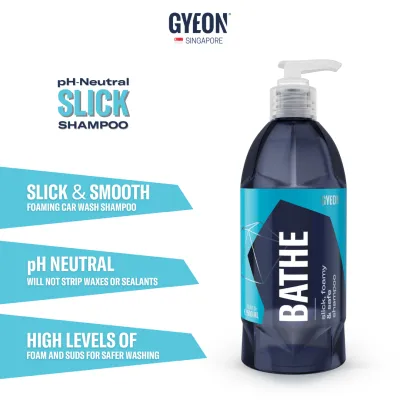

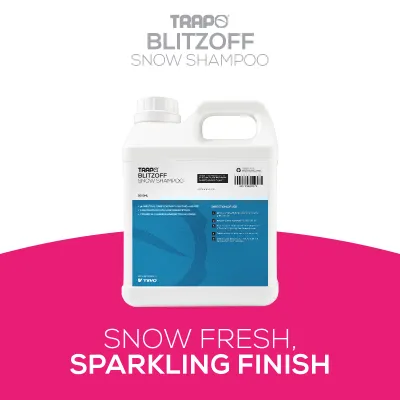
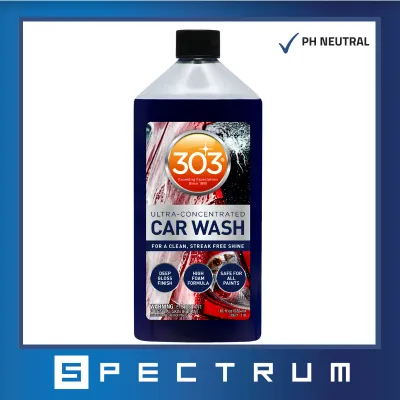
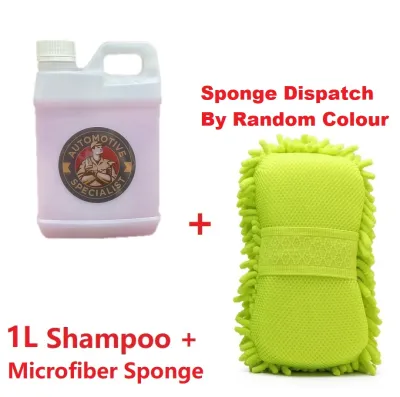
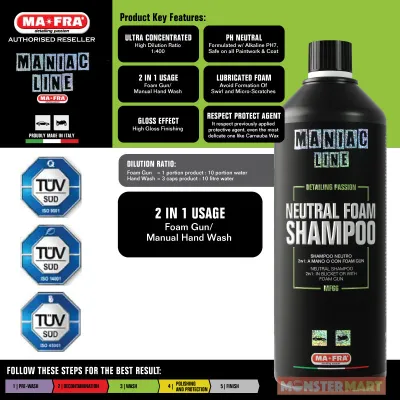
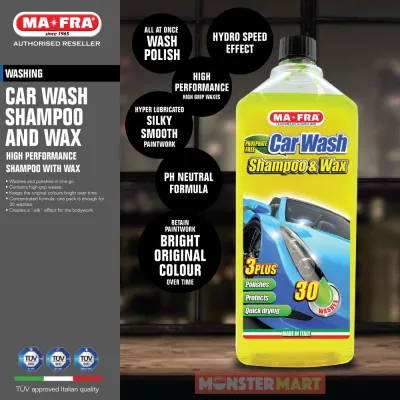
Prices are valid at publication and may change. Please refer to the product page for the latest price.
In contrast, highly alkaline cleaners (pH above 7) or acidic cleaners (pH below 7) rely on chemical aggression to dissolve organic matter, grease, or mineral deposits. While effective for heavy-duty decontamination, these harsh chemical environments break down the delicate organic bonds of natural carnauba waxes and synthetic polymer sealants. Even robust, inorganic silica-based (SiO2) ceramic coatings can suffer gradual degradation and accelerated wear when repeatedly exposed to strong alkaline pre-washes or acidic soaps.
You can observe the degradation of your protective layer through clear physical signs during the wash process. A healthy wax or ceramic coating exhibits strong hydrophobic behavior, causing water to bead into tight droplets or sheet off the vertical panels rapidly. If you notice water pooling flat on the surface or clinging to the paintwork immediately after rinsing, the soap has likely stripped the wax layer or temporarily masked the coating’s hydrophobic properties.
Using “wash and wax” combination shampoos on a ceramic-coated car can also cause unexpected performance issues. These dual-purpose products leave behind a thin layer of low-grade gloss agents or wax polymers designed to sit on bare paint. When applied over a high-performance ceramic coating, these wax residues can clog the microscopic structure of the coating, replacing its superior water-beading properties with the inferior hydrophobic performance of the shampoo’s wax additives.
How to Verify pH Neutral Claims on Car Shampoo Labels
Not all products labeled “neutral” are formulated equally, making careful label verification essential before application. Car owners should look beyond front-label marketing buzzwords and inspect the detailed instructions, safety warnings, and technical specifications provided by the manufacturer.

To verify a product’s true chemical profile, check the manufacturer’s official product documentation or Safety Data Sheet (SDS), which is often accessible online. The SDS lists the chemical composition and provides an exact pH value or range for the concentrated product. A true maintenance shampoo should register a pH value close to 7.0 in its concentrated form, ensuring it remains safe even if dilution ratios vary slightly.
It is also important to distinguish between a generic “pH neutral” claim and a formula explicitly marked as “safe for ceramic coatings” or “wax-safe.” Some shampoos are pH neutral in their diluted state but highly alkaline in their concentrated form, which can still pose a risk during mixing or if applied directly to stubborn spots. Look for clear instructions stating the product will not strip existing wax, sealants, or silica-based coatings.
Additionally, verify if the shampoo contains added gloss enhancers, silicones, or thickeners that might conflict with your specific protection type. For traditional carnauba waxes, a pure, additive-free pH neutral shampoo or one lightly infused with natural carnauba is generally suitable. For ceramic coatings, a pure, residue-free pH neutral shampoo is highly recommended to prevent foreign substances from masking the coating’s native self-cleaning properties.
When to Step Outside pH Neutral Maintenance Washes
While pH neutral shampoos are ideal for regular maintenance, specific scenarios require stronger chemical solutions. Heavy road film, accumulated traffic grime, baked-on bug splatter, and industrial fallout often bond tightly to the surface. In these instances, relying solely on a neutral soap can lead to excessive scrubbing, which risks scratching the paintwork.
A dedicated alkaline pre-wash or a specialized strip wash is necessary when preparing paintwork for a fresh application of wax, sealant, or a ceramic coating. These stronger formulas strip away old, degraded wax layers, oils, and polishing residues, ensuring the new protective layer bonds directly and securely to the clear coat.
However, avoid using household dish soaps or generic household degreasers as substitutes for automotive strip washes. Dish soaps are formulated to strip heavy cooking grease and contain harsh sodium salts, strong surfactants, and abrasive agents that can dry out plastic trim, degrade rubber seals, and leave a dulling film on the clear coat. Always use automotive-specific decontamination products chemically balanced for vehicle surfaces.
After performing a deep clean or decontamination wash, safely transition back to your regular pH neutral maintenance routine. Once heavy contaminants are removed and a fresh layer of protection is applied, resume using a pure pH neutral shampoo for subsequent weekly or bi-weekly washes. This disciplined cycle ensures your vehicle remains clean without subjecting the protective barrier to unnecessary chemical wear.
Washing Techniques That Protect Your Existing Coating
Using the correct shampoo is only half the battle; proper washing techniques are critical to prevent mechanical damage to your wax or ceramic coating. The primary goal is to minimize friction between the wash mitt and the paintwork.
Implementing the two-bucket method reduces the risk of wash-induced swirl marks. One bucket is filled with your diluted pH neutral shampoo solution, while the second contains clean water for rinsing the wash mitt. By rinsing the mitt in clean water and passing it over a grit guard before reloading it with soapy water, you prevent trapped dirt particles from being rubbed back onto the clear coat.
Alternatively, a foam cannon attached to a pressure washer applies a thick layer of pH neutral foam across the vehicle before touching the paint. This pre-wash foam encapsulates loose dirt, allowing it to slide off safely during the initial rinse and reducing abrasive debris on the paint during the hand-wash phase.
Rinsing and drying require careful attention, especially in warm, humid climates where water evaporates rapidly, leaving behind mineral deposits. Always wash the vehicle in the shade when panels are cool. Use a clean microfiber drying towel or a dedicated automotive air blower to remove water quickly, preventing water spotting on highly hydrophobic coatings.
If you observe persistent staining, etching from bird droppings, or a complete loss of water-beading performance even after a thorough decontamination wash, stop aggressive hand-washing. Attempting to scrub away deep stains can permanently damage the clear coat. At this stage, consult a professional detailing specialist to assess whether the coating requires machine polishing, spot correction, or professional reapplication.
Frequently Asked Questions (FAQ)
Can I use baby shampoo to wash my ceramic-coated car?
While baby shampoo is formulated to be gentle and has a relatively neutral pH, it is not suitable for washing a ceramic-coated vehicle. Baby shampoos often contain conditioning agents, oils, and fragrances designed to remain on skin and hair. When applied to an automotive surface, these additives leave behind a stubborn residue film that masks the hydrophobic properties of your ceramic coating, causing water to pool instead of bead. Always use a dedicated, residue-free automotive pH neutral shampoo to maintain the coating’s performance.
How often should I wash a waxed car with pH neutral shampoo?
You should wash a waxed car with a pH neutral shampoo every one to two weeks, or whenever you observe visible dirt accumulation, road film, or a slight reduction in water-beading performance. Regular maintenance washing prevents environmental contaminants, dust, and light road grime from bonding permanently to the delicate wax layer. By removing these contaminants early, you extend the lifespan of the wax and preserve the vehicle’s high-gloss finish.
Will a pH neutral shampoo remove bird droppings or tree sap?
A standard pH neutral shampoo is designed for safe maintenance and may not have the chemical strength to dissolve highly acidic bird droppings or sticky tree sap. Attempting to scrub these stubborn biological contaminants off with a neutral soap can scratch your paintwork. Instead, check product labels for a dedicated spot remover, bug-and-tar remover, or pre-wash spray designed to safely soften and dissolve organic contaminants before you begin the main wash process.

Community discussion
Share your experience or ask a question. Comments are reviewed before publication.