
Maintaining the pristine look and supple feel of your car’s leather interior requires more than just wiping away surface dust. When selecting a leather care product, such as those from Armor All or other leading automotive care brands, understanding the chemical relationship between the cleaner and your seats is paramount. The pH balance of a cleaner determines how safely it interacts with the protective coatings applied to modern automotive leather. Using a product with an incompatible chemical profile can strip away essential moisture, degrade protective topcoats, and lead to irreversible structural damage over time. By focusing on pH compatibility, you ensure that your cleaning routine preserves the longevity, texture, and appearance of your vehicle’s cabin.
How pH Levels Affect Automotive Leather Health
Automotive leather is a highly engineered material designed to withstand friction, temperature fluctuations, and exposure to sunlight. Unlike raw hide or delicate apparel leather, modern car seats are typically finished with a thin, protective polyurethane or acrylic topcoat. This topcoat acts as a barrier against spills, dirt, and physical wear. When you apply a cleaner, the chemical solution interacts directly with this synthetic topcoat rather than the organic fibers underneath. Therefore, maintaining chemical compatibility is essential to prevent the breakdown of this protective layer.
The concept of pH measures how acidic or alkaline a water-based solution is. In automotive detailing, using a cleaner that deviates too far from a neutral state can have severe consequences. Highly alkaline cleaners are highly effective at breaking down grease and heavy oils, but they can also aggressively attack the polyurethane topcoat. Conversely, highly acidic solutions can weaken the underlying leather fibers if they penetrate the surface. A chemical mismatch often manifests as observable physical damage. You might notice premature drying, a loss of flexibility, localized discoloration, or even peeling and cracking of the topcoat.
Products mentioned in this guide
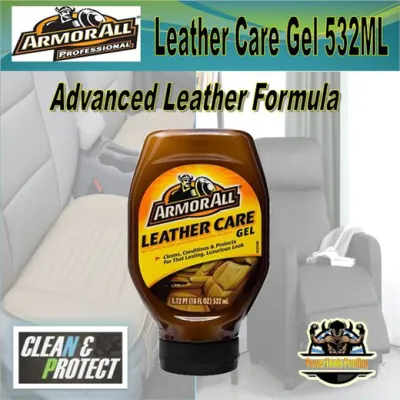
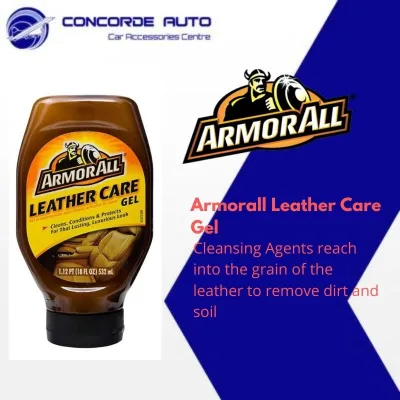
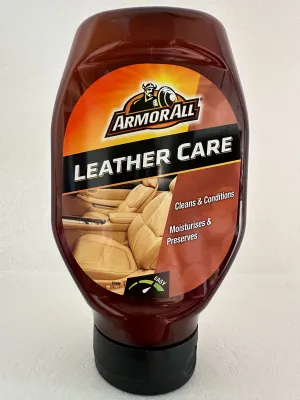
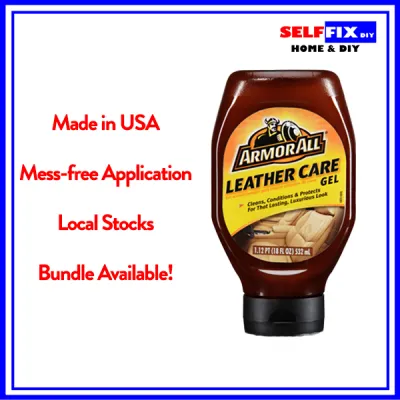
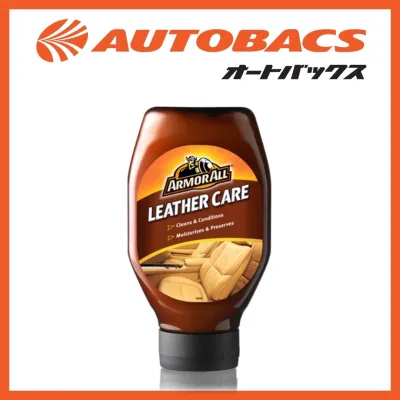
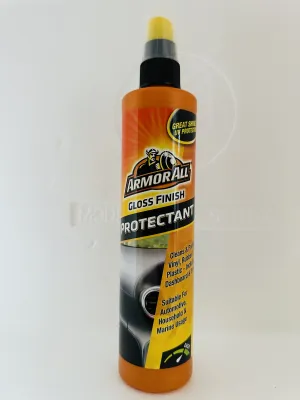
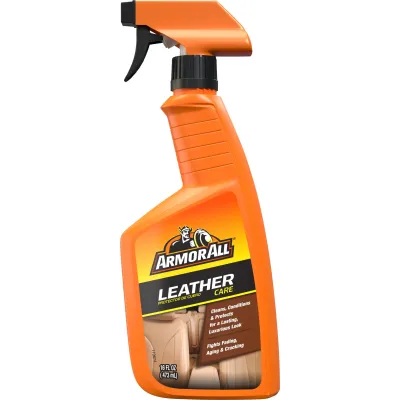
Prices are valid at publication and may change. Please refer to the product page for the latest price.
Because every vehicle manufacturer utilizes different sourcing and finishing processes for their interiors, there is no universal rule for every car seat. Before purchasing or applying any chemical treatment, it is vital to consult your vehicle owner’s manual or contact the manufacturer for specific care guidelines. Some luxury vehicles feature delicate, uncoated aniline leather or specialized synthetic blends that require highly specific maintenance protocols. Understanding what is on your seats is the first step toward choosing a safe cleaning agent.
Evaluating pH Claims on Leather Cleaner Labels
When browsing the aisles of an automotive shop or searching an online marketplace, you will frequently encounter terms like “pH balanced” or “pH neutral” on product labels. While these phrases are common in marketing, it is important to understand what they actually signify. A “pH neutral” label generally indicates that the formula has a chemical balance close to pure water, making it gentle on sensitive surfaces. “pH balanced,” on the other hand, means the product has been formulated to match the natural, slightly acidic pH range of finished leather. However, these terms alone should not be taken as an absolute guarantee of safety.

To ensure a product is safe for your specific vehicle, look beyond the primary marketing claims. Verify that the label explicitly states the formula is designed for “automotive leather” or “coated leather.” Automotive formulations are specifically engineered to preserve the flexible topcoats used by car manufacturers, whereas household leather cleaners or apparel treatments may contain oils or solvents that can damage automotive finishes. Additionally, check the packaging for explicit warnings regarding sensitive materials. Materials like Alcantara, suede, or uncoated aniline leather require specialized dry-cleaning or solvent-free methods and will be ruined by standard liquid leather cleaners.
If the physical label on a bottle of cleaner lacks detailed material compatibility information, do not guess. You can easily access the manufacturer’s official website or search for the product’s Safety Data Sheet (SDS) online. The SDS provides detailed chemical breakdowns and safety profiles that can help you verify if the product contains harsh solvents, alcohols, or heavy surfactants that could compromise your car’s interior. Taking a few minutes to verify these specifications online prevents costly mistakes.
Matching the Cleaner to Your Leather Type and Condition
Selecting the right leather cleaner also depends heavily on the current state of your vehicle’s interior and how the car is used. A daily commuter car parked outdoors in a hot, humid climate faces different environmental stressors than a lightly used show car kept in a climate-controlled garage. For routine maintenance of clean or lightly soiled seats, a mild, pH-neutral cleaner is highly appropriate. It gently lifts surface dust and body oils without putting unnecessary chemical stress on the protective topcoat.
However, if your leather is already showing signs of aging, the decision framework changes. High-risk conditions such as deep cracks, fading, or localized peeling indicate that the protective topcoat has already failed or worn away. In these areas, applying any liquid cleaner can allow the chemical solution to penetrate directly into the raw leather hide underneath. This can cause the leather to swell, warp, or rot from within. If your seats exhibit these signs of advanced wear, DIY cleaning products should be avoided. Instead, seek professional automotive detailing or leather restoration services to repair the protective barrier before attempting further maintenance.
Another critical factor is the role of conditioning. Some commercial products combine cleaning and conditioning agents into a single step, while others require a separate conditioner. If you choose a multi-purpose product, verify that the conditioning agents are compatible with coated leather. Coated leather cannot absorb heavy oils or waxes; instead, these substances will sit on top of the polyurethane layer, attracting dust and creating a greasy, slippery surface. For most modern vehicles, a separate, water-based protectant designed to maintain the topcoat’s flexibility is the safest approach.
Safe Application and Observation Steps
Even when using a high-quality, pH-balanced cleaner, proper application technique is essential to prevent accidental damage. Before applying any product to the entire seat, always perform a spot test in an inconspicuous area, such as the lower side of the seat cushion or behind the headrest. Apply a small amount of the cleaner, gently work it into the surface, and let it sit for the recommended time on the label. Wipe it clean and observe the area over the next twenty-four hours. Look closely for any changes in color, texture, or gloss level before proceeding to the rest of the interior.
When you are ready to clean the entire cabin, use the correct tools to minimize mechanical wear. Avoid stiff plastic brushes or abrasive sponges, which can scratch and wear down the polyurethane topcoat. Instead, opt for clean, high-color-contrast microfiber towels or soft-bristled detailing brushes designed specifically for leather. Apply the cleaner to the towel or brush rather than spraying it directly onto the seat. This prevents the liquid from pooling in the seams, perforations, or stitching, where excess moisture can accumulate and damage the underlying foam padding.
After cleaning, conduct a thorough visual and tactile inspection of the treated surfaces. The leather should feel clean, dry, and smooth, with a natural matte or satin finish. If you notice a sticky residue, a sudden increase in gloss, or a change in the surface texture, these are signs that the product has not been fully removed or is incompatible with the coating. Define clear stop conditions for your cleaning process: if you observe any color transfer onto your microfiber towel, or if the leather surface begins to feel tacky or show signs of peeling, stop immediately. Wipe the area with a damp, clean microfiber cloth to neutralize the surface, and consult a professional detailer.
Frequently Asked Questions (FAQ)
Can I use household leather cleaners on my car seats?
No, household leather cleaners are generally not suitable for automotive seats. Household furniture and apparel often feature uncoated, aniline, or oil-tanned leathers that require specific oils to remain supple. Automotive leather, conversely, is sealed with a durable polyurethane or acrylic topcoat designed to resist UV rays, extreme cabin heat, and heavy friction. Household cleaners may contain ingredients that strip this specialized automotive topcoat, leading to rapid cracking and fading. Always use products explicitly formulated and labeled for automotive interiors to protect your vehicle’s materials and maintain any active cabin warranties.
How often should I clean my automotive leather?
The ideal cleaning frequency depends on your driving habits, climate, and how often the vehicle is exposed to dirt and sweat. For a daily driver in a warm, humid environment, a light wipe-down with a damp microfiber cloth every two weeks is excellent for removing abrasive dust and body oils. A deeper clean with a dedicated pH-balanced automotive leather cleaner should typically be performed every three to six months. Avoid over-cleaning with chemical solutions, as excessive washing can wear down the protective topcoat prematurely, even when using gentle, pH-neutral products.
Community discussion
Share your experience or ask a question. Comments are reviewed before publication.