
Starting a new journey as a Grab driver in Singapore involves managing many moving parts, from navigating peak-hour traffic on the Central Expressway (CTE) to optimizing your route for maximum efficiency. Amidst the hustle of tracking fares and managing passenger requests, one critical element often gets overlooked: staying hydrated. New drivers quickly realize that keeping a reliable water bottle in the cabin is not just a matter of comfort, but a necessity for maintaining focus and energy during long shifts.
In recent months, a specific brand of insulated drinkware has become a common sight in the center consoles of private-hire vehicles across the island. Owala water bottles, known for their distinctive lid designs and thermal performance, have transitioned from trendy lifestyle accessories to practical tools for rideshare drivers. Understanding why these bottles are favored by seasoned and new drivers alike can help you make an informed decision for your own daily driving setup.
The Daily Hydration Challenges for New Ride-Hailing Drivers
Operating a vehicle for eight to twelve hours a day in Singapore presents unique physiological challenges. The outdoor climate is characterized by high temperatures and intense humidity, but the interior of a private-hire car is a closed, air-conditioned environment. This constant exposure to air conditioning strips moisture from the air, leading to rapid, often unnoticed dehydration. Drivers frequently experience dry throat, fatigue, and a decline in concentration, which can directly affect driving safety and customer service ratings.
Products mentioned in this guide
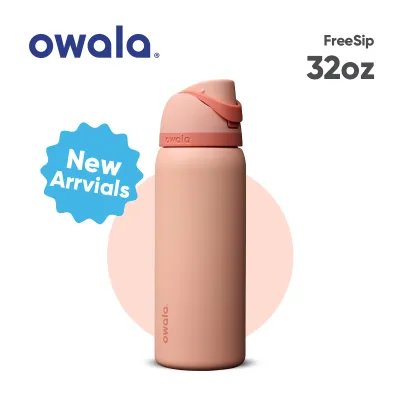
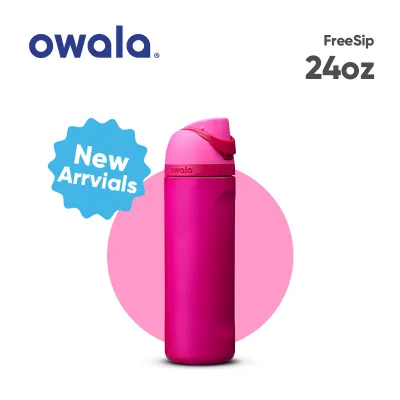
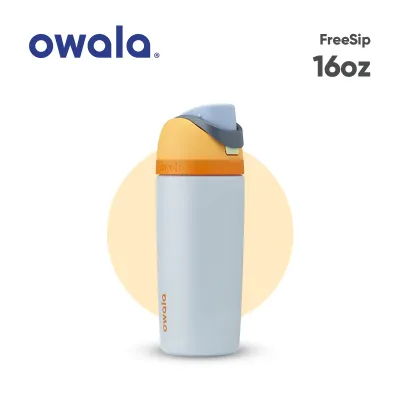
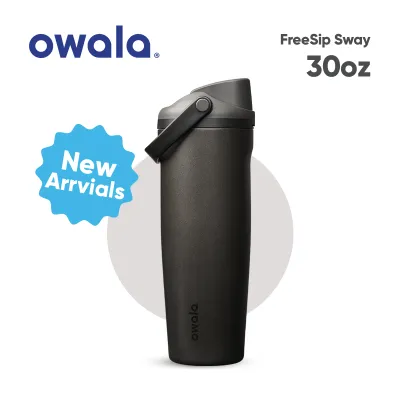
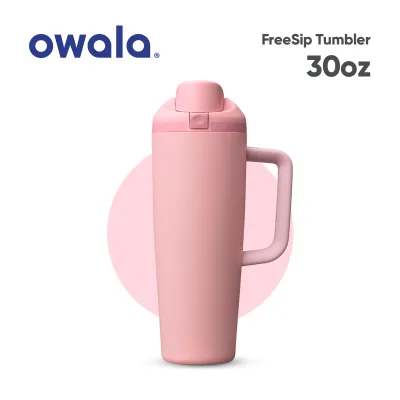
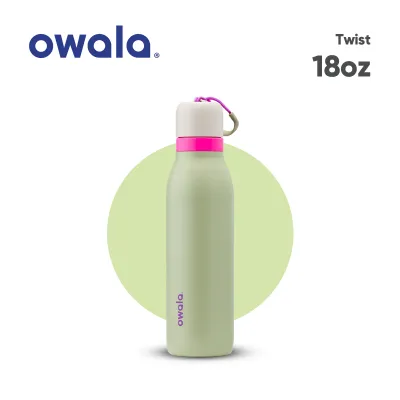
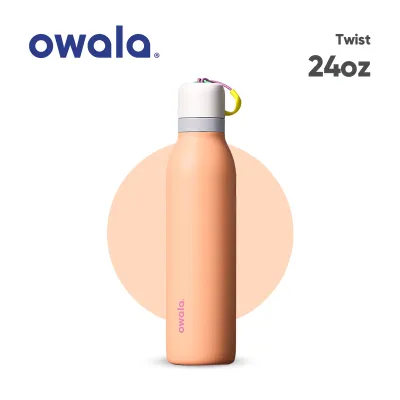
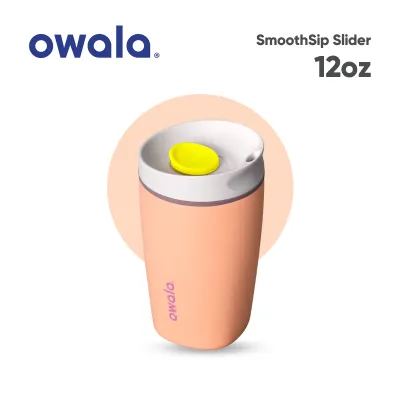
Prices are valid at publication and may change. Please refer to the product page for the latest price.
For a Grab driver, addressing this dehydration is not as simple as taking a quick drink break. The financial structure of ride-hailing rewards continuous availability, especially during high-demand peak hours when surge pricing is active. Stopping at a petrol station or a convenience store to purchase a cold drink requires logging off the driver app, finding a legal parking spot, and spending money that eats into daily earnings. Consequently, many drivers tend to delay drinking water, which compounds physical fatigue over a long shift.
Furthermore, using standard, non-insulated plastic bottles or poorly designed travel mugs introduces several logistical headaches inside a moving vehicle. Cheap plastic bottles sweat profusely in Singapore’s humid air, leaving rings of water in the cupholder and making the bottle slippery to hold. Standard screw-top bottles require two hands to open, which is a significant safety hazard while navigating busy roads. If a bottle is dropped or tips over on the passenger seat, a sudden spill can stain the upholstery or damage electronic accessories, leading to costly cleaning fees and vehicle downtime.
Why Owala Bottles Fit the Grab Driver Lifestyle
The growing preference for Owala bottles among Singapore’s ride-hailing community stems from specific design features that directly solve these in-car challenges. At the core of this appeal is the brand’s signature lid design, which typically features a dual-function spout. This mechanism allows drivers to choose between sipping through a built-in straw or swigging from a wider opening. For a driver, the straw option is highly practical because it allows for quick hydration without needing to tilt the head back, ensuring that your eyes remain fully focused on the road ahead.

Safety and convenience are further enhanced by the one-handed operation of these bottles. Most models feature a push-button lid that pops open with a single press, allowing you to take a quick drink while stopped at a red light or during a smooth stretch of road. The lid also includes a secure locking latch that prevents accidental openings. When the latch is engaged, the bottle remains leakproof, meaning you can safely toss it onto the front passenger seat or keep it in a door pocket without worrying about water leaking onto your passenger’s belongings or your vehicle’s carpet.
Thermal insulation is another critical factor for drivers spending long hours on the road. High-quality insulated bottles utilize double-wall vacuum insulation to keep beverages cold for extended periods. In Singapore’s climate, a bottle filled with ice and water in the morning can remain cold well into the evening shift, providing refreshing relief during hot afternoons. However, because product specifications can vary across different models and production runs, drivers should always verify the insulation capabilities and leakproof ratings on the product label or manufacturer specifications before making a purchase.
How to Choose the Right Owala Size and Model for Your Shifts
Selecting the appropriate bottle size requires balancing your daily hydration needs with the physical constraints of your vehicle’s cabin. Owala bottles are available in several capacities, typically ranging from smaller 19-ounce and 24-ounce models to larger 32-ounce and 40-ounce options. While a larger bottle reduces the need for frequent refills during a long shift, it also adds significant weight and occupies more space in the front console area.
Before purchasing a bottle, it is essential to measure the diameter of your vehicle’s center console cupholders. Private-hire vehicles commonly used in Singapore, such as the Toyota Prius, Honda Vezel, BYD e6, or Hyundai Avante, have varying cupholder dimensions. Many larger insulated bottles (such as the 32-ounce or 40-ounce sizes) have wider bases that may not fit into standard car cupholders. If a bottle is too wide, you may be forced to place it on the passenger seat or floor, which increases the risk of it rolling around or becoming a distraction. Generally, the 24-ounce model is widely favored because its slimmer profile fits securely in most standard automotive cupholders.
Consider the trade-offs between weight and refill frequency based on your typical driving schedule. Part-time drivers who only operate during morning or evening peak hours may find a smaller, lighter bottle perfectly adequate. Full-time drivers who spend ten or more hours on the road will benefit from a larger capacity, but must ensure they have a secure mounting option or a cupholder expander accessory to hold the wider base safely.
Additionally, evaluate the lid styles and carrying options. Some models come with an integrated carry loop that doubles as a lock for the lid, while others have fixed handles. If you frequently carry your bottle to and from your home, a sturdy loop is highly convenient. If the bottle remains permanently in the car during your shift, a low-profile lid that does not interfere with your vehicle’s gear shift or dashboard controls is the more practical choice.
Practical Tips for Using and Maintaining Your Bottle in the Car
To maximize the utility of your insulated bottle and ensure a safe driving environment, establishing a few simple routines is highly beneficial. The most critical safety rule is to ensure the bottle is always secured in a designated cupholder or door pocket while the vehicle is in motion. Never leave a heavy, metal water bottle loose on the passenger seat, dashboard, or floorboards. In the event of sudden braking or a collision, a loose bottle can become a dangerous projectile or, worse, roll under the driver’s feet and block the brake or accelerator pedals.
Maintaining cleanliness is vital, especially in Singapore’s warm and humid climate, which accelerates the growth of bacteria and mold. The intricate parts of a dual-spout lid, including the silicone seals and the straw, require regular attention. It is recommended to perform a quick rinse daily and a thorough cleaning at least once a week. Using a dedicated straw cleaning brush allows you to reach the interior of the straw and the small crevices within the lid mechanism.
Be mindful of where you park your vehicle. While insulated bottles are designed to keep liquids cold, leaving a bottle inside a car parked in direct sunlight can cause the exterior surface to become extremely hot to the touch. Over time, extreme cabin heat can also degrade the silicone seals and plastic components of the lid. Whenever possible, store your bottle in a shaded part of the cabin, such as a lower door pocket, when parking your car under the sun.
Finally, always consult the manufacturer’s care instructions regarding dishwasher safety and temperature limits. While many stainless steel bottle bodies are durable, certain powder-coated finishes or plastic lids may require hand washing to preserve their appearance and seal integrity over the long term.
Frequently Asked Questions (FAQ)
Can I put hot coffee in an insulated Owala bottle for my morning shift?
While insulated stainless steel bottles are highly effective at retaining temperature, using them for hot liquids requires caution. Many models featuring built-in straws or dual-spout lids are specifically designed for cold beverages only. Pouring hot liquids into a bottle with a straw lid can cause pressure to build up inside, leading to hot liquid spraying out unexpectedly when the lid is opened, which poses a significant burn risk. Always check the manufacturer’s temperature ratings and safety warnings for your specific model before using it for hot coffee or tea.
How do I clean the straw lid effectively between shifts?
To keep your lid hygienic and free from odors, regular disassembly is key. Remove the straw and the silicone gaskets from the lid according to the manufacturer’s instructions. Wash these components using warm, soapy water and a small, flexible straw brush to clean the internal pathways. Allow all parts to air dry completely in a well-ventilated area before reassembling them, as trapping moisture inside the seals can lead to mold growth.
Community discussion
Share your experience or ask a question. Comments are reviewed before publication.